When the name is the problem
Rename when the name says something untrue about the business. Keep it when the problem is how it looks or how it's organised. Real cases, both ways.
Rename your business when the name says something untrue about it, or blocks where it's going, and no amount of design can fix that. Keep the name when the real problem is how the business looks, how it's organised or how its story is told. One test settles most cases: does the name describe what the business does now, in the words its buyers already use?
We've worked on both sides of that line. Two of the clients below changed their names, and a third was named from scratch. Two kept theirs, and the work went elsewhere.
Is it the name, or the brand?
The name is usually the problem when it does one of three things:
- It lists products when you sell expertise. A supplier's name keeps calling you a supplier.
- It describes one thing when you now do several. A name that was right for the first product boxes in everything after it.
- It says nothing your buyers care about. It is fine in the office and means nothing to the people who hire you.
The name is usually not the problem when people already know it and trust it, and what's wrong is the identity, the website or the structure around it. A new name there costs a great deal and fixes nothing.
Rename: when the name sells the wrong thing
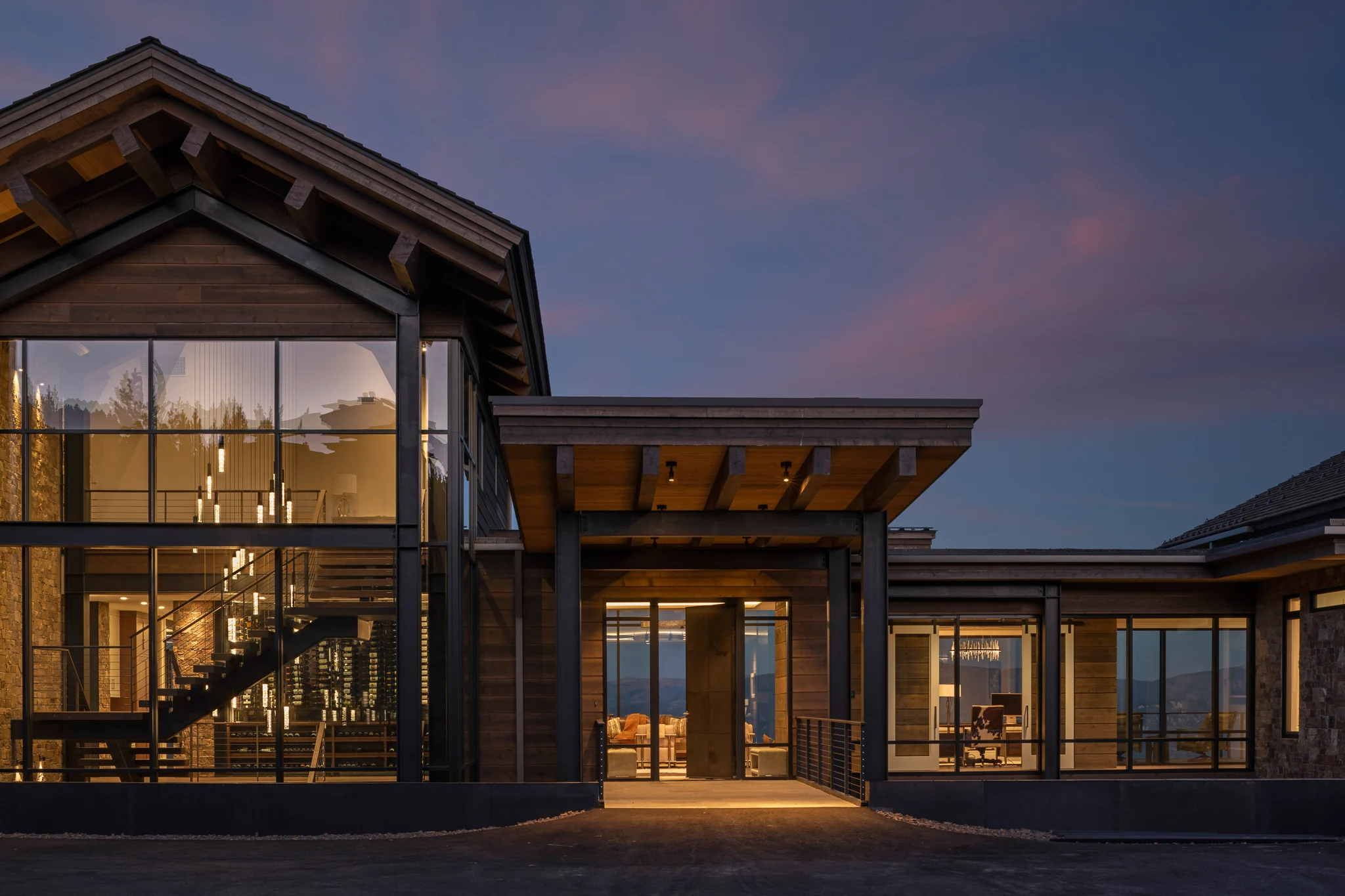
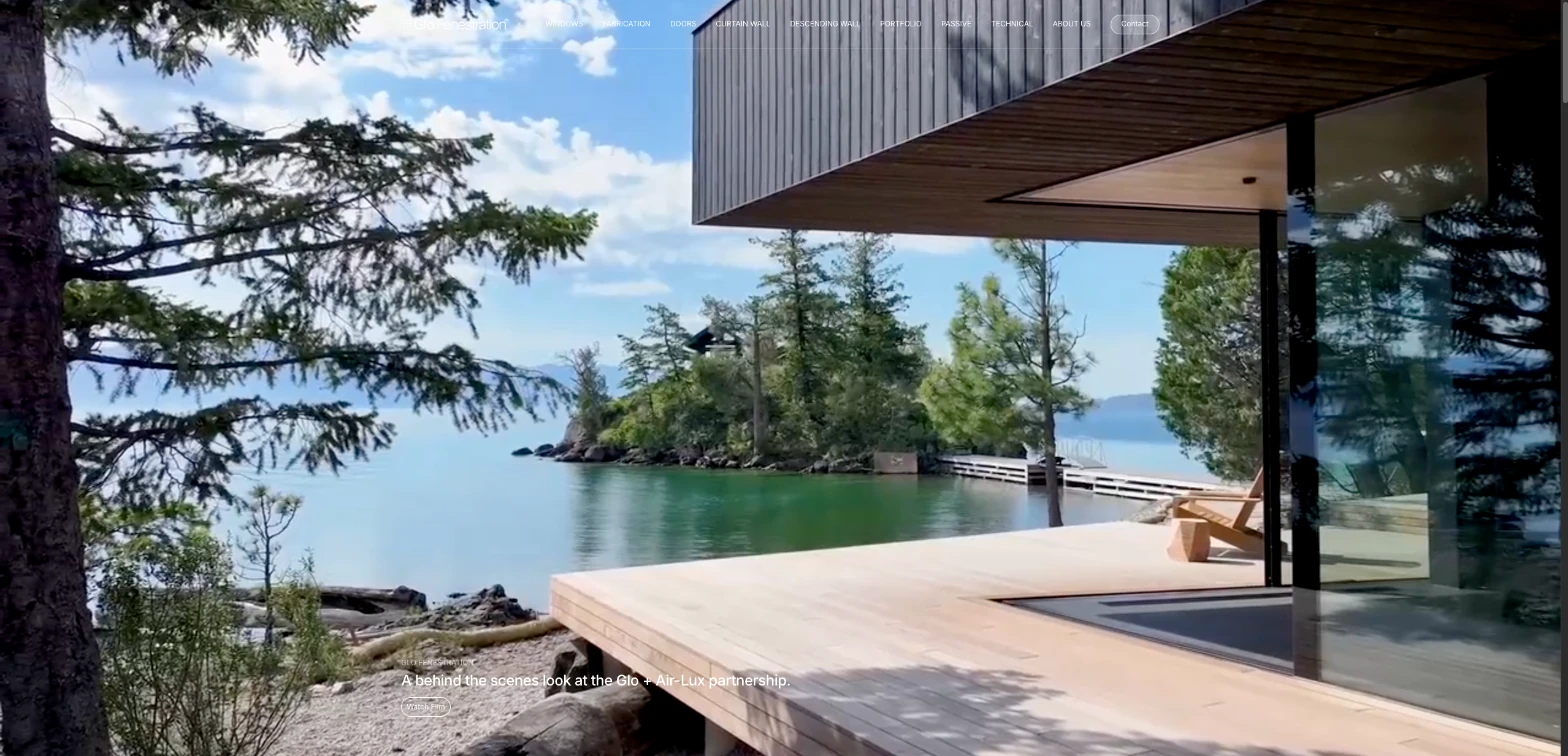
Glo designs and fabricates European window and door systems for high-end homes across the American West, from Yellowstone Club to Sun Valley and Telluride. Its clients are architects and builders. Its name, Glo Windows & Doors, described a product. The work was closer to a design studio's.
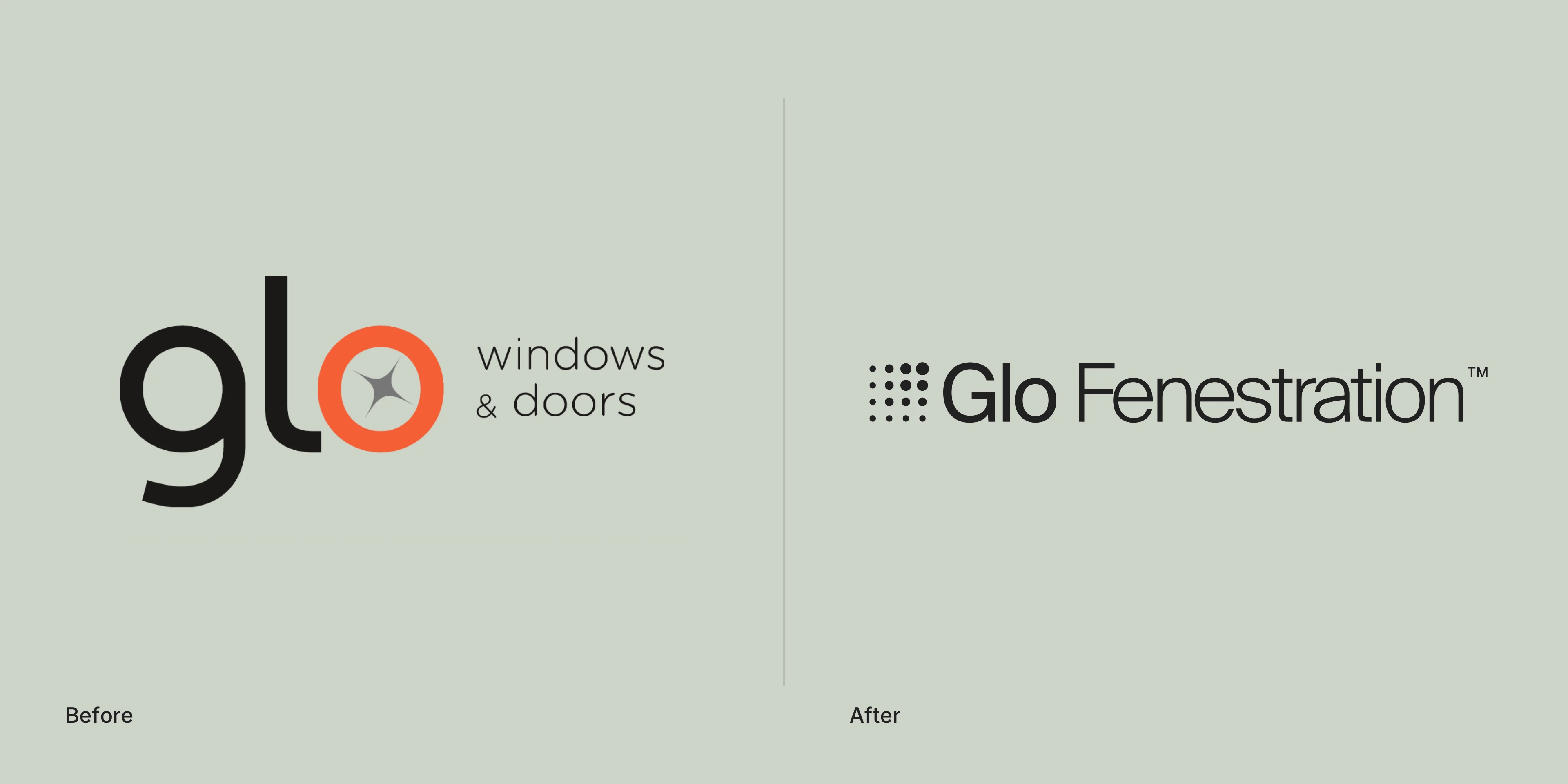
With Expedition Studios, we renamed it Glo Fenestration. Fenestration is the architect's word for the design and placement of every opening in a building, which is the work Glo does. The name speaks the language of the people who hire it, and gives the business room to grow into a studio.
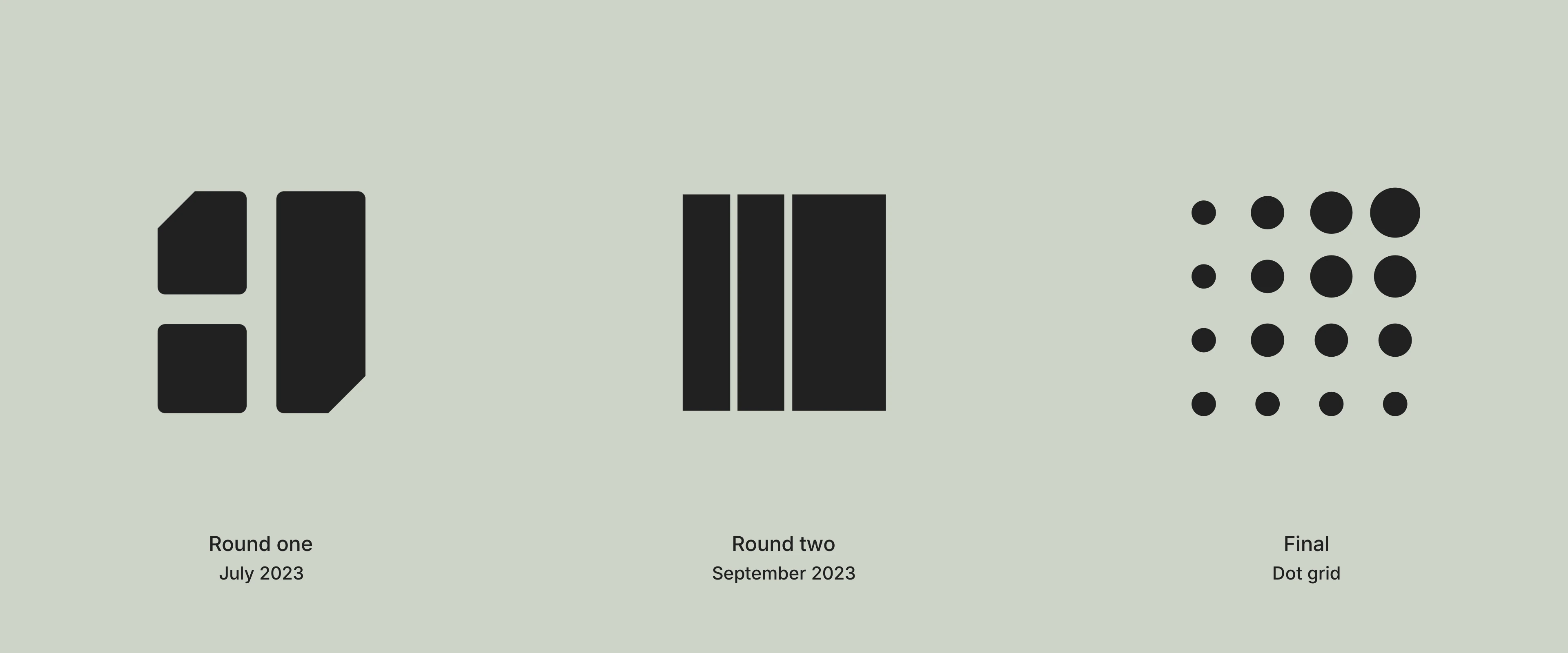
The identity work came after, and it had something true to draw: six routes, 118 marks from logo designer Shane Cody, three rounds and a final mark of sixteen dots on the architect's grid.
Rename: when the business outgrows the name
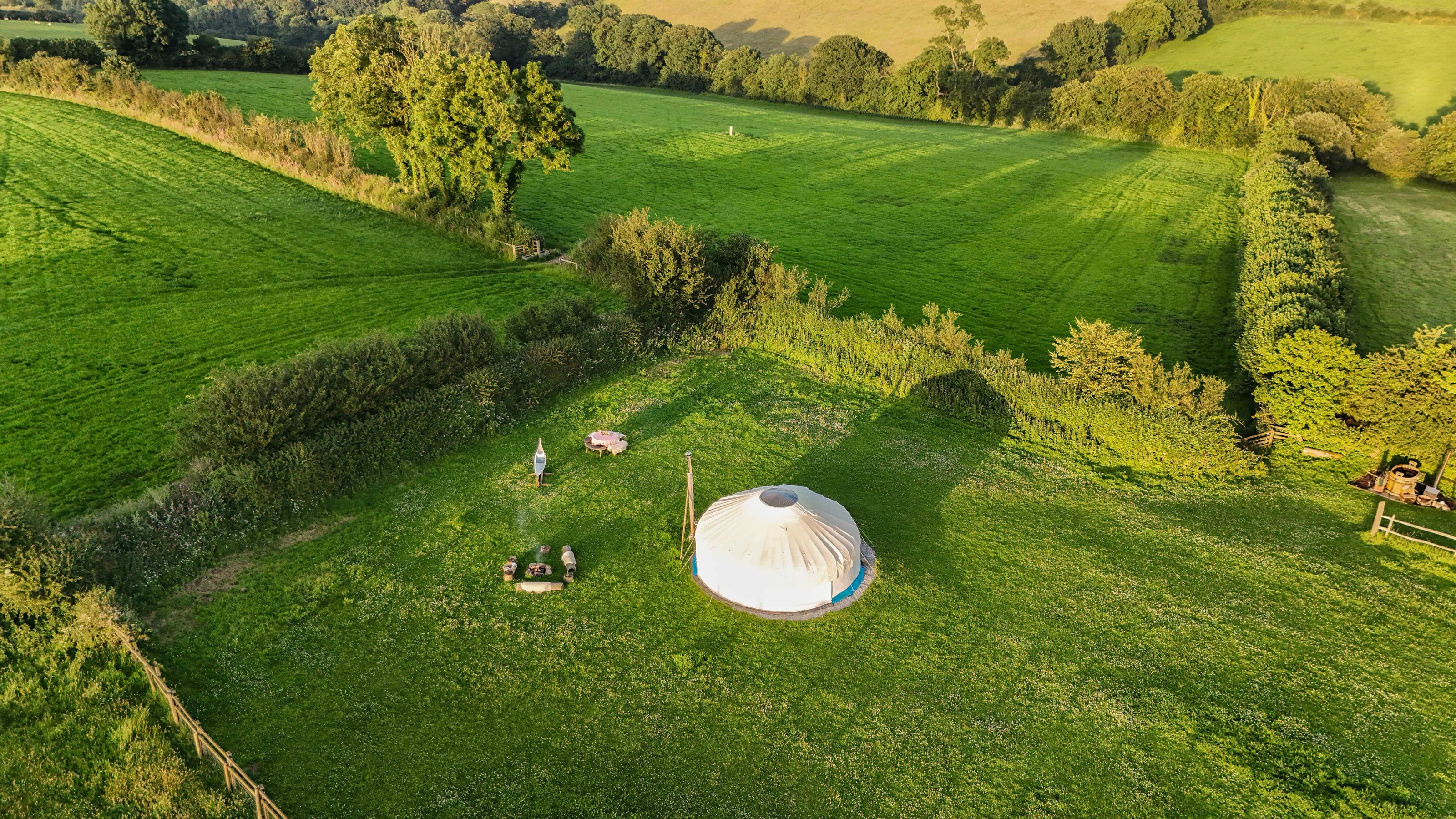
Borough Farm used to be Devon Yurt. The name was accurate when the business was a yurt. By 2026 it meant four converted barns, a yurt, a sauna and whole-farm gatherings on an 18-acre organic farm near Lifton, on the edge of Dartmoor.
We proposed the new name and worked it through with the owner. It is the place itself, and the place is what all those stays have in common. The site now leads with "Stay close to the land", and each stay keeps its own name: The Yard, The Shippon, The Dairy, The Granary and Great Links, the yurt. A place name leaves room for whatever the farm adds next.
Keep it: when the name is trusted and the brand isn't
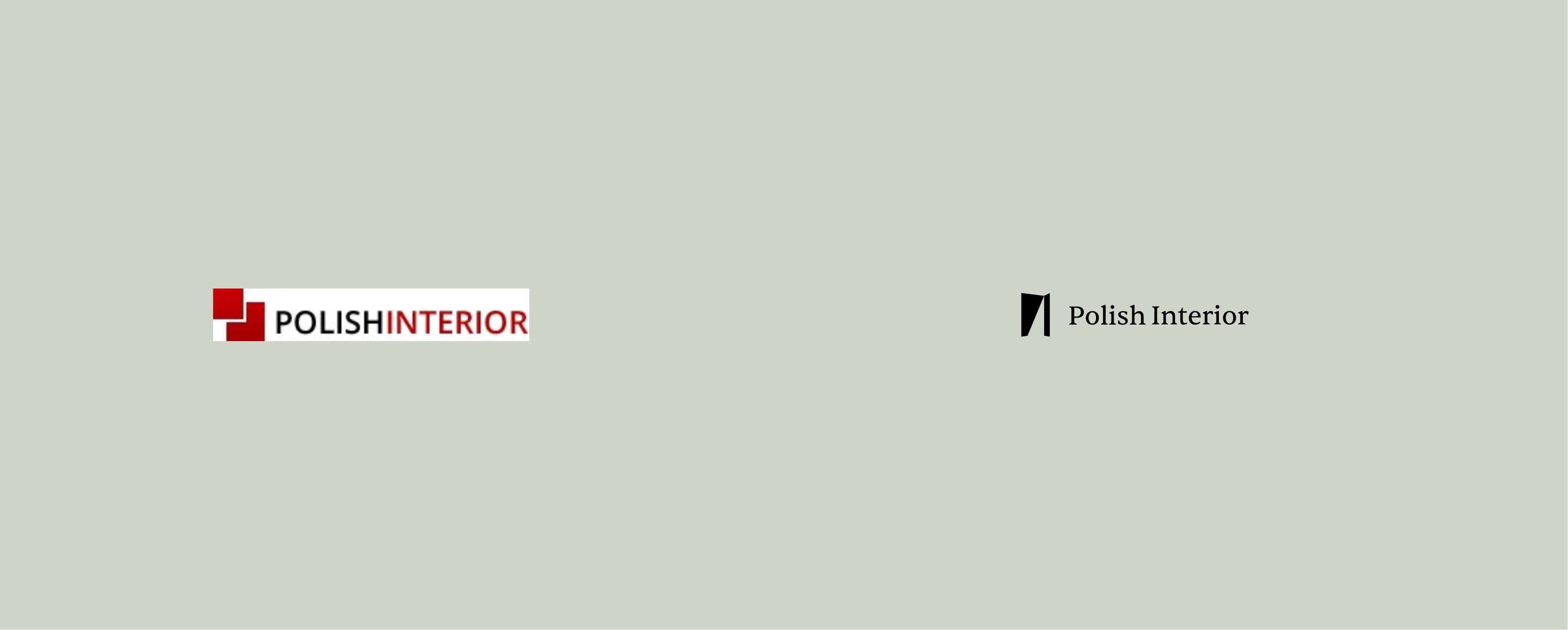
Polish Interior makes slim-framed steel doors and windows in its Kraków workshop for clients across the UK. Its identity was traditional and its website out of date. The name wasn't the problem: it was known, and the people closest to the business had long called it "PI".
So the brief was evolution rather than a restart. The new mark keeps what people already knew, the square icon and the single-line name, and makes them architectural. It carries "PI" inside it. The name now runs in two languages, Polish Interior and Polskie Wnętrze. The site moved to polishinterior.com in September 2025.
Keep it: when the fix is structure
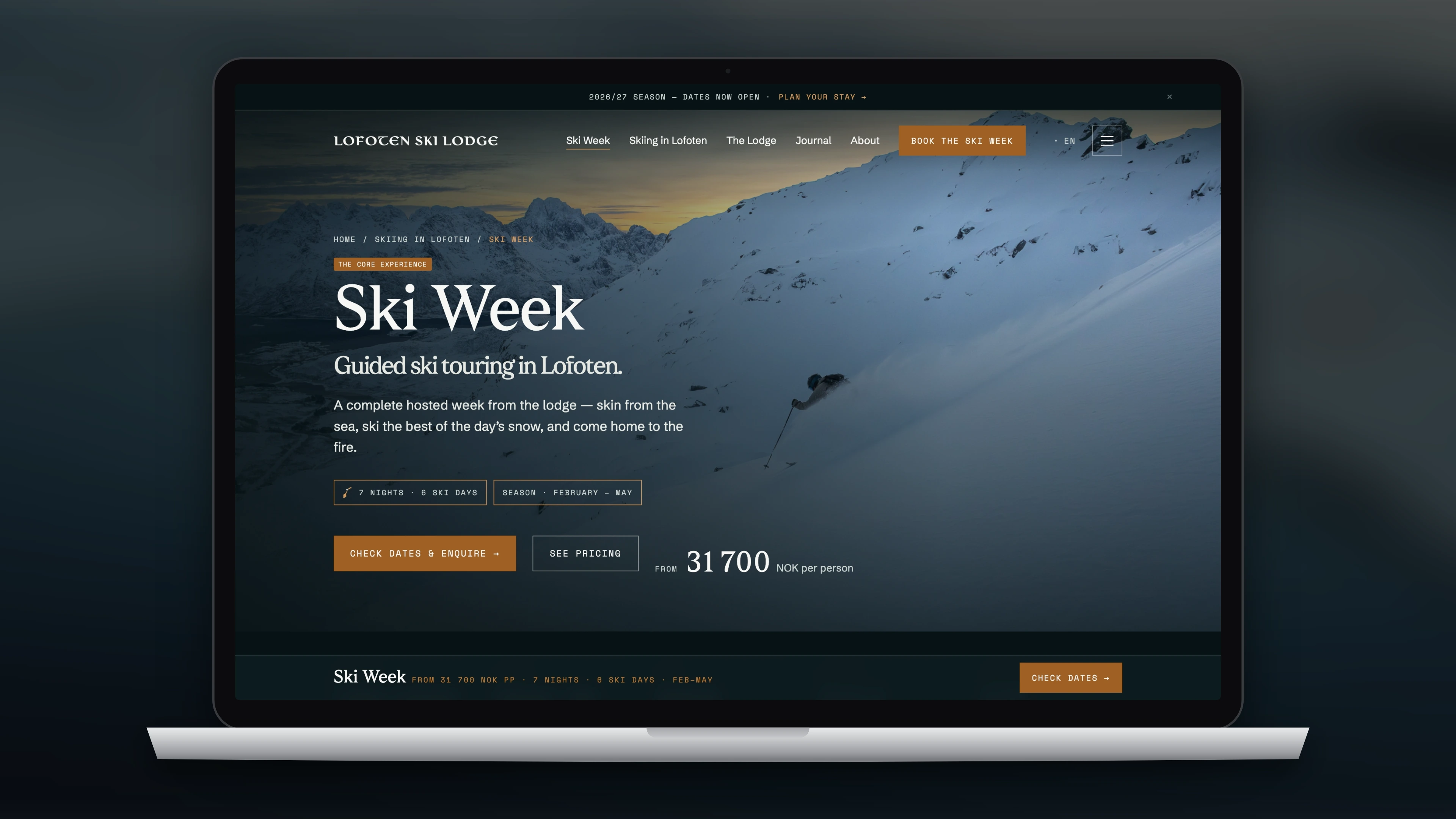
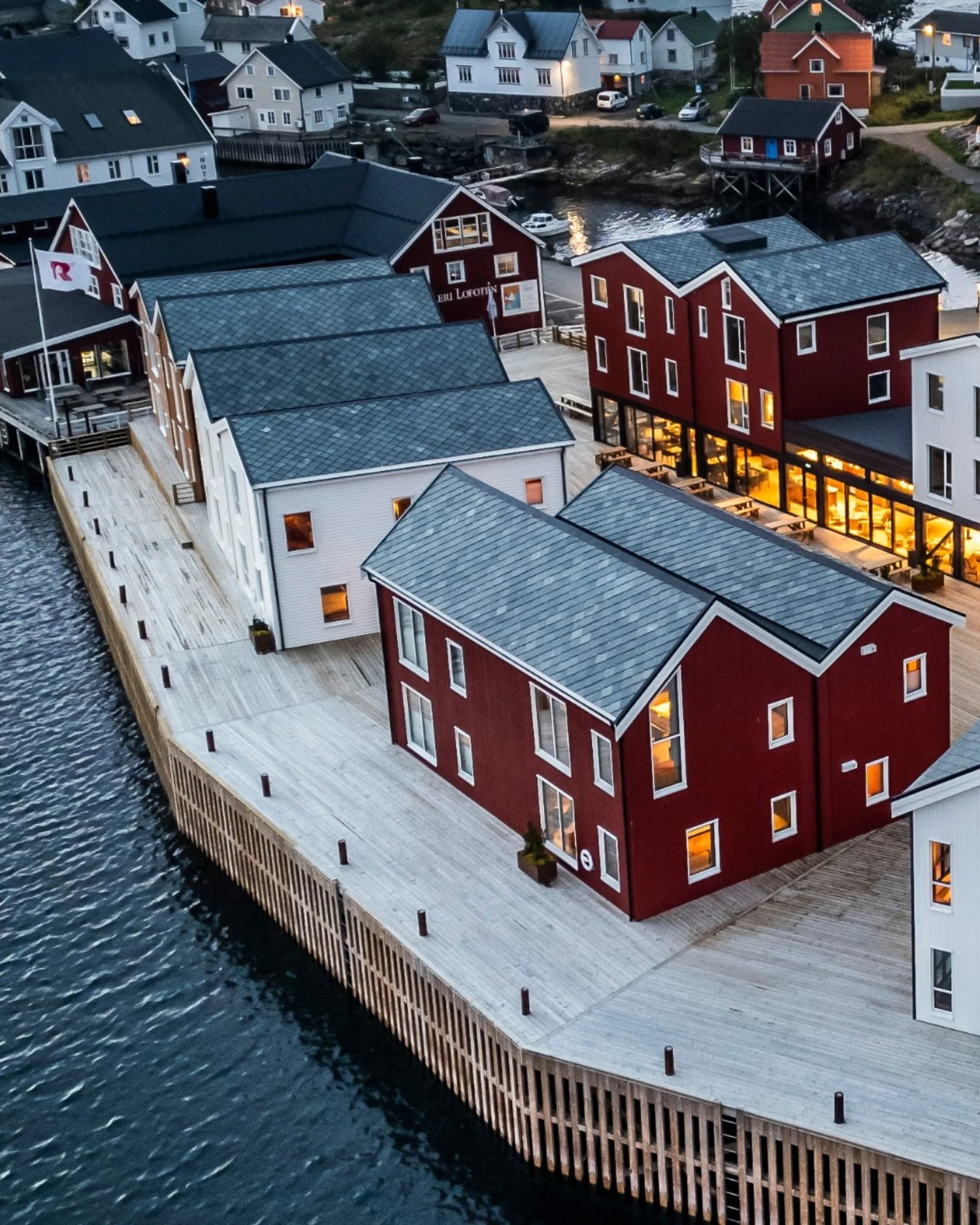
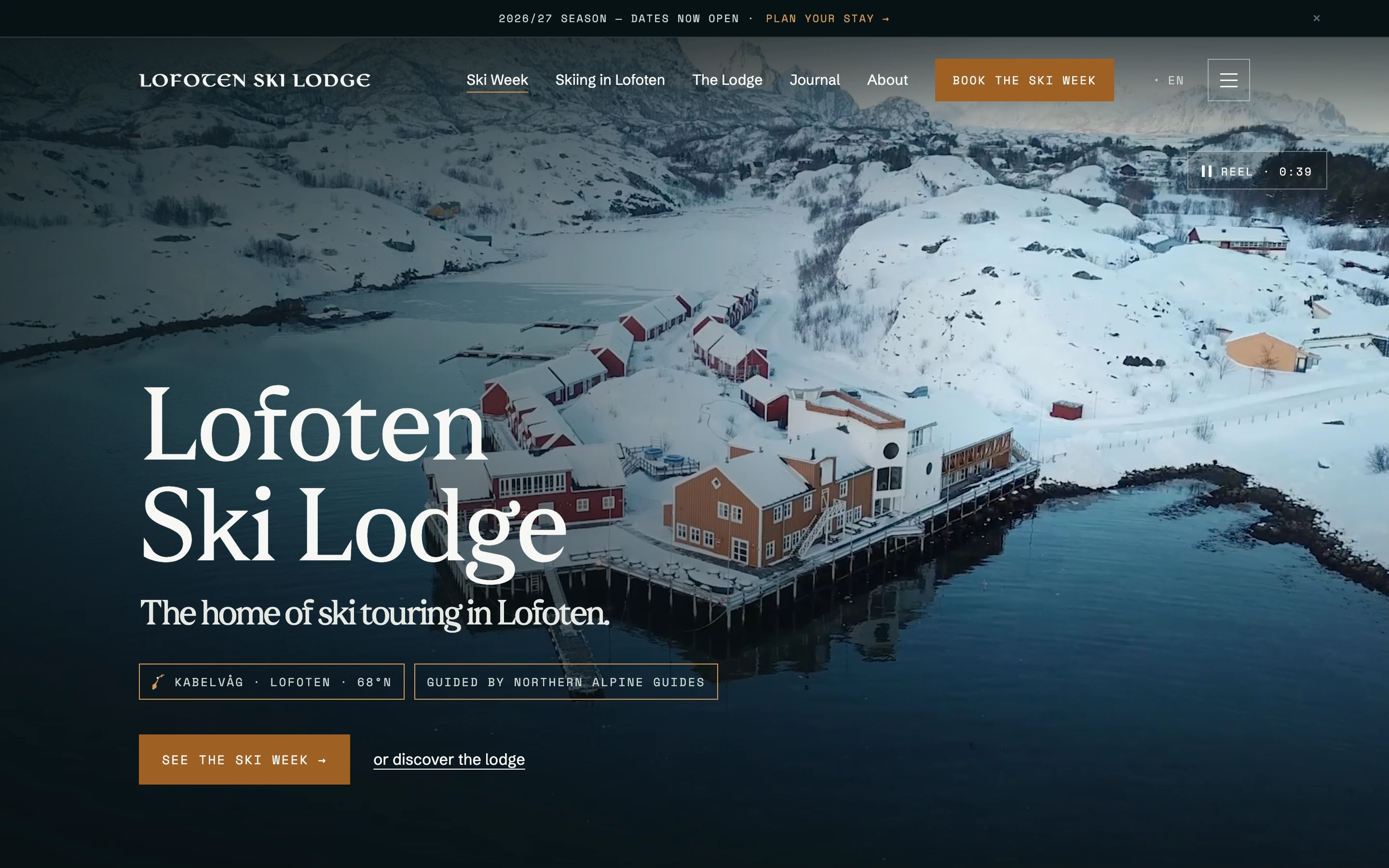
Sometimes a business seems to need a new name when it actually needs some distance from another one. Lofoten Ski Lodge's first site shared a template with Northern Alpine Guides, the guiding company that runs it. The lodge read as a section of someone else's business rather than a place to book in its own right.
The name was never the issue. The rebuild gave the lodge its own site, with the Ski Week leading as its product, and one line, "Guided by Northern Alpine Guides". That line carries the guides' credibility without merging the two brands.

Find the word your buyers already use
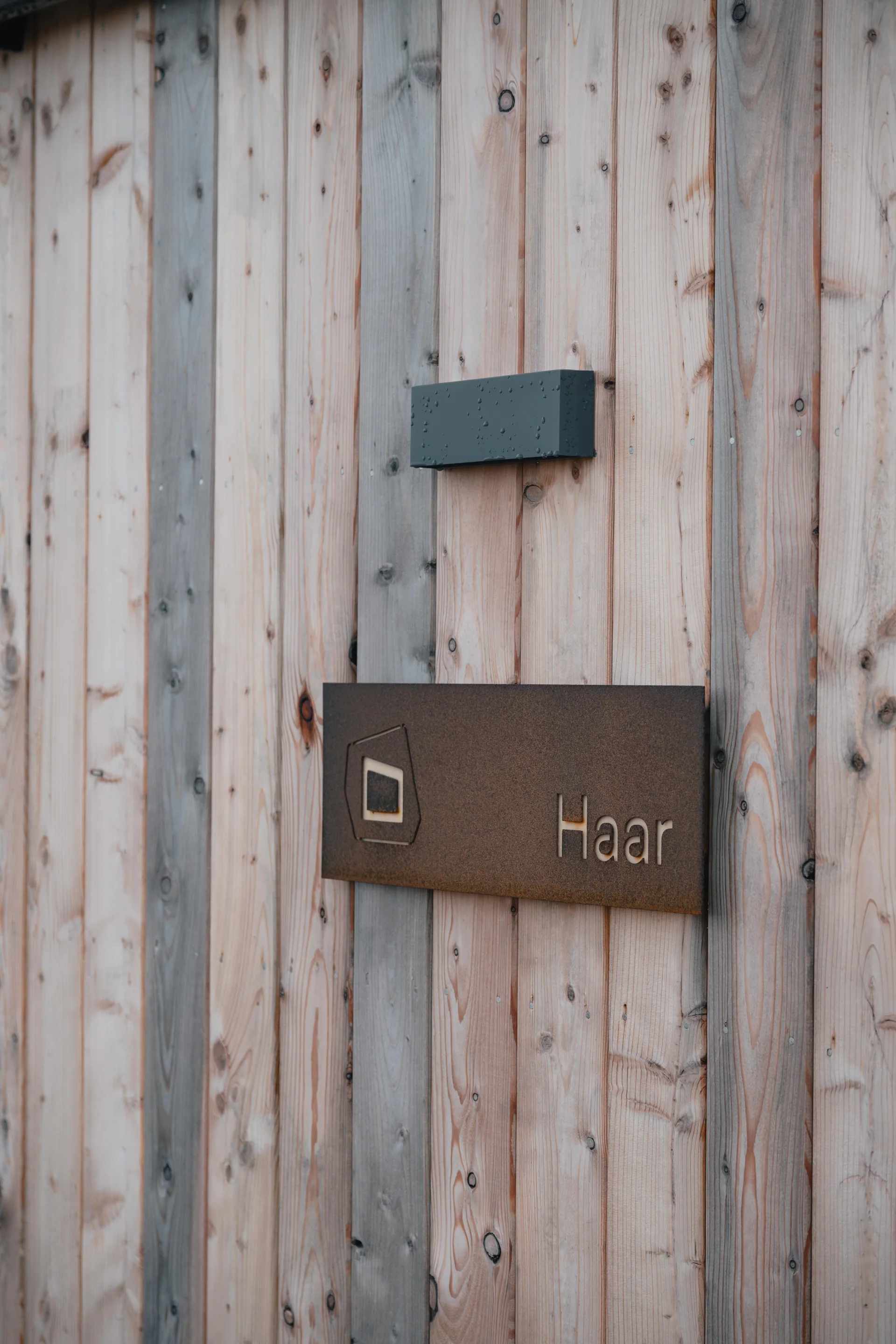
The best new names often already exist in the client's world. "Fenestration" came from architecture, Glo's buyers' own vocabulary. Beyond North was named from scratch, with the owner, while its cabins in Caithness were still being built. The name says where they are: the top of Scotland, the last stop before Orkney. The two cabins took their names from the sea: Haar, after the fog that rolls in off the North Atlantic, and Drift.
A name your buyers already understand needs less explaining, travels further in conversation, and is easier to find in search.
Keep what people recognise
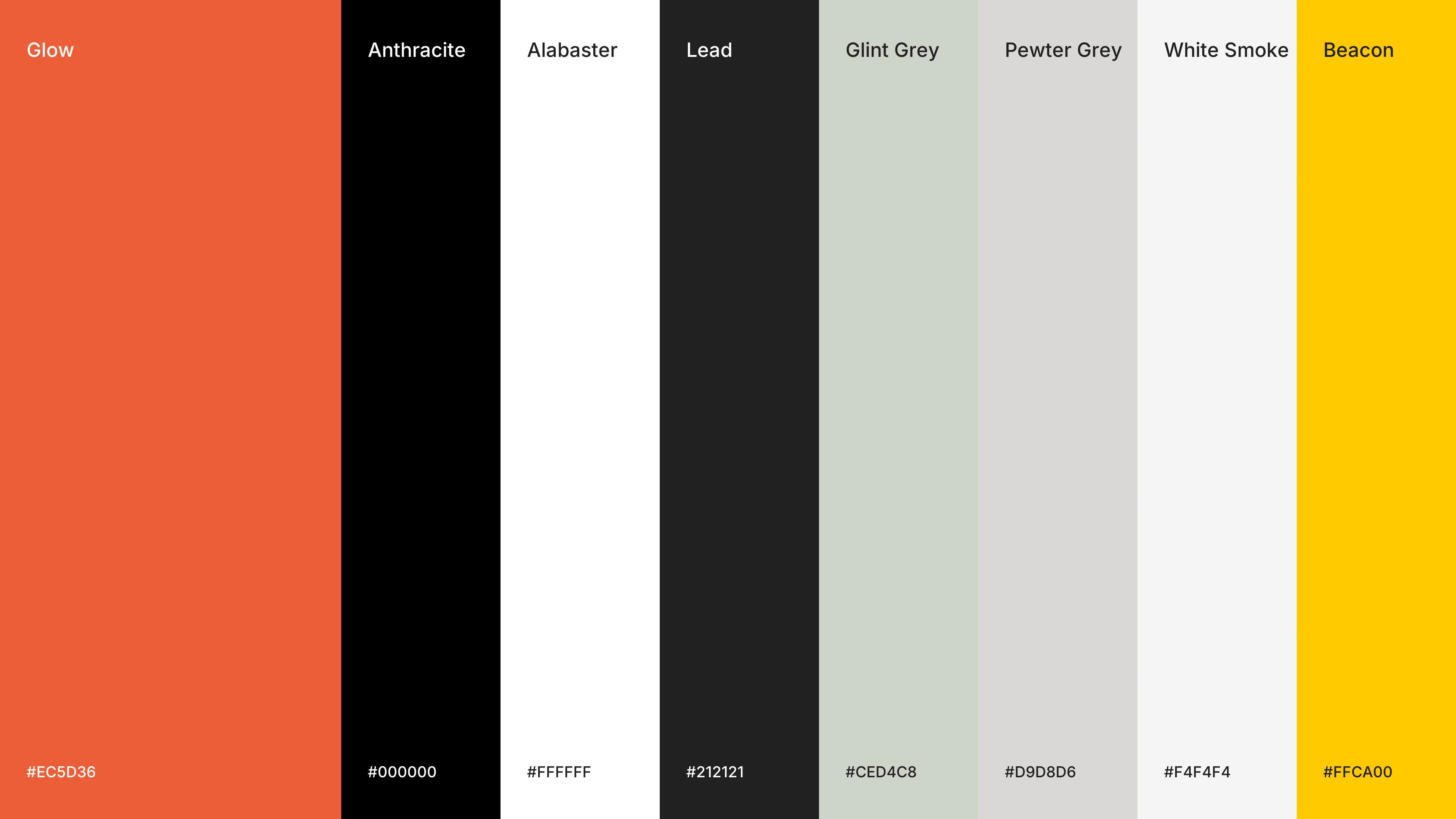
A rename doesn't have to start from zero. Glo kept "Glo". Its orange came back too: the first round swapped it for a yellow, and the final palette restored it as Glow, the one bright colour against Anthracite, Lead and three architectural greys.
Carrying something across, a word, a colour, a shape, tells existing clients it is the same business, grown up.
What a rename costs, and how to keep your search
A name lives in more places than you expect. Glo's runs from the website, now at glofenestration.com, to print, signage and the etching on the glass. List every place your old name appears before you commit: domain, email, signage, vehicles, listings, social handles, contracts and packaging.
If the domain changes, protect your search. Google recommends permanent (301) redirects from every old URL to its new one, kept for at least a year, and the Change of Address tool in Search Console (Google Search Central). Update your Google Business Profile and directory listings on the same day. For a while, say "formerly" on the site, so people searching the old name still find you.
Rename or keep: a checklist
- Does the name describe what the business does now?
- Is it in the words your buyers use?
- Does it leave room for what comes next?
- If people trust the name, is the real problem the identity, the website or the structure?
- Is there something to carry across: a word, a colour, a shape?
- Have you listed every place the old name lives?
- Are redirects, Search Console and your listings planned for launch day?
Questions people ask
What's the difference between a rebrand and a rename?
A rebrand changes how the business looks, sounds and presents itself. A rename changes what it's called. Most rebrands keep the name. Rename only when the name itself is in the way.
Should I rename my business?
If the name describes something you no longer are, or uses words your buyers don't, probably yes. If people know and trust it, fix the identity first.
Will renaming hurt my Google rankings?
It doesn't have to. Permanent redirects pass link value, and the Change of Address tool tells Google about the move. Expect a period of adjustment, and keep the old name visible on the site for a while.
Can I keep part of my old name?
Often that's the best option. Glo Windows & Doors became Glo Fenestration: the word people knew stayed, and the part that misdescribed the business went.
Who should be involved in choosing a name?
The decision-makers, and as early as possible some of the people who buy from you. A name is easier to test in the words of a client than in a workshop.
Mentioned: Glo Fenestration, Borough Farm, Polish Interior, Lofoten Ski Lodge, Beyond North. On the space between disciplines: Building for the Work Between Brand and Story.
Filed under Notes · Written by Charlie
Weighing up a new name?
Tell us what the business does now and what the name says. We'll tell you honestly whether it's the name or the brand.
Charlie reads every brief and replies himself