Bookings, not brochures: what a cabin or glamping website has to do
Six decisions that turn a cabin or glamping website from a brochure into the place guests book.
A direct booking website for a cabin, a glamping site or a small lodge has one job: turn someone who is already interested into a confirmed stay, without sending them back to Airbnb to finish. Most of these sites fail because they make the guest do the work, not because they look wrong. Six decisions fix most of it. Lead with the place, give every stay its own page, keep the dates one tap away on a phone, answer the questions that stop a booking, bring the reviews home, and give a reason to book direct.
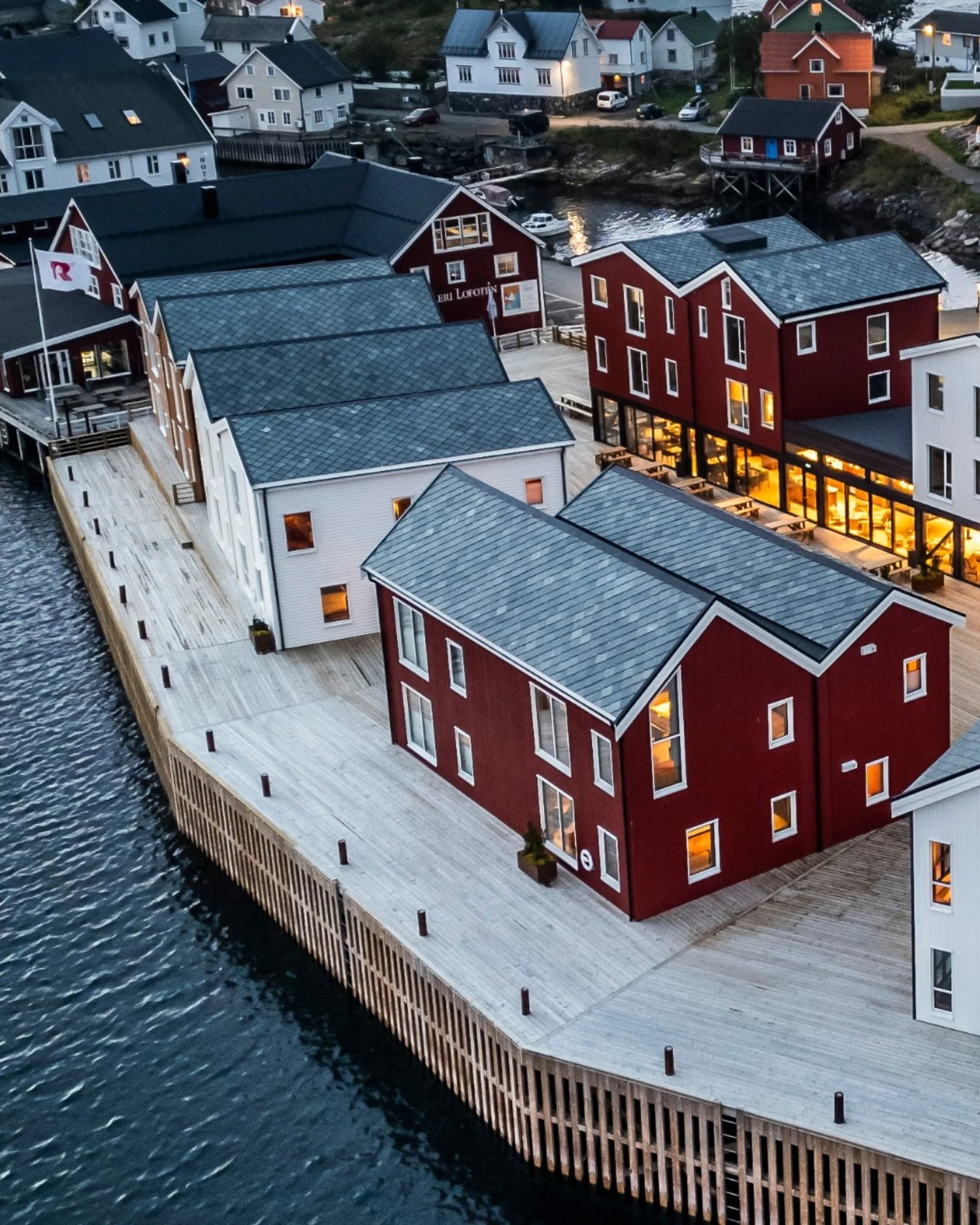
These notes come from three sites we've built and still look after. Beyond North is two cabins in Caithness, taking bookings since December 2025. Borough Farm is four barn stays and a yurt on the edge of Dartmoor. Lofoten Ski Lodge sits in Norway's Lofoten Islands.
Why book direct at all?
Because the platforms take a share of every stay. Airbnb says most hosts on its single-fee structure pay 15.5% of the booking, and it is moving home hosts onto that structure (Airbnb). Booking.com sets its commission per property. Around 15% is the figure most often quoted (Guesty).
That doesn't make the platforms the enemy. They are very good at finding guests who have never heard of you, and Borough Farm's 2026 strategy deliberately included placements on them. The website does a different job. It is where those guests come back to, and where anyone who already knows your name books without paying the platform's cut.
Lead with the place, not the bed
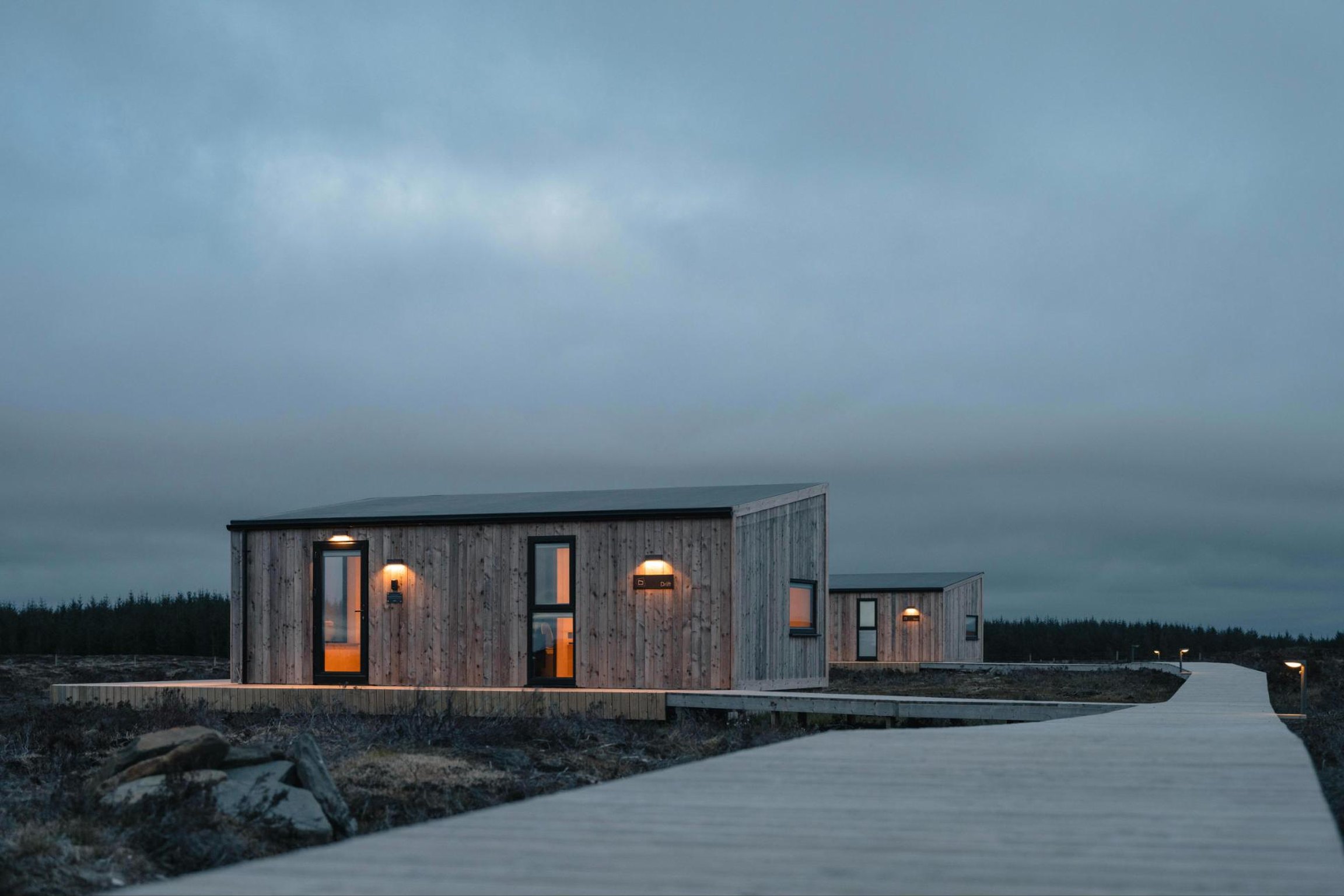
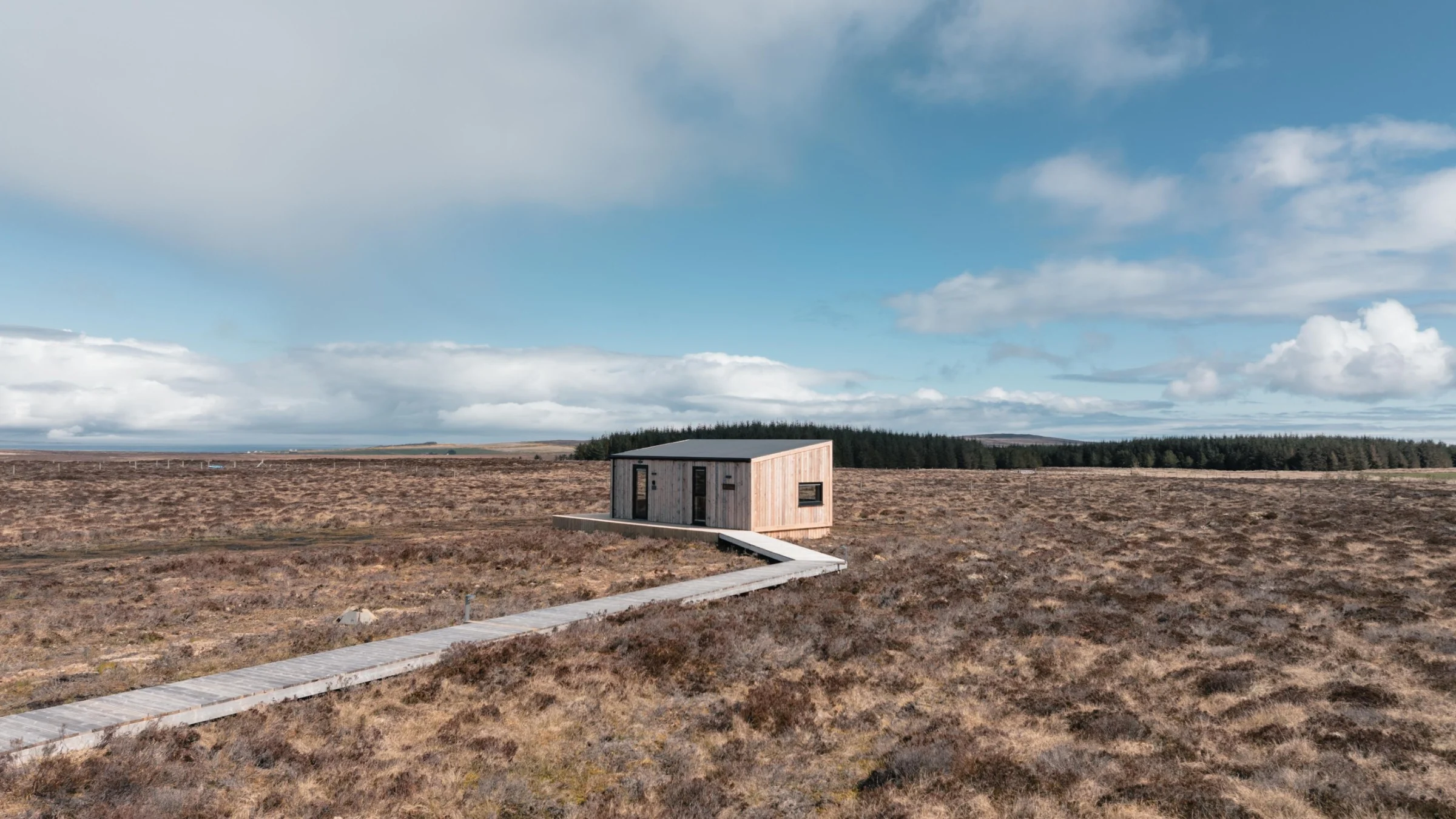
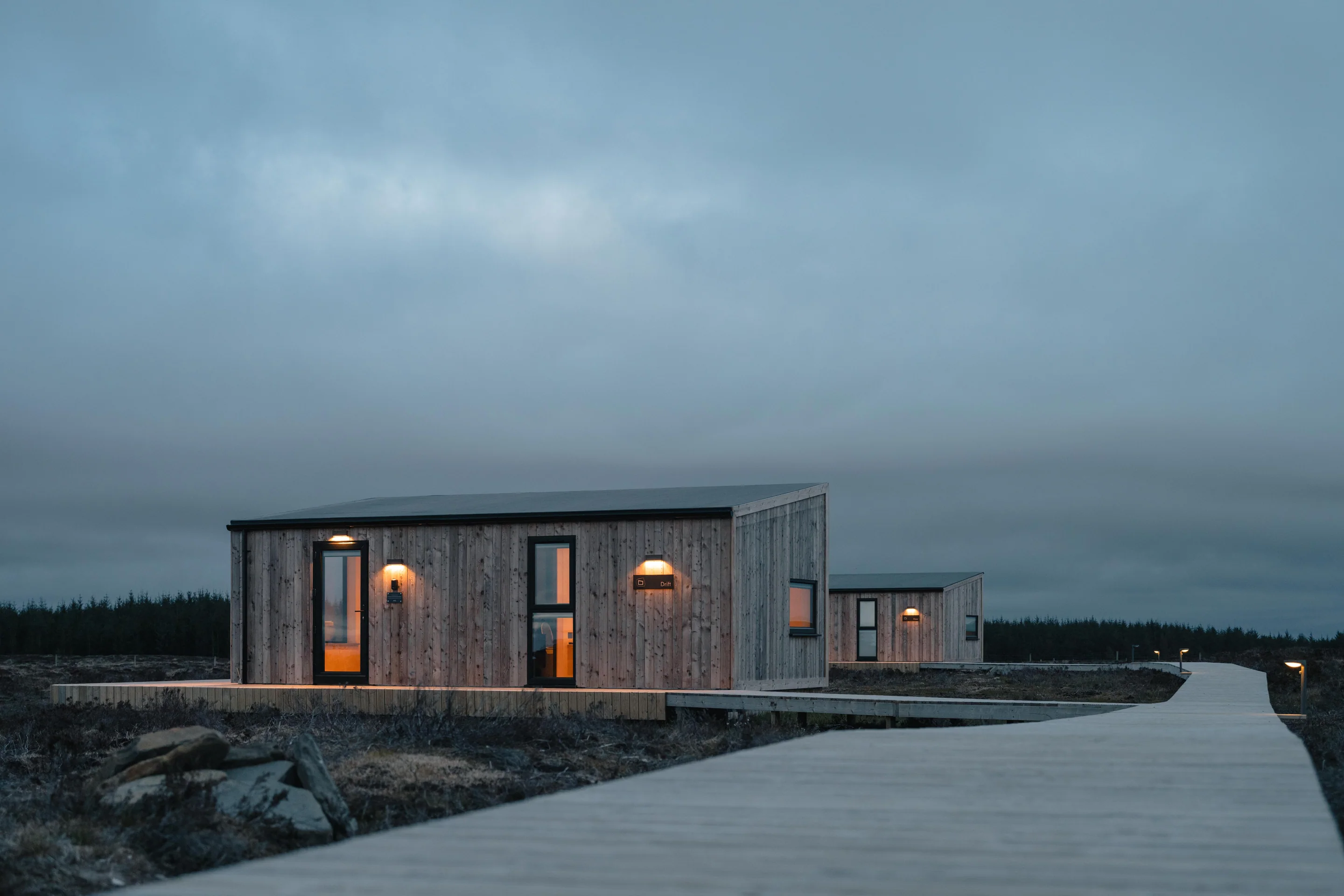
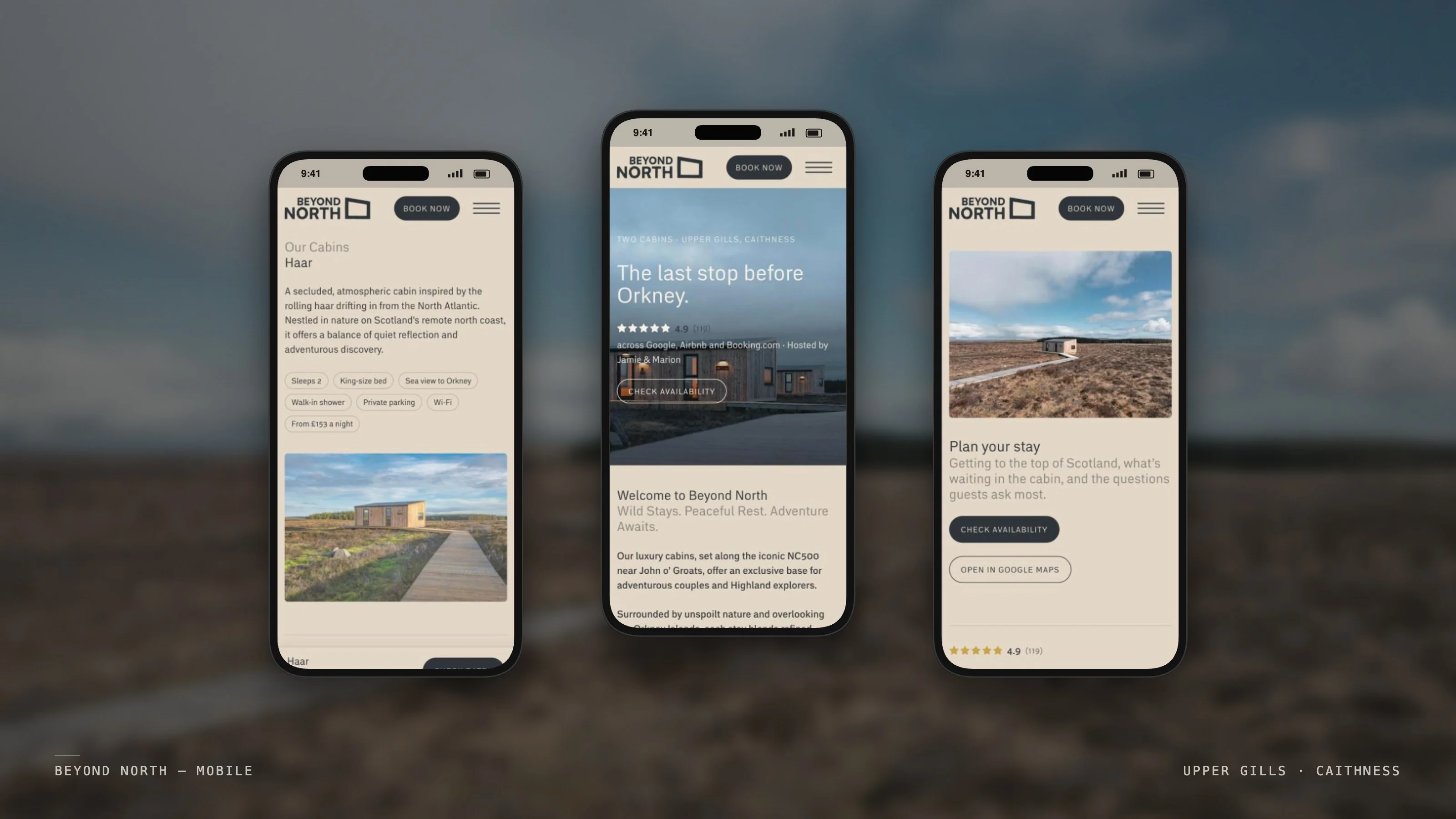
Guests choose a place before they choose a room. Beyond North's homepage opens on the cabins at dusk and one line, "The last stop before Orkney". In a single scroll it then gives the two cabins, the reviews and the practical reasons to stay: self check-in, just off the NC500, minutes from the ferry.
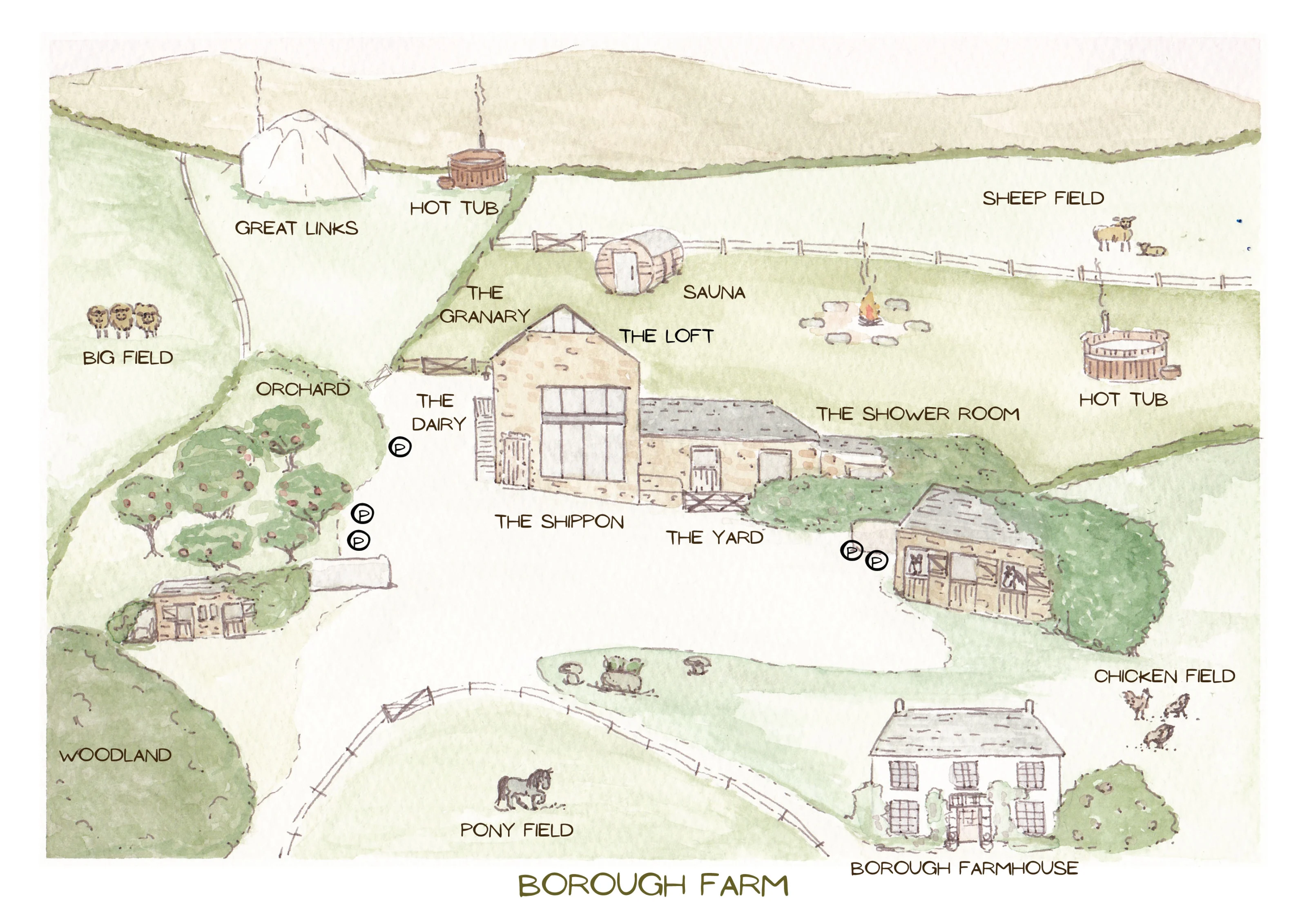
Borough Farm leads with "Stay close to the land" and an illustrated map of the whole farm, down to the garden, the Mowhay. Before a guest has seen a bedroom, they know where they would be and why it's different.
The test is simple. If your homepage's opening line could belong to another property, it isn't doing its job.
Give every stay its own page
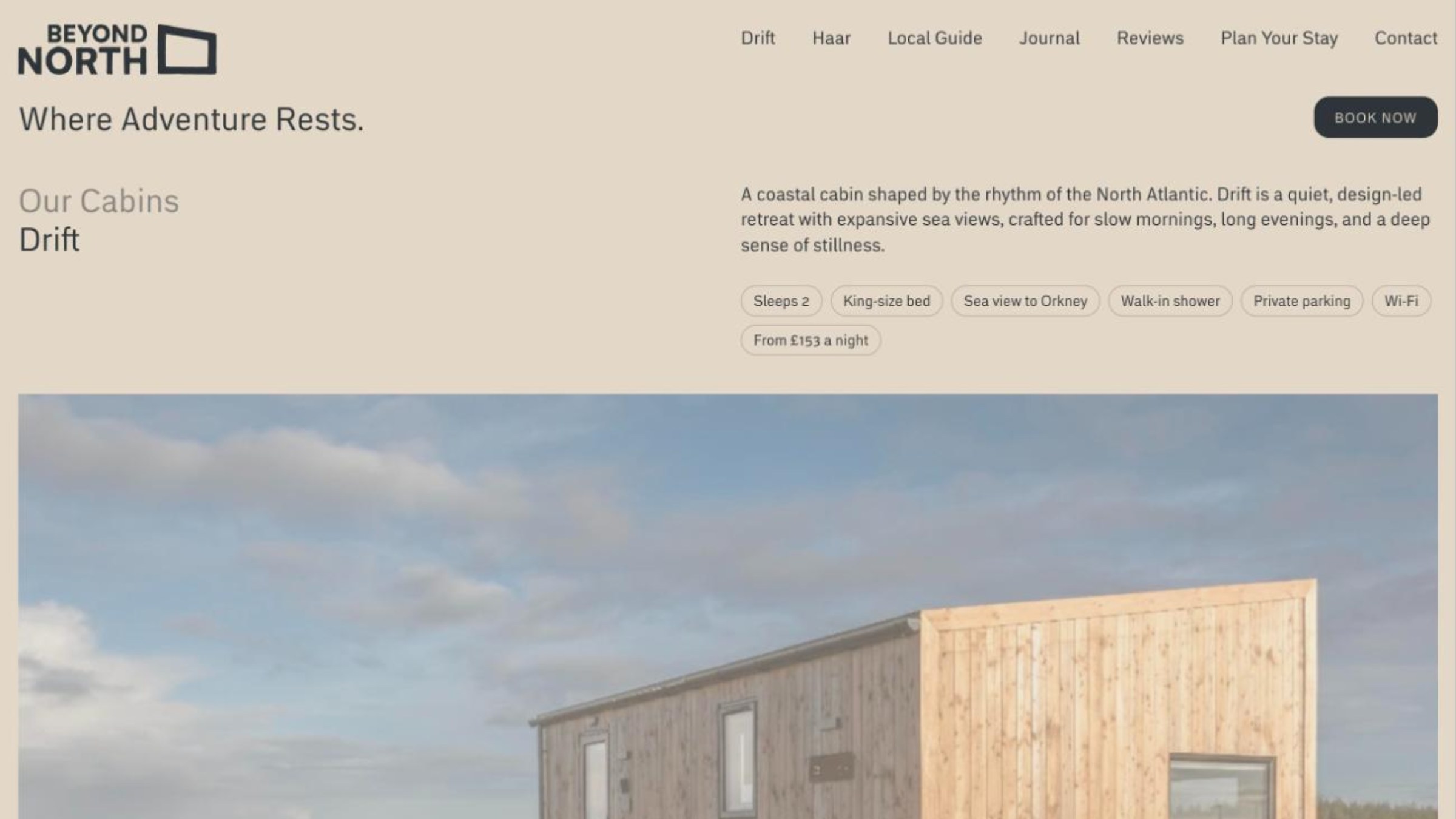
One page that lists everything is easy to build and hard to book from. Each stay needs its own page, with the same facts in the same order: who it sleeps, what's included, the price from, the reviews and the dates.
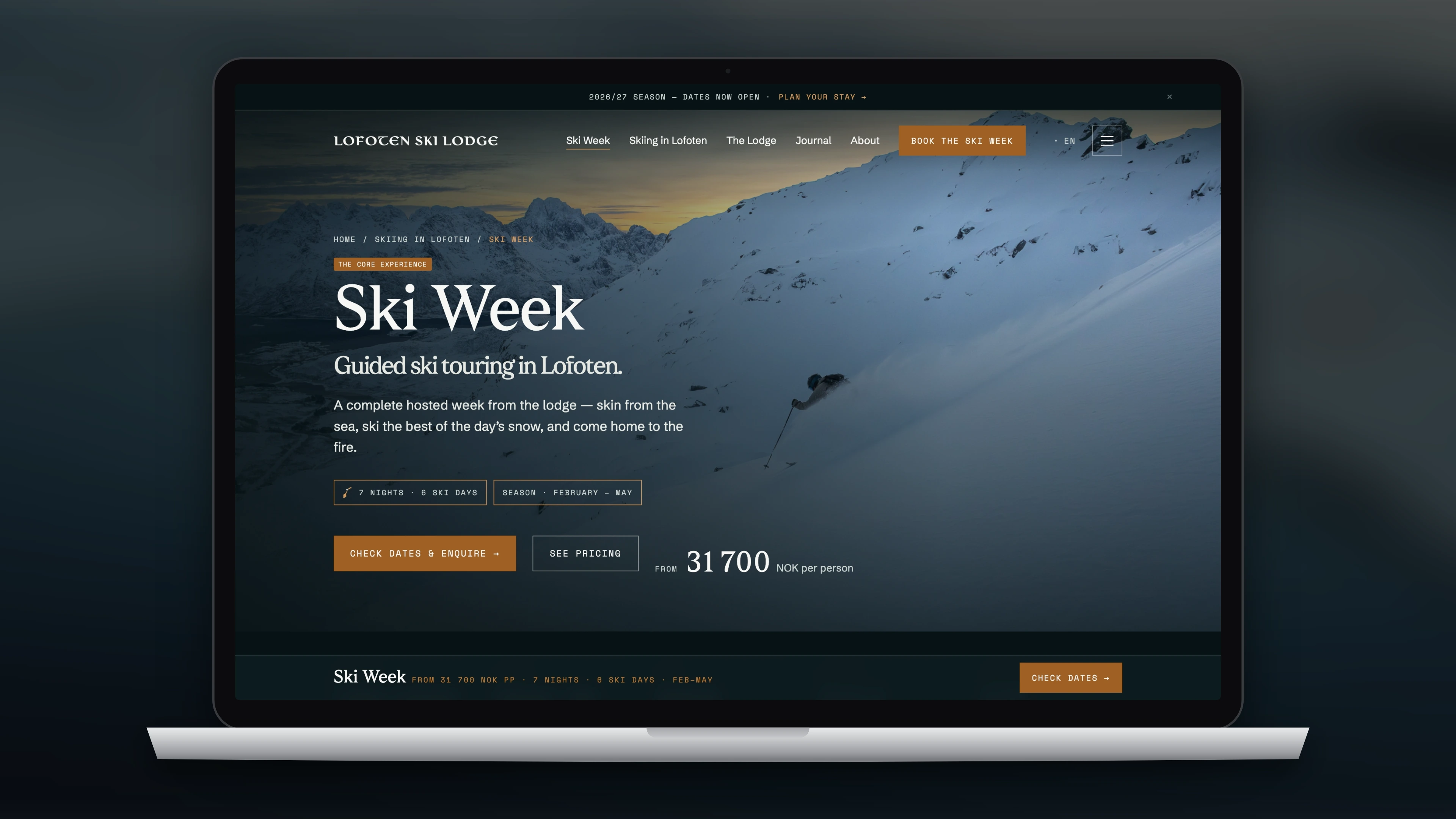
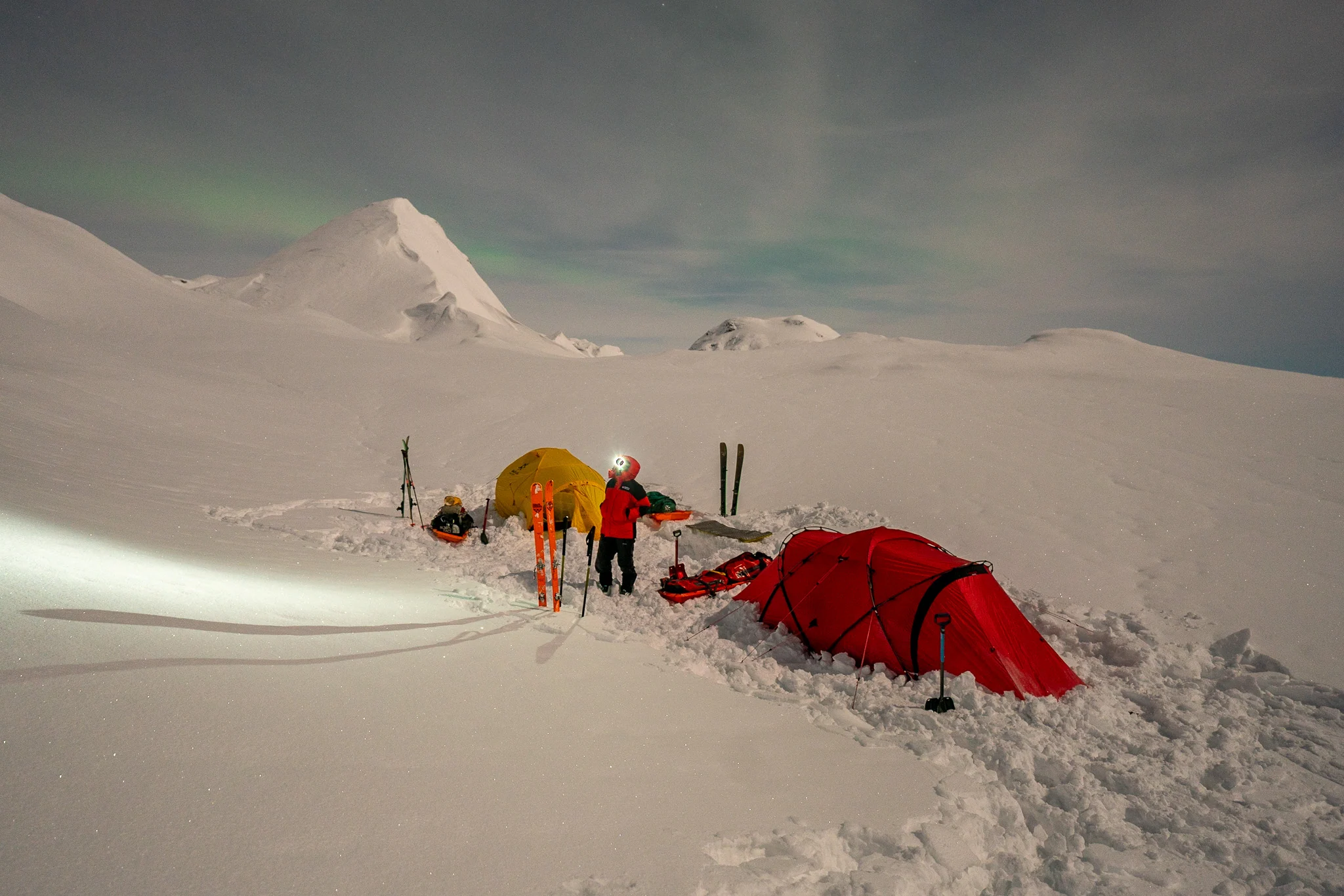
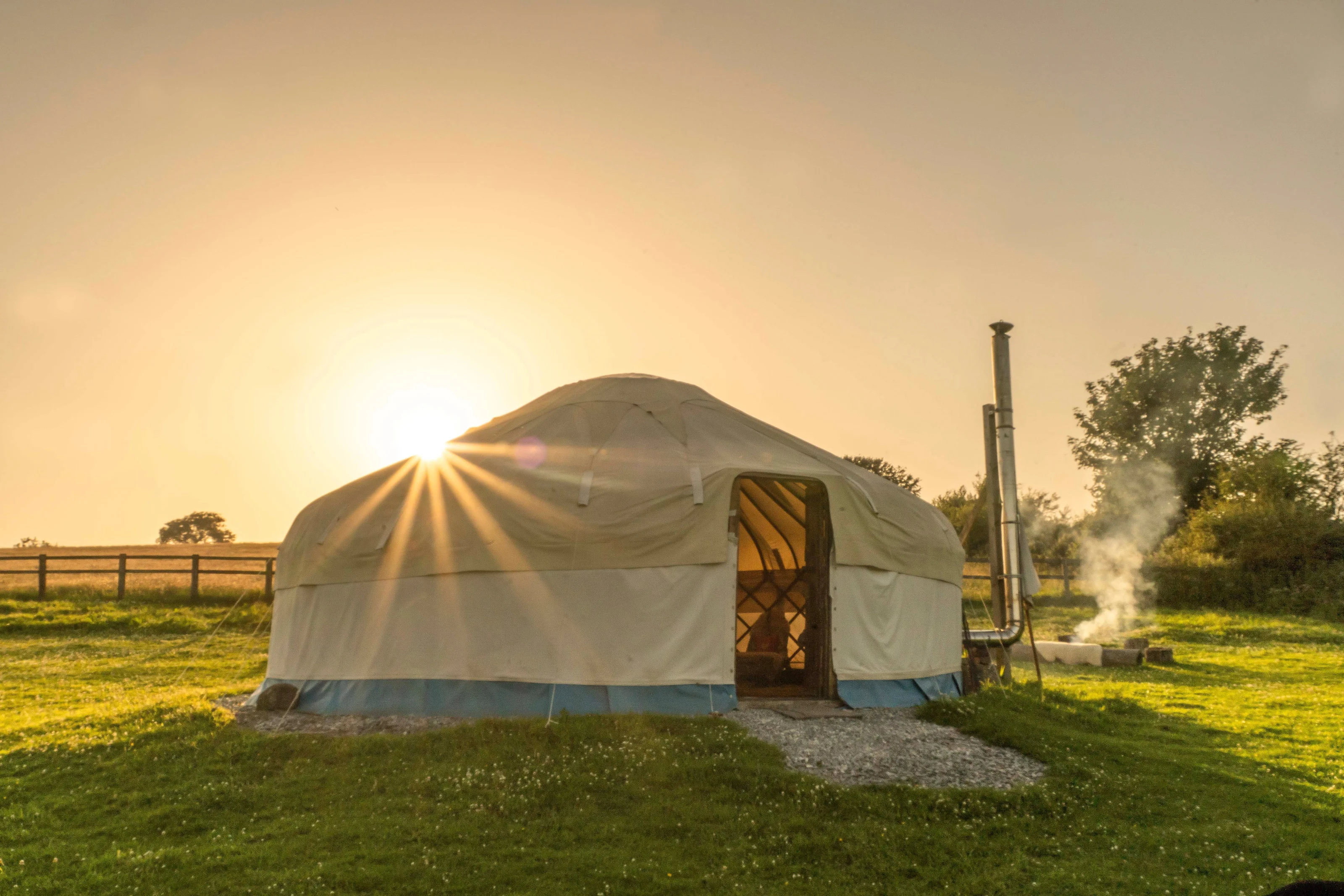
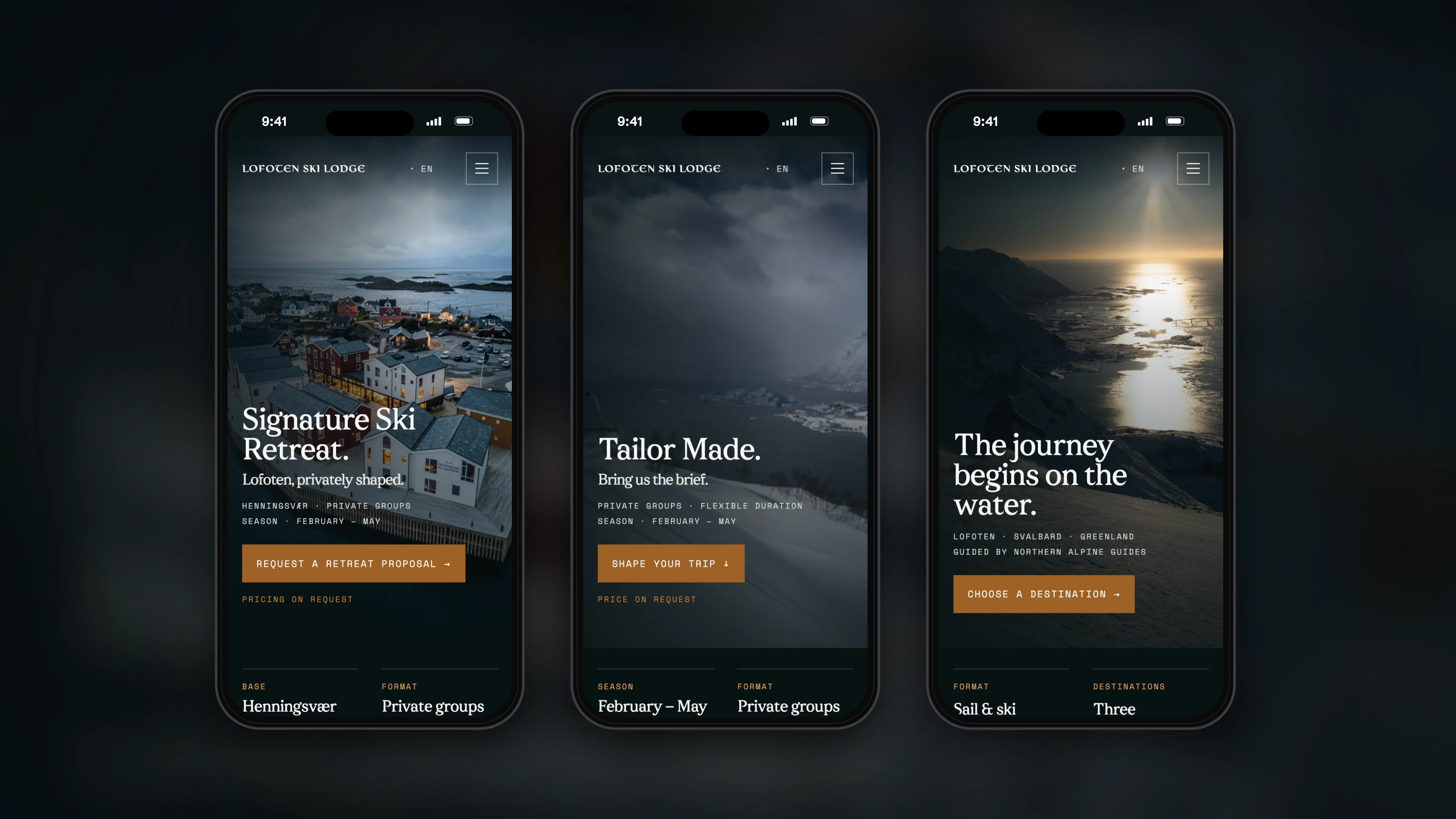
Beyond North's Haar and Drift each have one. Borough Farm has five: The Yard, The Shippon, The Dairy (fully accessible), The Granary with its 22-seat table in The Loft, and Great Links, a 21-foot yurt with a wood-fired hot tub. Lofoten Ski Lodge states its Ski Week the same way on every page: seven nights, six guided ski days, February to May, and a from-price. Its three other ways to stay each get their own page and their own route to an enquiry.
A page per stay also helps you get found. Someone searching for an accessible farm stay in Devon, or a yurt with a hot tub, lands on the page that answers it. Search engines and AI assistants tend to surface pages that answer one thing clearly.
Keep the dates one tap away on a phone
On a phone, the booking button scrolls out of sight at exactly the moment someone decides. On Beyond North's cabin pages, a Check dates bar stays on screen on mobile, so booking is one tap away wherever the guest has scrolled to.
It is a small piece of design. It is also the difference between someone deciding and someone forgetting.
Answer the questions that stop a booking
Most hesitation is a practical question. How do I get there? What's nearby? What if I'm catching an early ferry? Beyond North answers them with a local guide, Plan Your Stay, a journal written for search and, since October 2026, a page for the night before the Orkney ferry. Lofoten Ski Lodge's Getting Here page shows the route from four airports, because "how far is it?" can end a booking before it starts.
These pages work twice. They reassure guests already on the site, and they bring in people searching the question, often before they've chosen where to stay.

Bring the reviews home
Guests trust other guests, and your best reviews usually live on someone else's platform. Bring them onto your own site. Beyond North shows reviews from Google, Airbnb and Booking.com, where, at the time of writing, guests rate the cabins 5.0, 4.98 and 9.6. Borough Farm's site carries its Green Tourism Gold award and its 4.9 rating on TripAdvisor.
Showing all of them matters. A guest who has just seen the Airbnb score finds the same reassurance on your site, and has no reason to go back and book there.
Give a reason to book direct
If the price and the stay are identical, many guests book wherever they first found you. So give them a reason. Beyond North backs booking direct with a price-match promise.
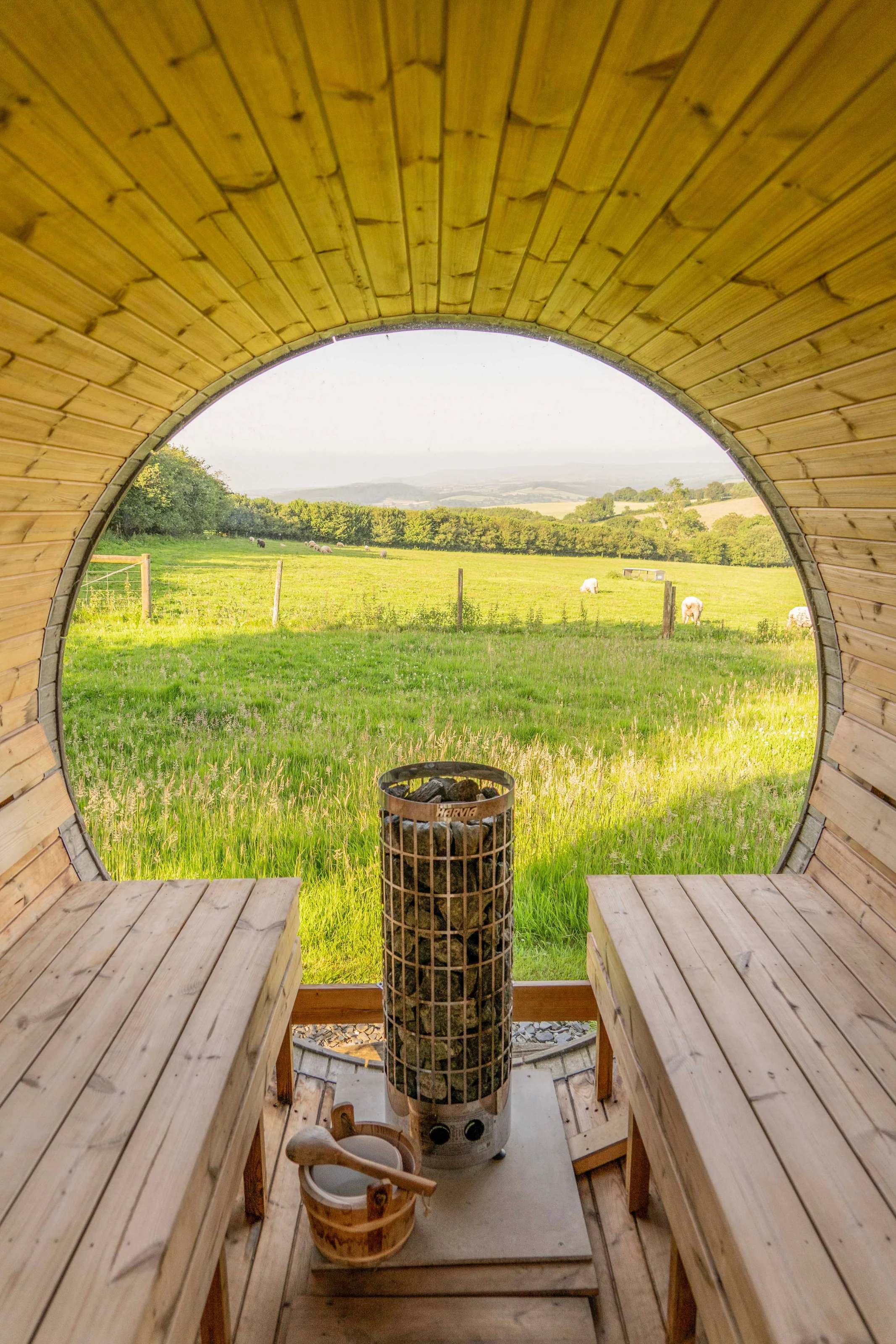
Borough Farm gives guests reasons to come back: sauna and hot-tub sessions, whole-farm hire, a journal and a Friends of the Farm newsletter. A guest who signs up after their stay is the cheapest repeat booking you will get.
Let a booking engine do the booking
Don't build a booking system. Use a proven one and build it into the site so it looks and feels like yours. Beyond North takes bookings through Inn Style, and Borough Farm through Anytime Booking. The website carries the story, the stay pages and the search. The booking engine handles availability, payment and the calendars shared with the platforms.
Pick the engine before the design is final, because it decides how closely the booking can sit inside the pages. On Borough Farm's old site, booking was the part the owner liked least.
Photography does the selling first
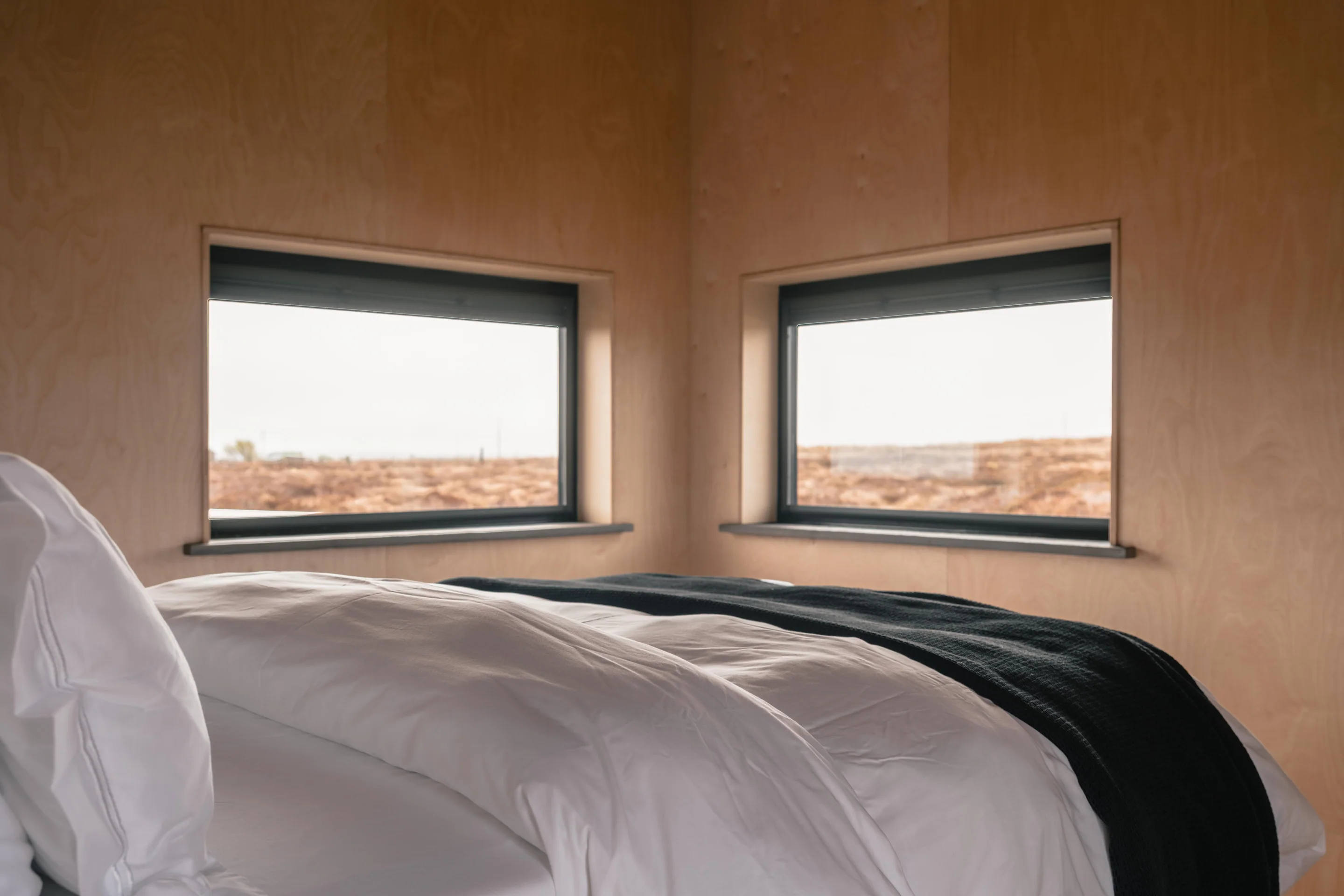
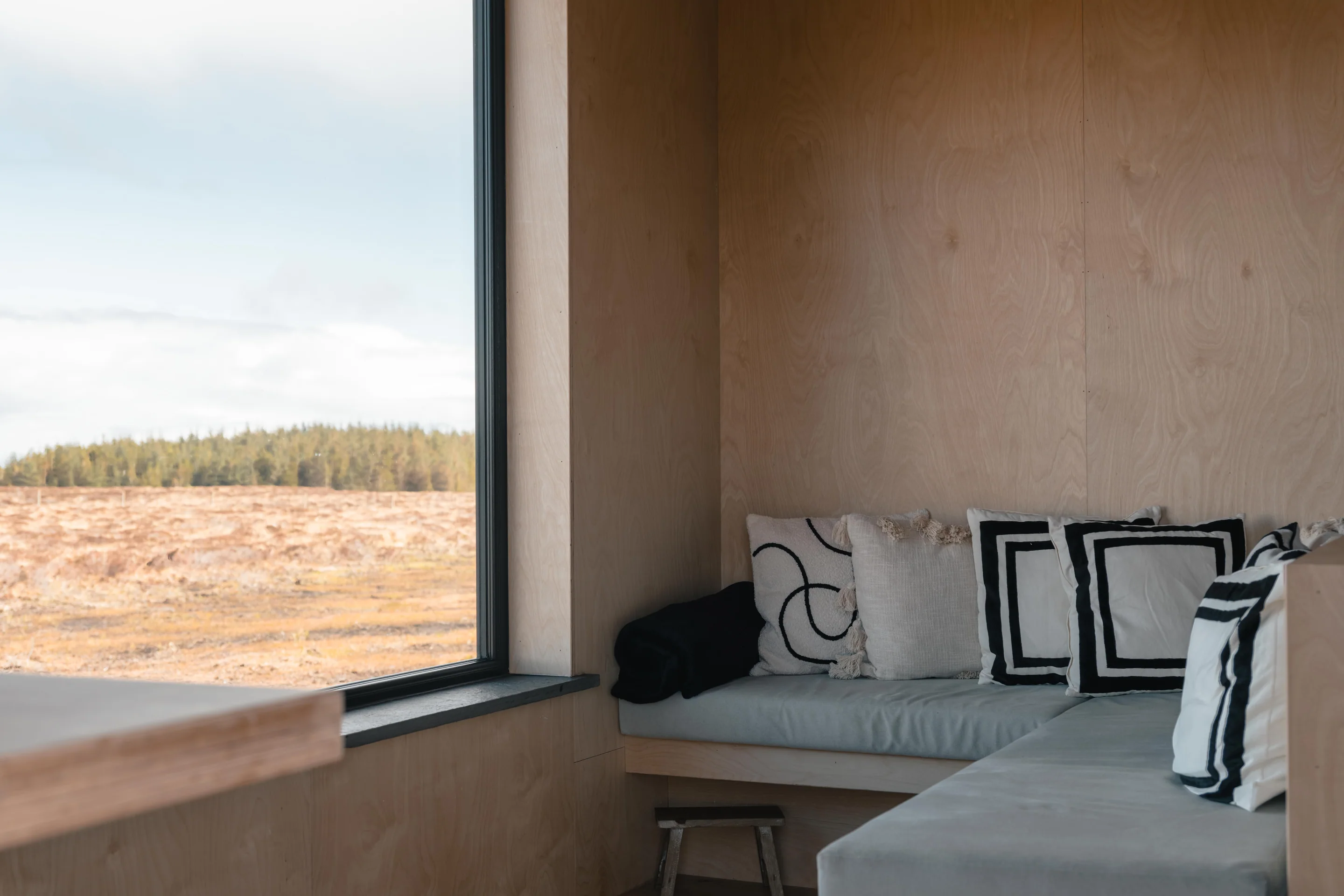
The pictures sell the stay before the words do. Beyond North's photography brief set one rule: this is not a summer-holiday brand. Matt Buckley shot the cabins to it: low light, weather, timber, and the moor in every window. How to brief a photographer for an outdoor brand covers that in full.
A checklist
- The opening line could only describe your place
- Every stay has its own page: sleeps, included, price from, reviews, dates
- Check dates stays on screen on a phone
- Getting here, nearby and the practical questions each have an answer
- Reviews from every platform you use, shown on your site
- A reason to book direct, stated plainly
- A booking engine built into the design, not a link away
- A way to stay in touch after the stay
Questions people ask
Do I still need Airbnb and Booking.com if I have my own website?
Usually, at least at first. They find new guests. Your site wins the repeat guests, the referrals and anyone who searches for you by name.
What pages does a holiday let website need?
A homepage that leads with the place, one page per stay, a getting-here or plan-your-stay page, a local guide, reviews, and a route to booking on every page. A journal helps people find you.
Which booking system should I use?
One that suits how you let your stays and can be built into the site. Our clients use Inn Style and Anytime Booking. Decide before the design is final.
Can a small website compete with Airbnb in search?
Not for broad searches. It can win your own name, the questions guests ask, and the specific searches the platforms answer badly, like where to stay the night before a ferry.
Can I update it myself?
You should be able to. Beyond North's CMS holds the cabins, journal, reviews and local guide, so the owner changes the facts without touching the layout. Lofoten Ski Lodge's handover came with a handbook for the lodge team.
Mentioned: Beyond North, Borough Farm, Lofoten Ski Lodge. More on how these sites are structured: Why Websites Need Systems, Not Just Pages.
Filed under Notes · Written by Charlie
Planning a booking website?
Tell us about the place and how guests book today. Charlie will reply himself with what we'd do first.
Charlie reads every brief and replies himself