Notes on Field Production
Lightweight crews, difficult environments and practical capture — what field production actually involves.
Most of what goes wrong on a location shoot is known about in advance: the weather, the light, the hours, the kit that hasn’t turned up. Field production is mostly the work of planning for those things, then letting the plan go when the day asks you to.
A few notes from shooting in cold, remote and occasionally very hot places.
The plan will change
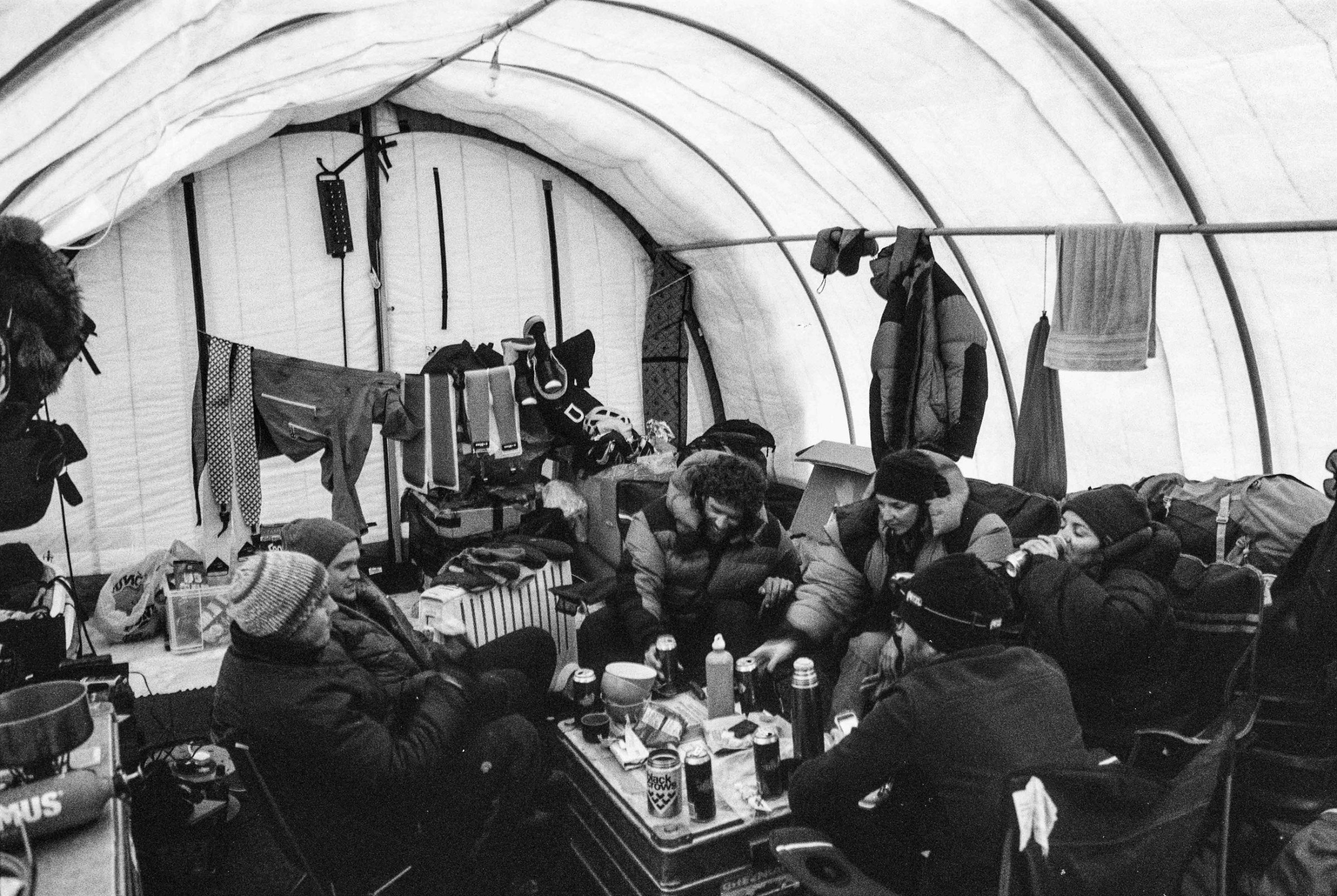
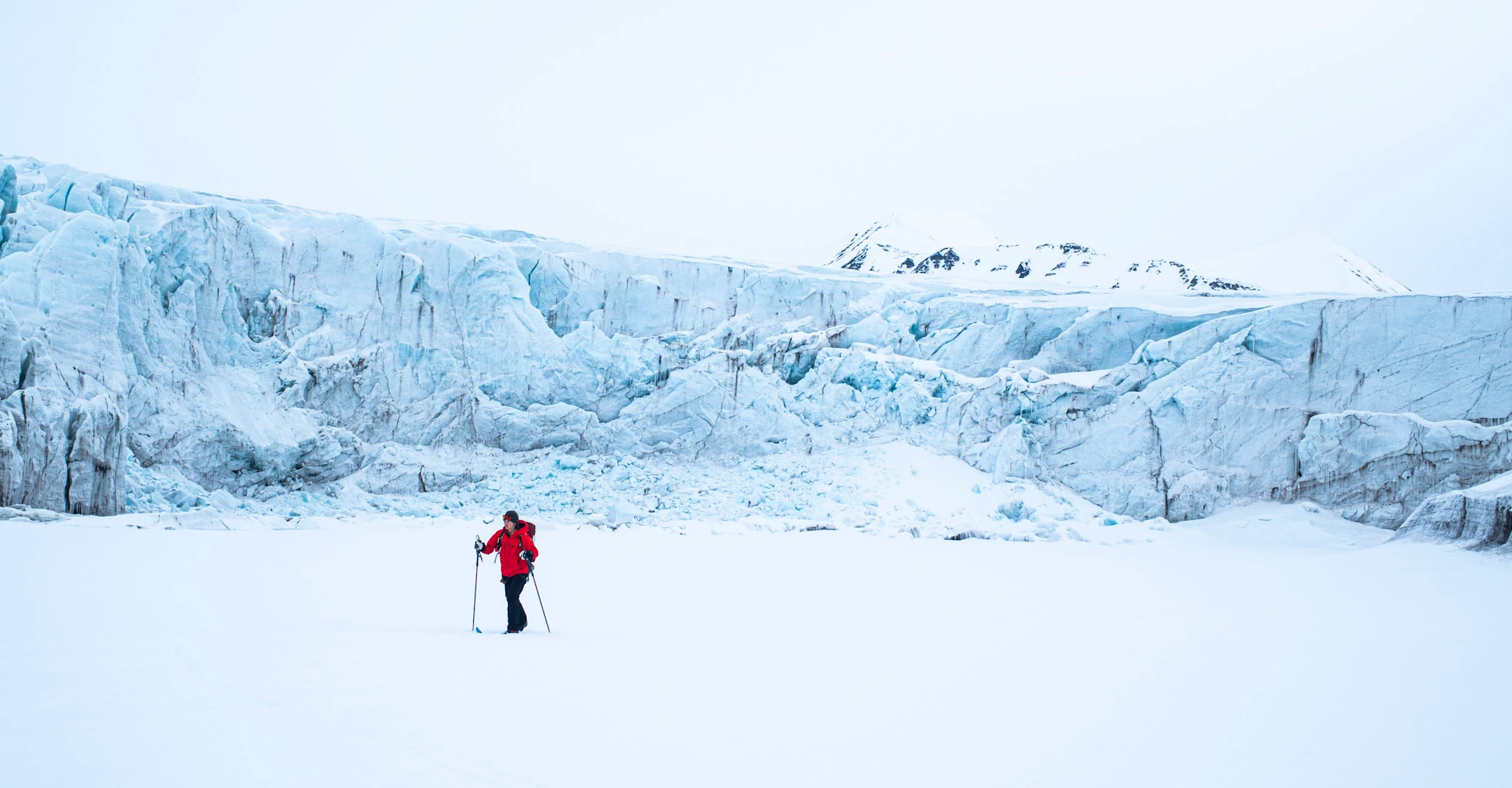
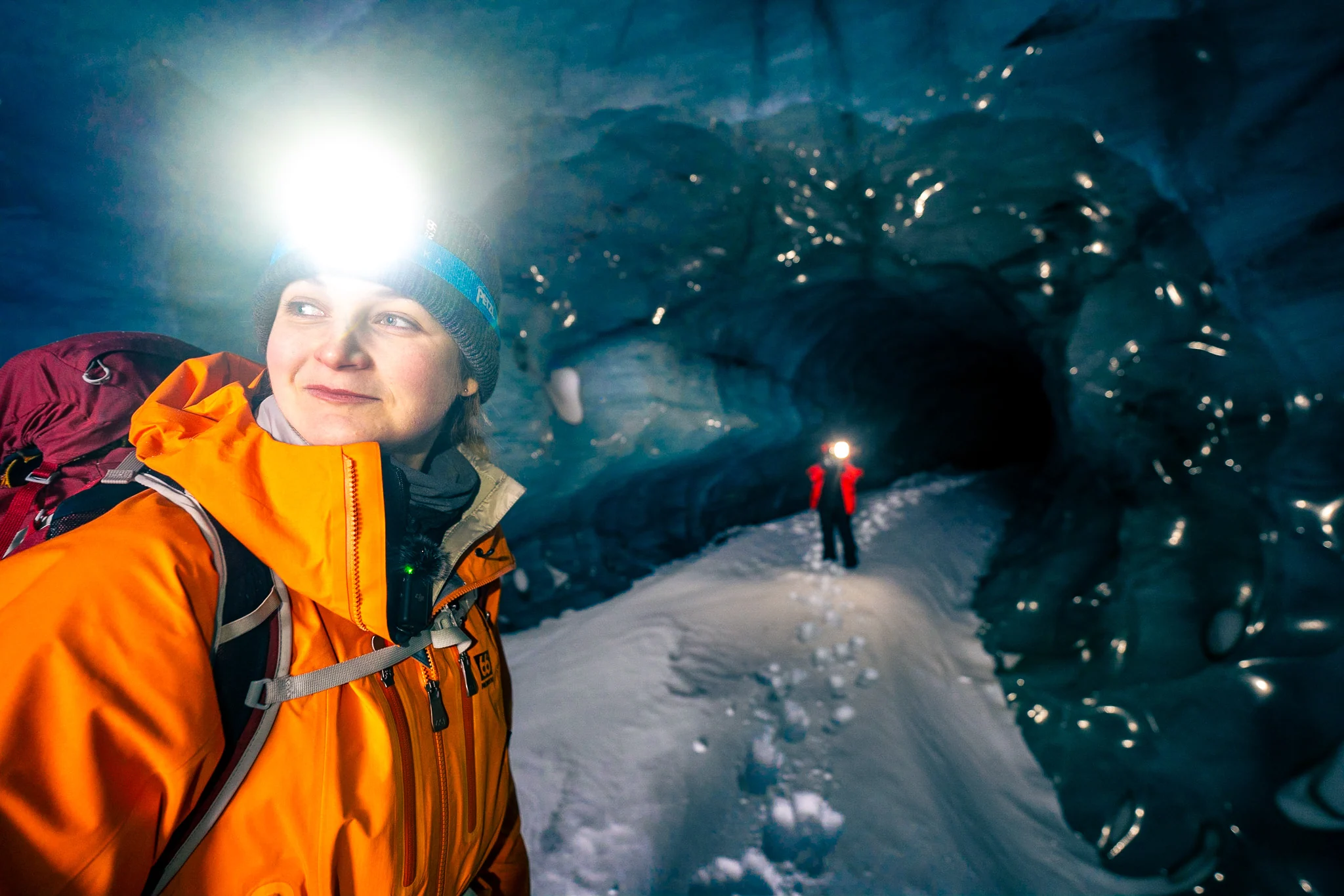
True North was meant to follow a ski expedition across Svalbard, with Lucy Shepherd guiding for Turgleder. The trip didn’t go to plan, and the film changed with it. It became the story of Lucy herself, told on the ice where her own story began in 2011.
In Morocco, the Shackleton × Defender shoot lost its subject a week before the flight, when the retail samples slipped. Instead of a model in the dunes, it followed Shackleton into a real Defender field test, and the people who wear the team kit.
Neither was a rescue. The treatment is where you start, and the best version of the film is often the one the trip hands you.
Shoot to the conditions
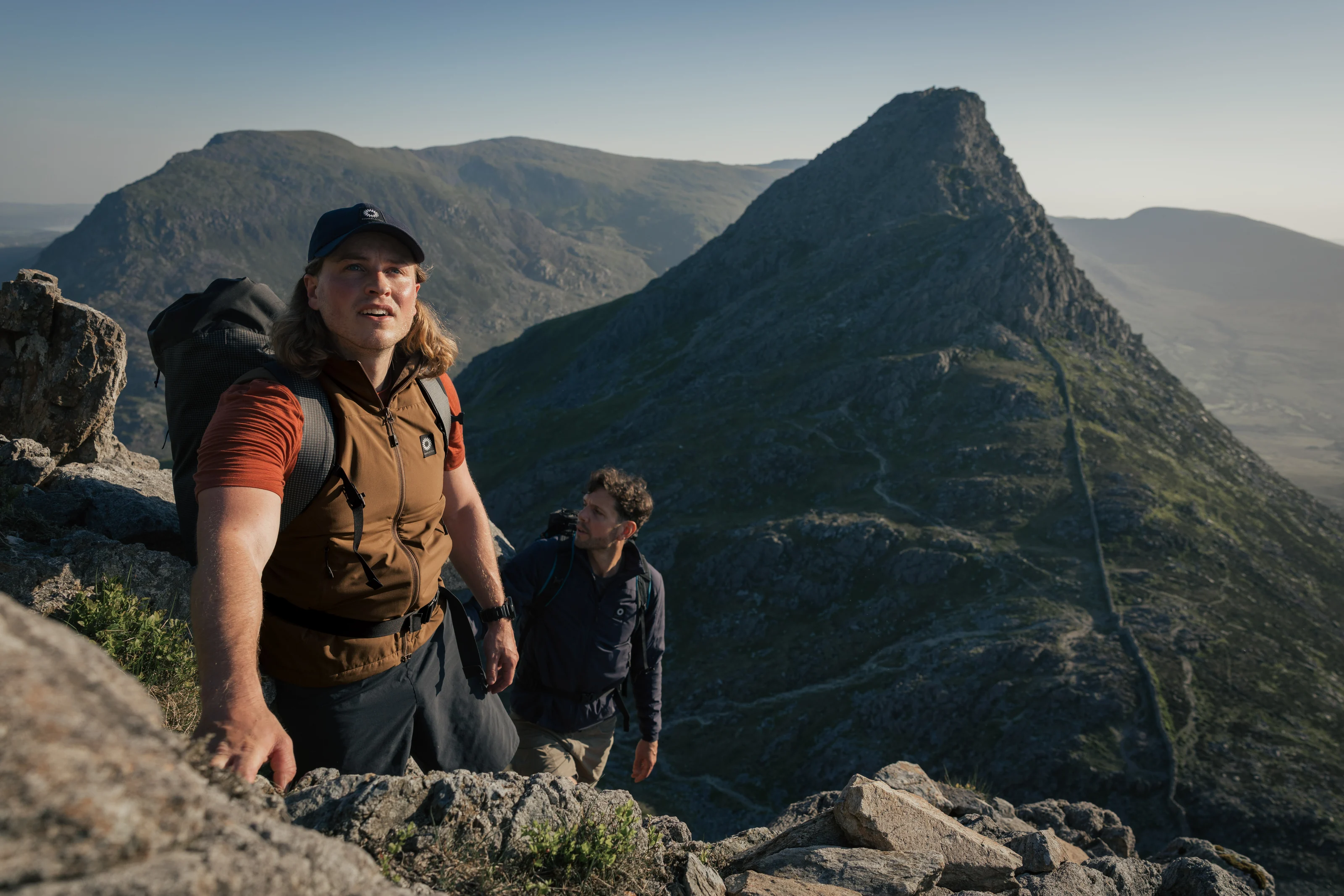
Made to Move launched Shackleton’s first active insulation, and the shoot landed on the hottest May day on record in the UK. So the schedule followed the sun: up at 02:00 for Bristly Ridge at sunrise while the air was still cool, the waterproof at Aber Falls at noon, the gilet on Anglesey into golden hour, wrap at 23:00. Five locations in forty-eight hours.
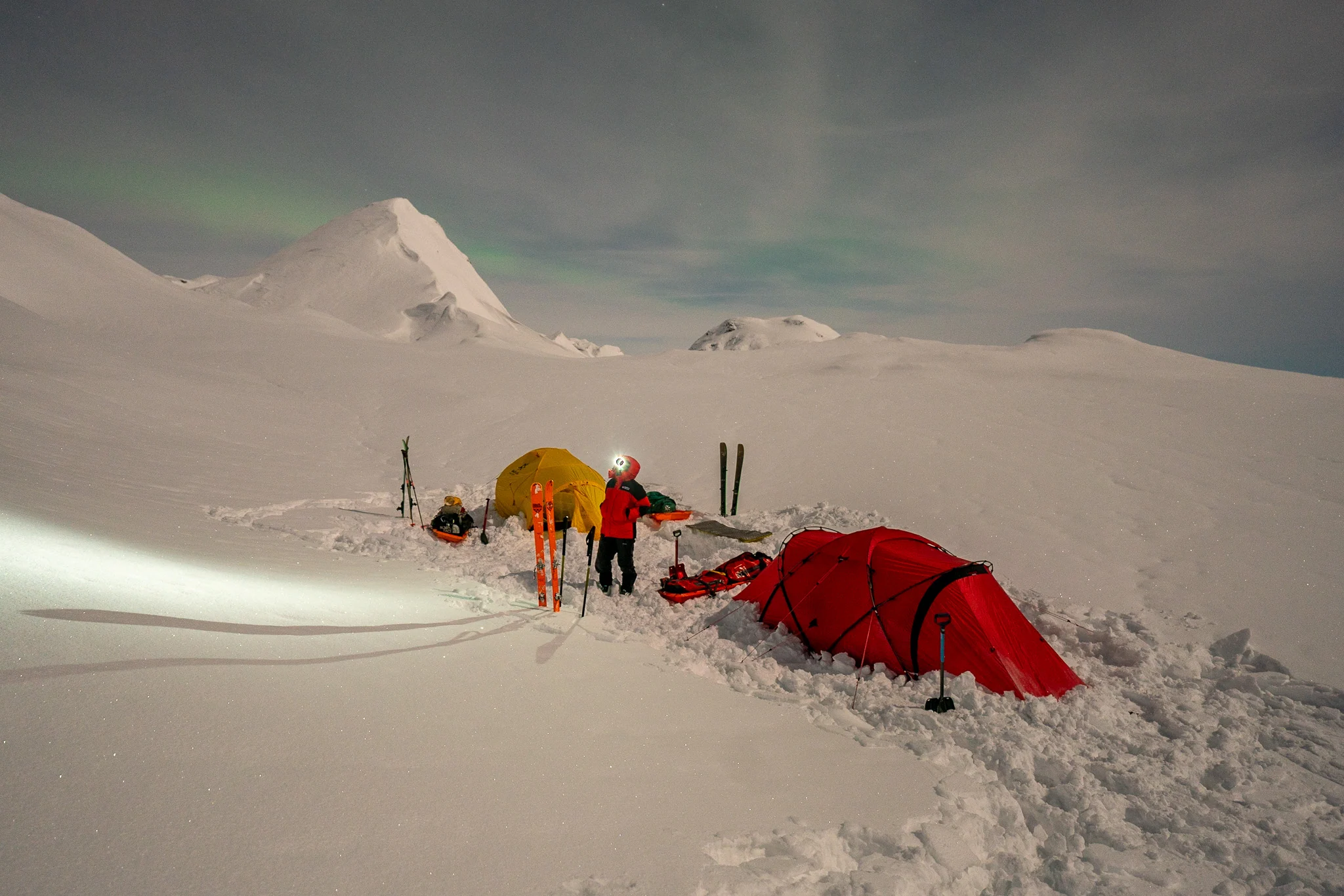
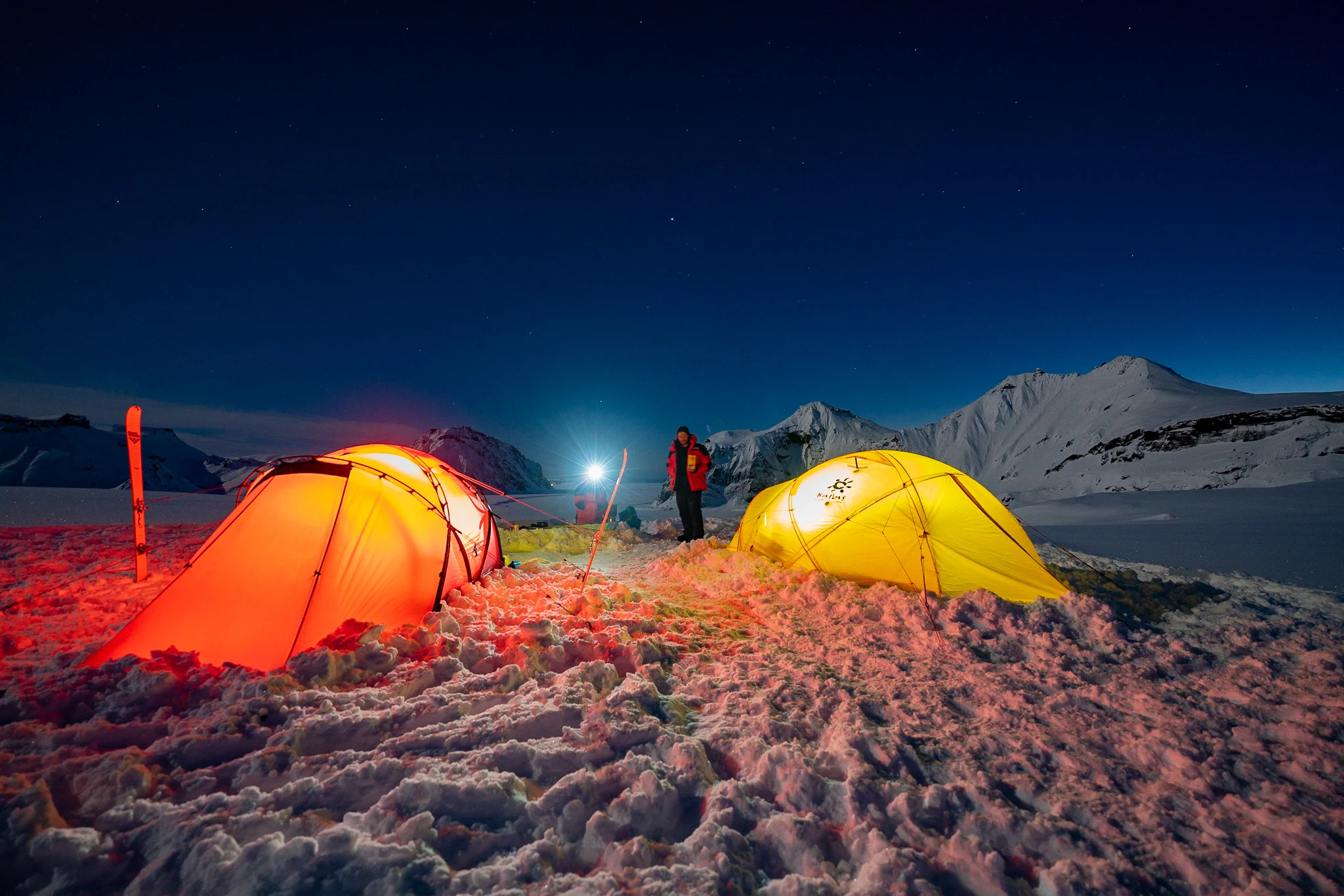
In Iceland’s Highlands the problem ran the other way. Winter days there are short, so the shooting for In Search of Winter carried on after dark by head torch, and the nights became part of the film.
Small crews, everyone shoots
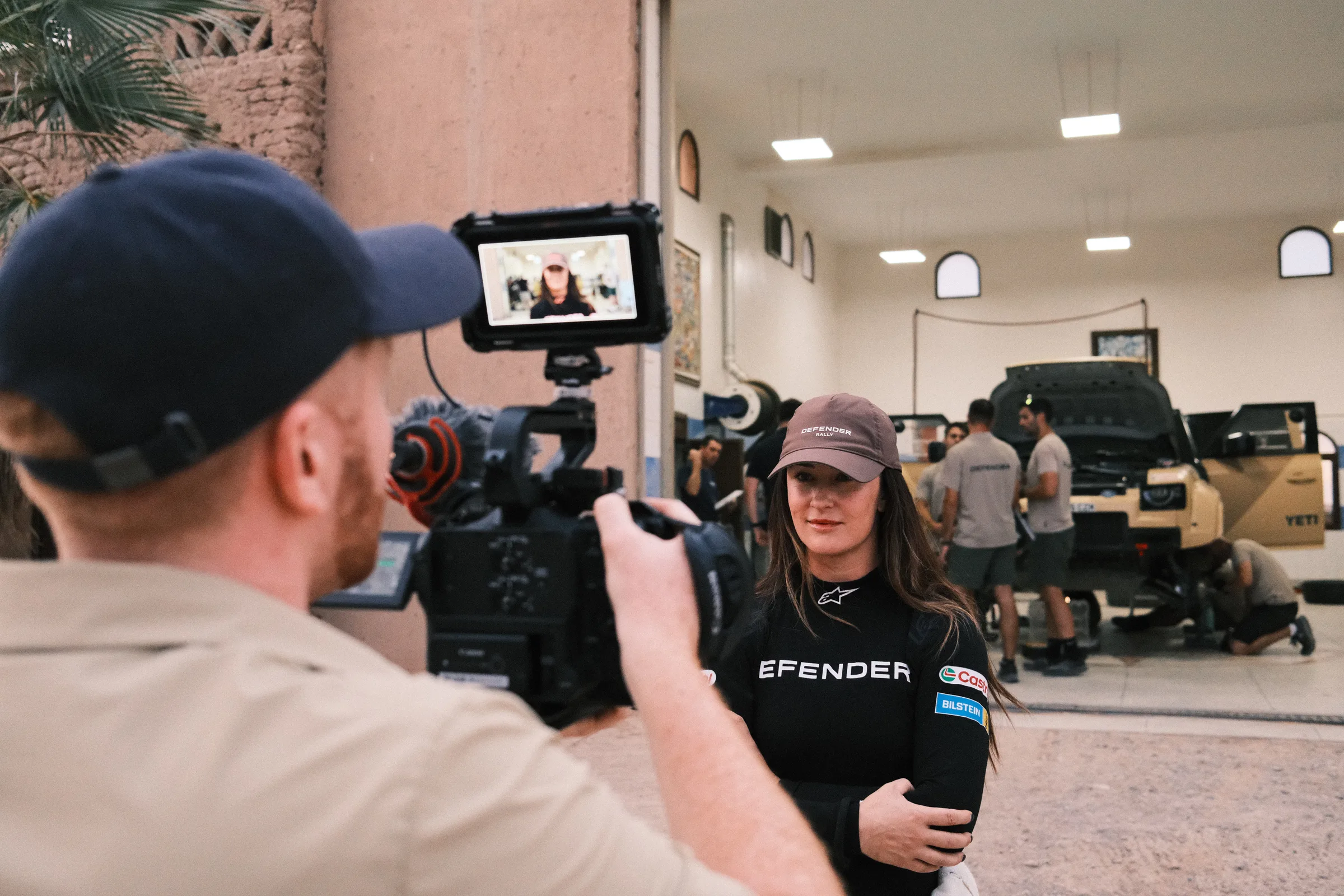
In Morocco the crew was three, and Toby Roney, Matt Bowen and I all shoot stills and film. Testing is reactive: a fault in the first ten kilometres sends a car back to the ramp. So the crew followed the work, not a shot list, and could split or stack in seconds. That only works when everyone can pick up either camera.
On Svalbard I travelled as one of the team, looking after myself in temperatures down to −40°C and taking my turn on polar bear watch. Being able to look after yourself is part of the job. So is being up first: the camera was out before anyone else, to film the camp as it woke.
It’s their day, not yours
The people in front of the camera are rarely cast. On Svalbard the expedition belonged to its guests. They had paid to ski across Svalbard, not to appear in a film, so the camera worked around the group rather than through it. In Morocco, time with the drivers came in the gaps between runs, on their schedule, not ours.
Come back with a library
A trip like this is expensive to repeat, so everything gets made on the same days. True North came back as an 11-minute film, more than 5,000 images, a selects set, a black-and-white series, reels, drone footage and raw clips for 66°North’s social team. In Search of Winter came back as a 21-minute film with English and Icelandic subtitles, more than 30 photographs and 10 reels. Three days in Morocco produced driver interviews, film and 370 edited stills.
The film is what people see first. The library is what the client keeps using long after the premiere.
Mentioned: 66°North True North, 66°North In Search of Winter, Shackleton Made to Move, Shackleton × Defender.
Filed under Notes · Written by Charlie