Why Websites Need Systems, Not Just Pages
A website is a system that real teams have to run. Notes on CMS structure, content models and Webflow builds that hold up.
A website is judged on launch day and lived with for years. Most of what makes it good or bad over those years is decided before anyone designs a page: what the content is, how it is structured, and who has to keep it right.
That is the part clients rarely ask for and nearly always need.
Model the content first
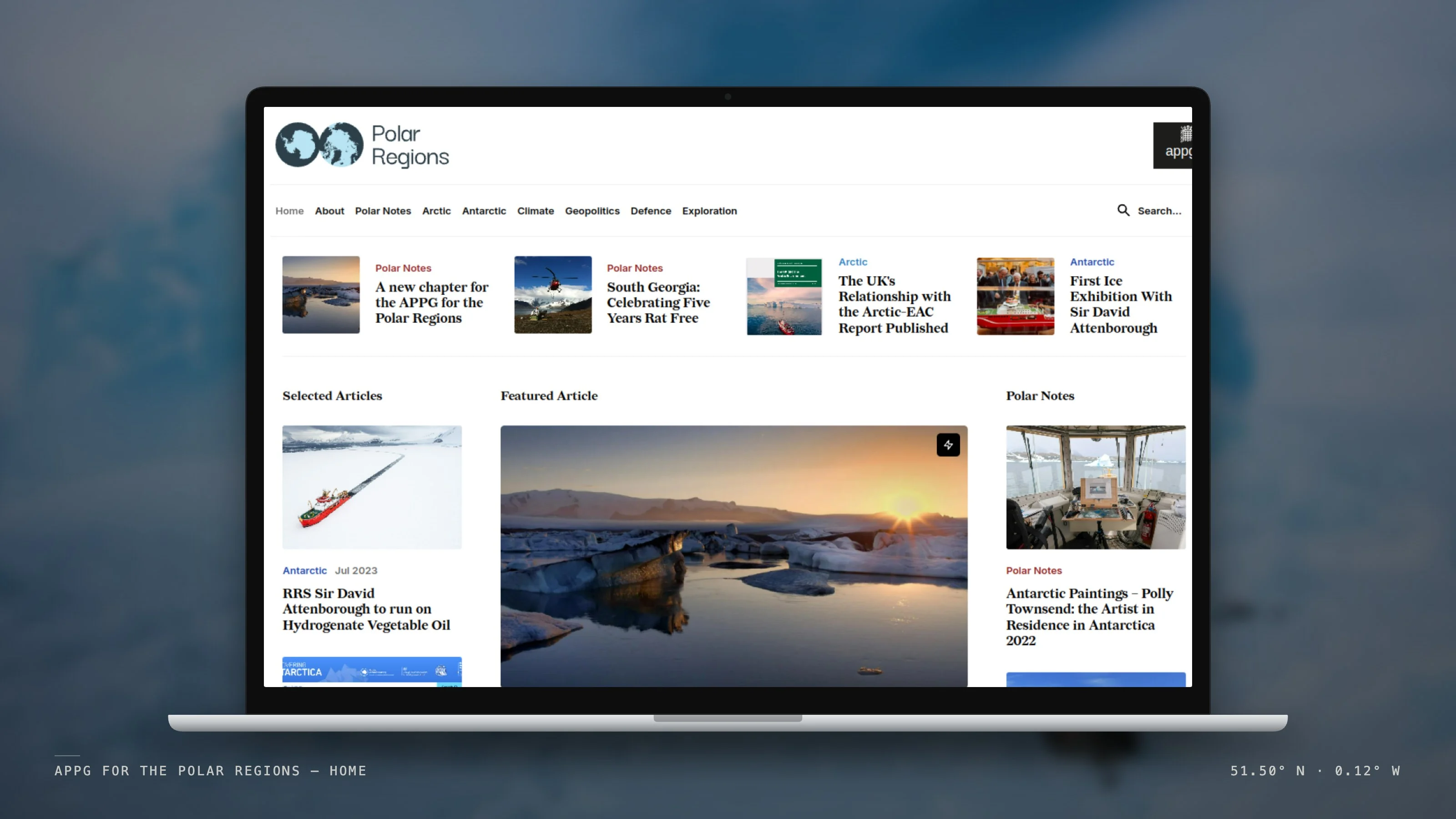
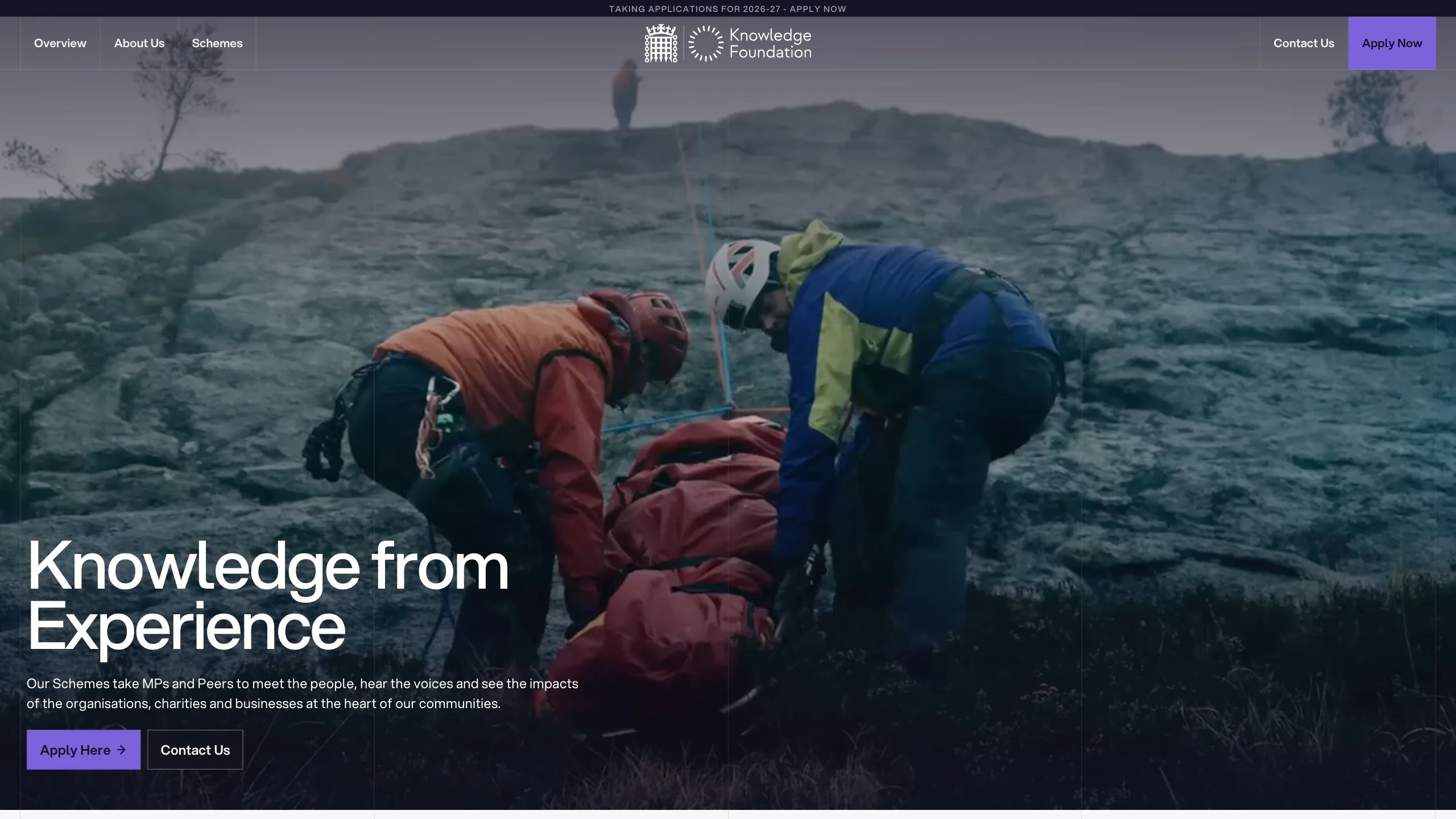
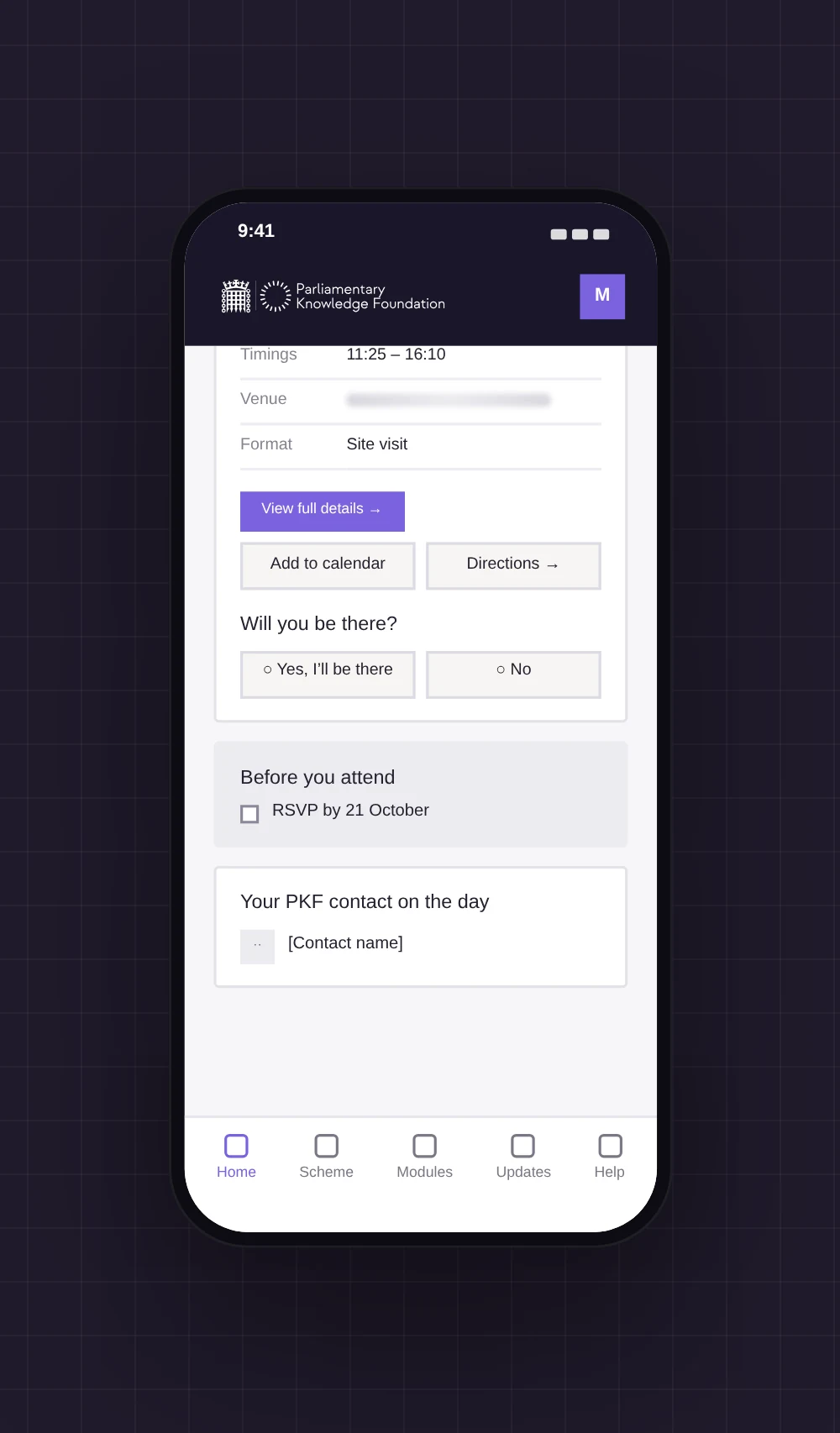
The Parliamentary Knowledge Foundation takes MPs and Peers out of Westminster to see frontline services, industry and nature at first hand. Its schemes, modules and partners change every year, and the team that runs them is small. Built page by page, the site would have needed rebuilding every year.
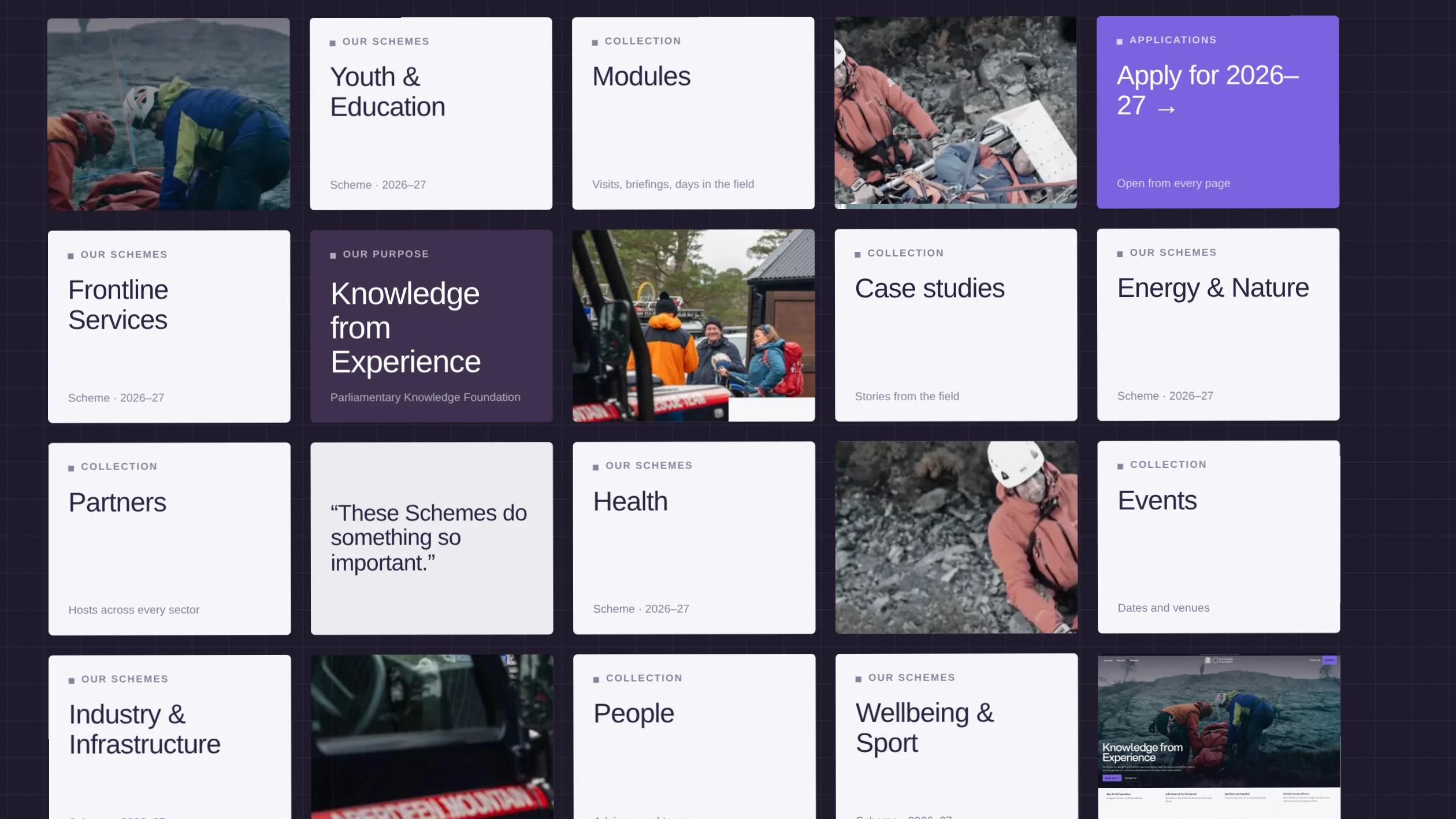
So schemes, modules, case studies, events, people and partners each live in the CMS as their own collection. A new scheme or partner is a new entry, not a new page, and every scheme page comes from the same template. The design followed the model, not the other way round. This site works the same way: the homepage grid, the Work page and its filter all read from one collection of projects.
Structure, not more pages
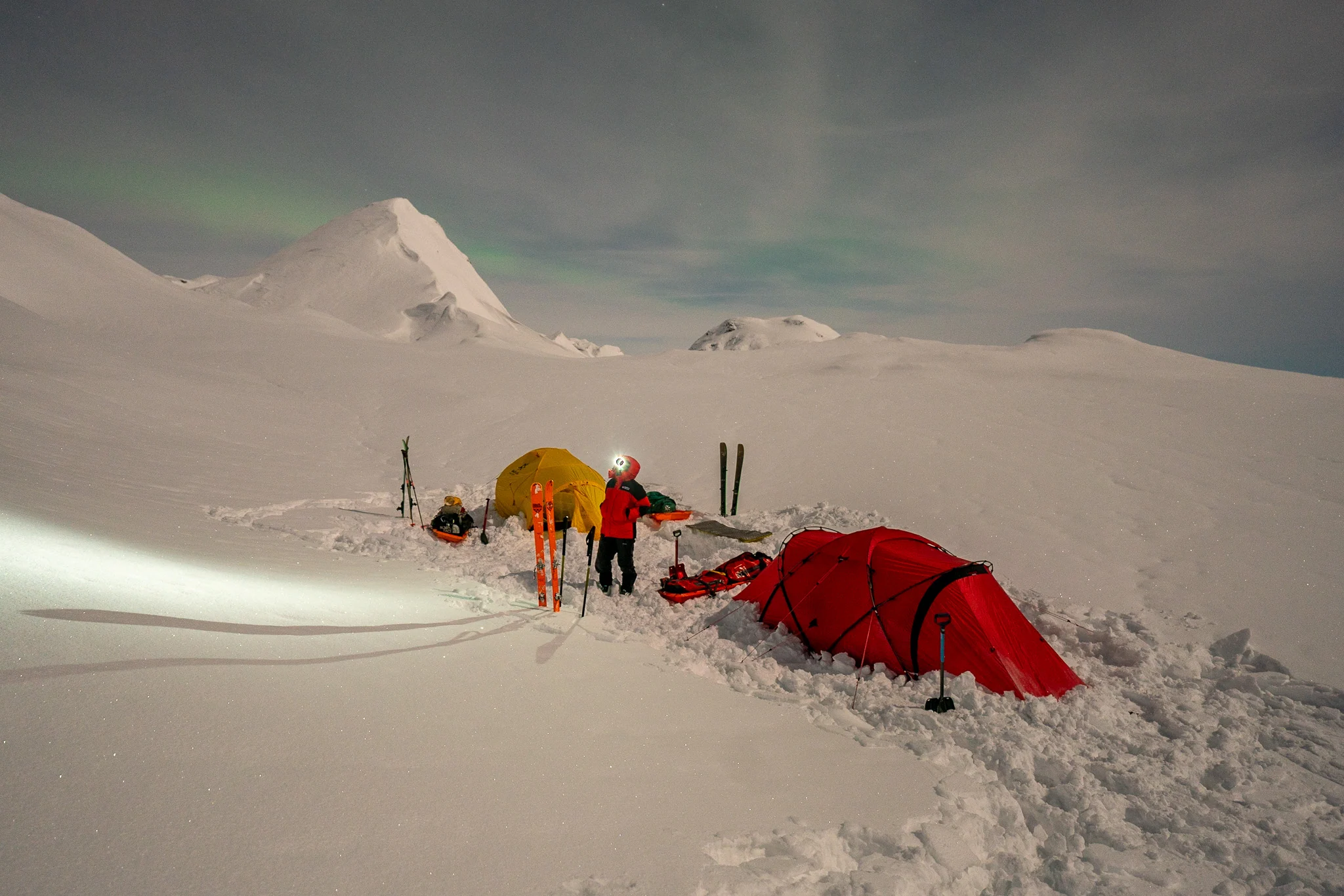
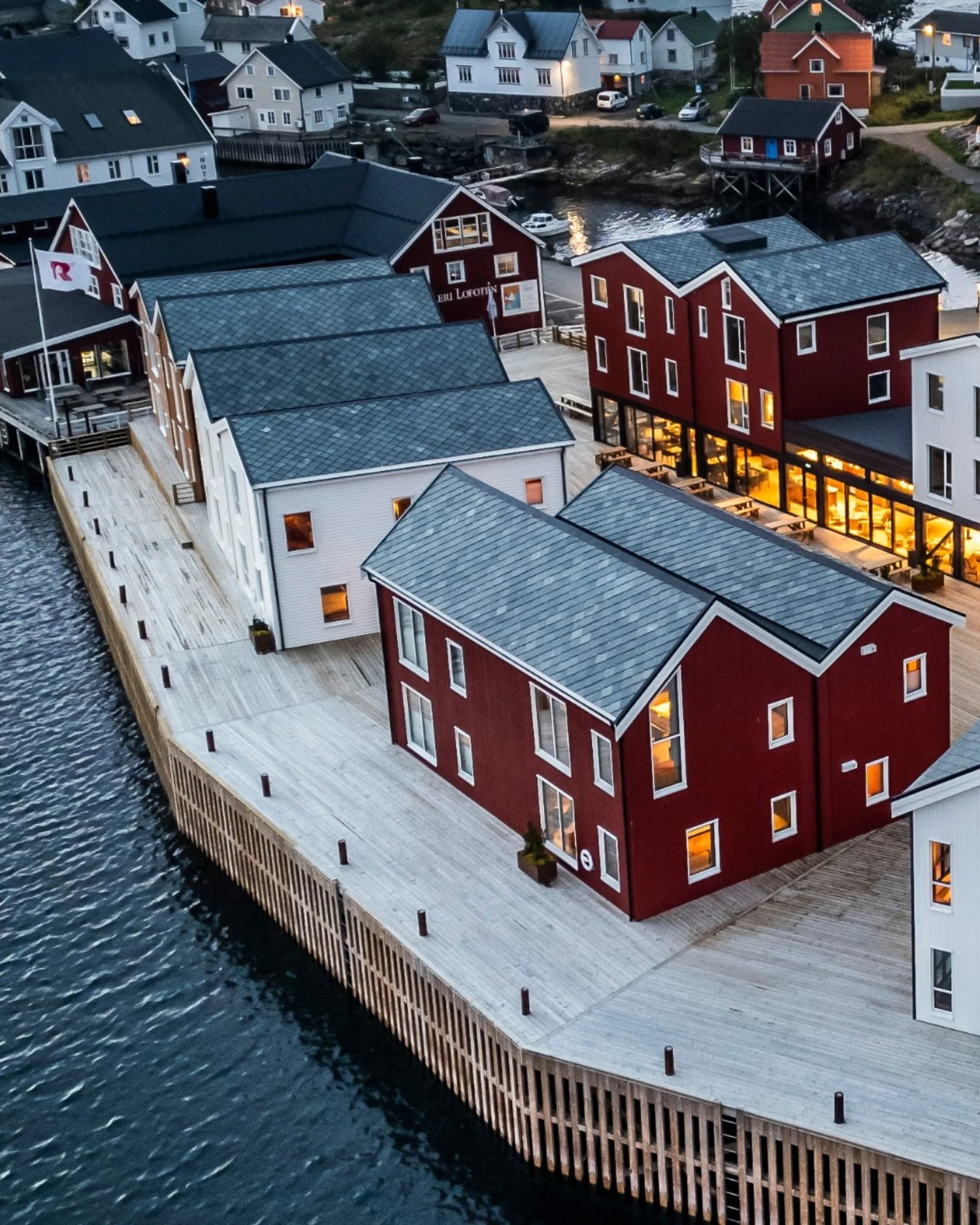
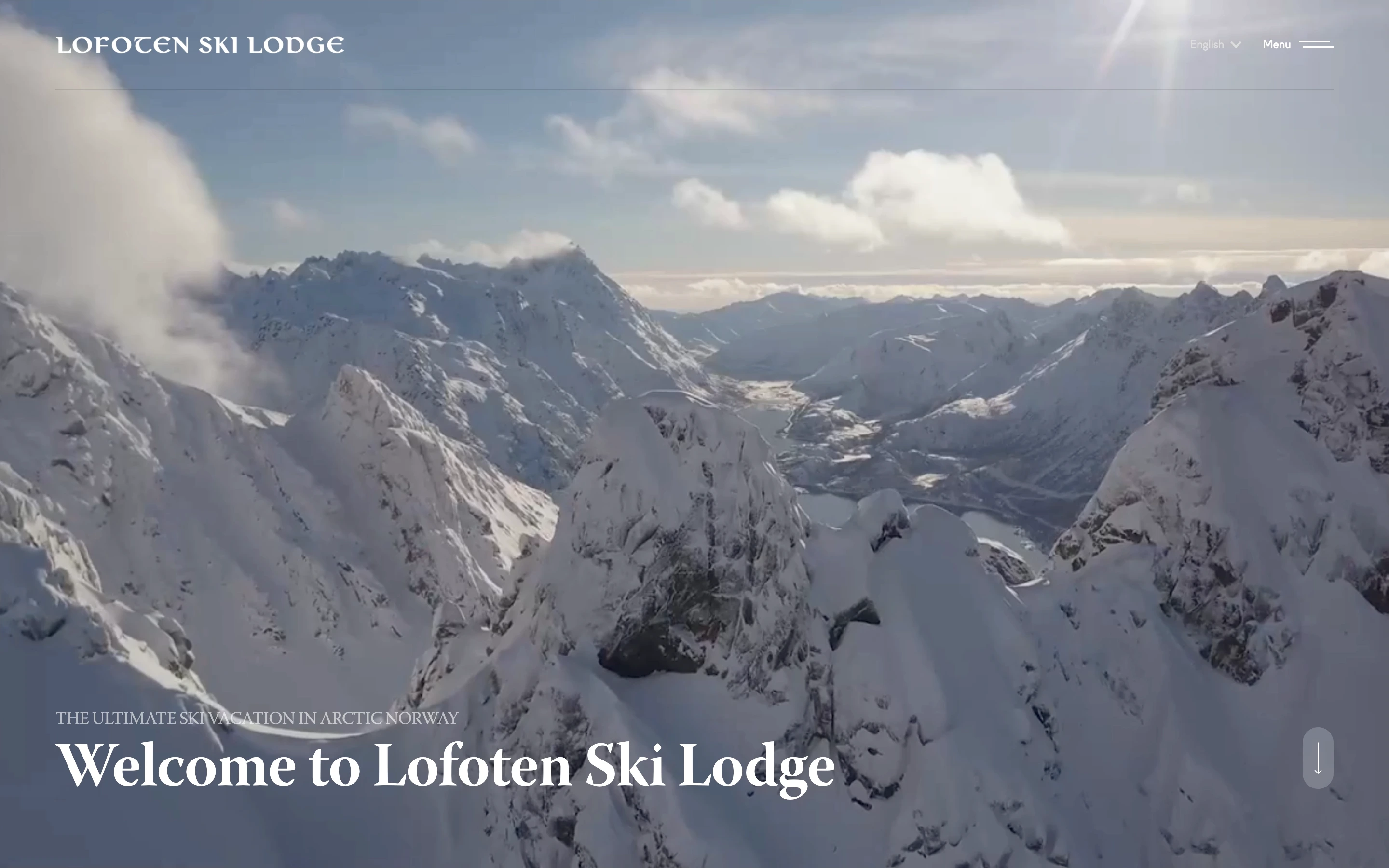
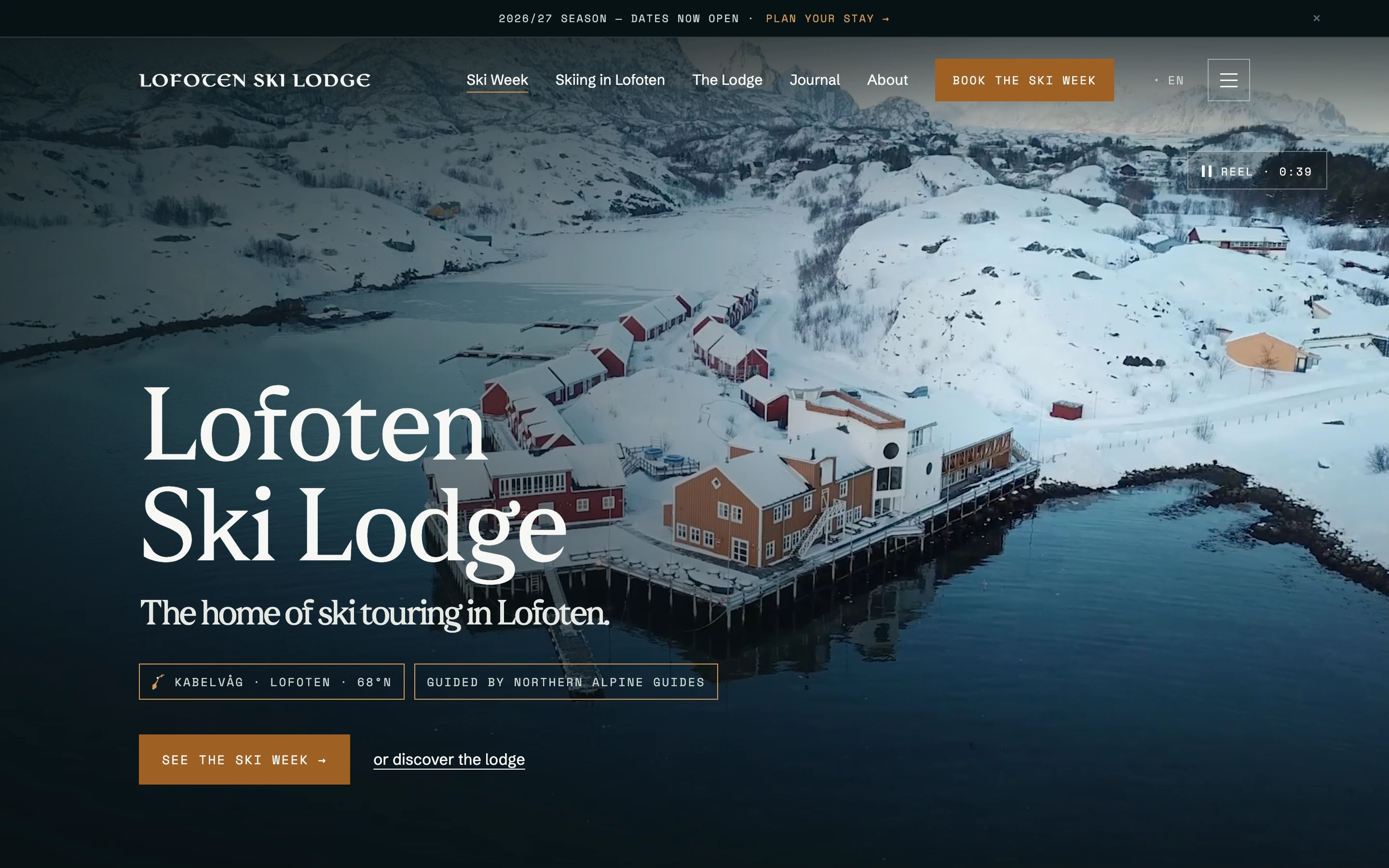
Lofoten Ski Lodge’s first site, which Base Camp built in 2023, shared a template with Northern Alpine Guides, the company that runs it. The lodge read as a section of someone else’s business rather than a place to book in its own right.
The lodge didn’t need more pages. It needed to stop looking like a page on someone else’s site.
The rebuild fixes that with structure. The Ski Week leads as the product, and its format reads the same on every page. Three other ways to stay sit beside it, each with its own page and its own route to an enquiry. Getting Here and Plan Your Stay answer the questions that stop a booking. Behind it are ten collections, in English and Norwegian. The new site is with the lodge for a final copy review before it launches.
Built for the people who run it
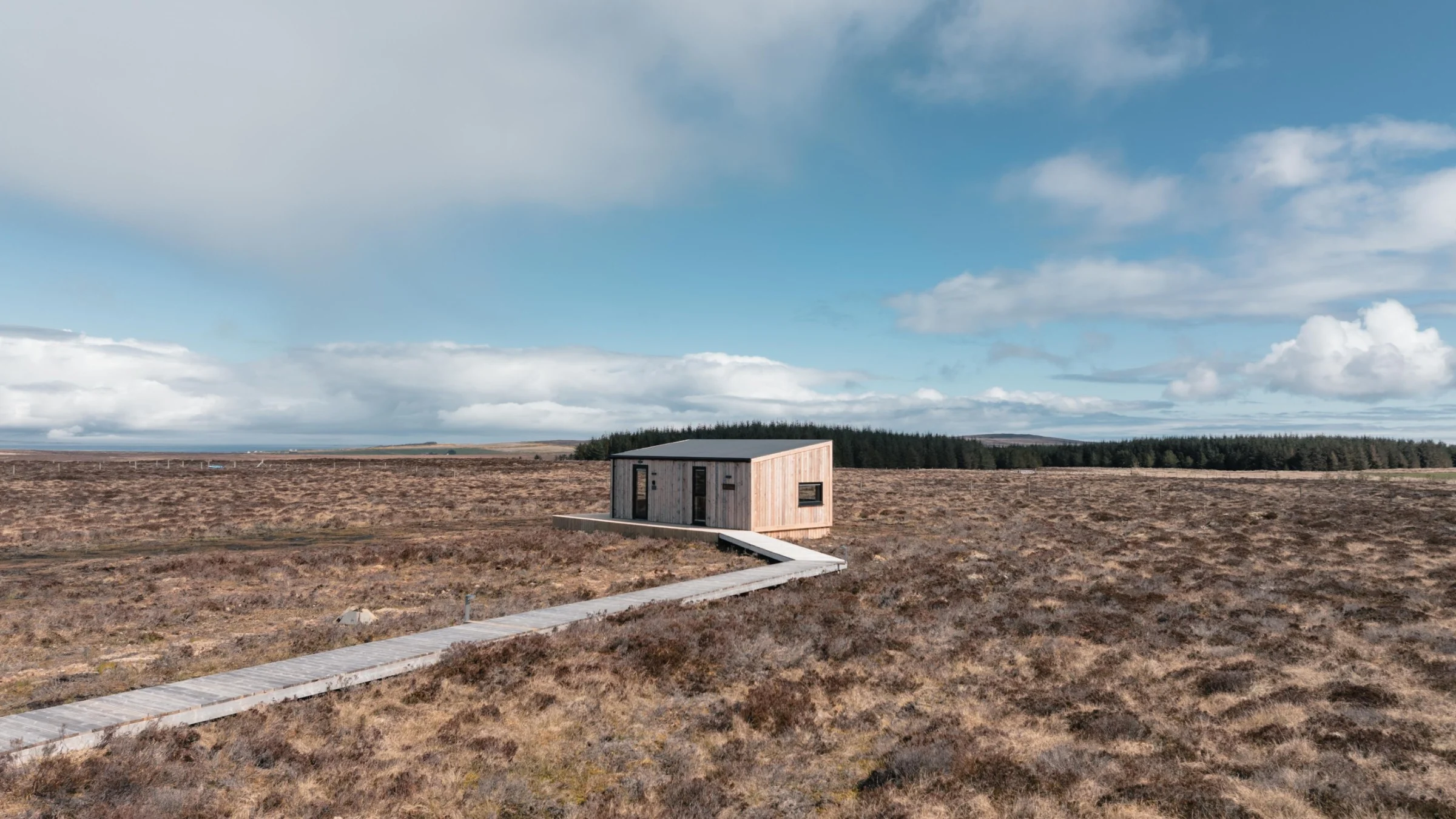
A site is only as current as the people updating it can manage. The Turner Twins have edited their own collections since the first build in 2022, and the site has kept up with each new project since. Lofoten Ski Lodge’s handover came with a handbook for the lodge team. Beyond North’s CMS holds the cabins, journal, reviews and local guide, so the owner changes the facts without touching the layout.
Some systems need a gate as well as a structure. PKF’s members’ portal reads from a publication layer in Notion, never from the team’s working databases, and holds every change as a draft until someone publishes it. Members get one considered update instead of a stream of edits. That is a content model too: deciding what can change, who can change it, and when it reaches people.
Search is structural
Being found works the same way. Titles and descriptions come from the CMS, not from memory. Journals are written to answer what guests ask before they book. In October 2026 a conversion and search round added a page for the night before the ferry, a review feed and a price-match promise to Beyond North.
The real test of a website isn’t launch day. It is the first time the client adds something without calling us, and the site still looks as if it was designed that way.
Mentioned: Parliamentary Knowledge Foundation, Lofoten Ski Lodge, The Turner Twins, Beyond North.
Filed under Notes · Written by Charlie