Planning a brand film somewhere difficult
Plan a remote shoot backwards from what the brand needs and forwards from the conditions. Eight steps, from Svalbard, Iceland, Eryri and the Sahara.
Plan a brand film in a remote place backwards from what the brand needs and forwards from the conditions. Start with an idea that can survive a change of plan. List every deliverable before the shot list. Pick the weather window before the location, go with people who know the place, and keep the crew small enough to move. Agree the sensitive things in advance, and plan the release before you leave.
These are the steps we follow, drawn from films for 66°North on Svalbard and in Iceland, and for Shackleton in Eryri and the Moroccan desert. Notes on Field Production tells what happened on those shoots. This piece is about the planning that came first.
1. Write an idea, not a shot list
A treatment for a remote shoot has to survive the trip going wrong, so it should be an idea rather than a list of shots. Made to Move's treatment set one idea: one jacket, one continuous weekend, many kinds of movement. In Search of Winter began with a proposal just as short: go looking for real winter in Iceland's interior, with people who know it, and let the kit prove itself along the way.
A line like that tells everyone what to point the camera at when the plan falls apart. When the Shackleton × Defender retail samples missed the flight, the idea still held: two teams working in the same place on the same problem. So the shoot followed the real field test instead.
2. List the deliverables first
The deliverables decide the crew, the kit and the days, so write them down before anything else. For Morocco the plan was a 60–90 second hero film, short social films, stills and driver interviews. In Search of Winter was planned as a 21-minute film with English and Icelandic subtitles, more than 30 photographs and 10 reels. True North added a black-and-white series, drone footage and raw clips for 66°North's social team.
Everything on that list is cheaper to make on the trip than to go back for. If the brand will want verticals for social, a portrait set or interviews for the press, plan them now.
3. Choose the window, then the place
In remote places the conditions make the film, so fix the time of year and the hours of light first. In Search of Winter needed the depth of winter, so it went for a week to the Highlands around Landmannalaugar, where the days are short. The shooting carried on after dark by head torch.
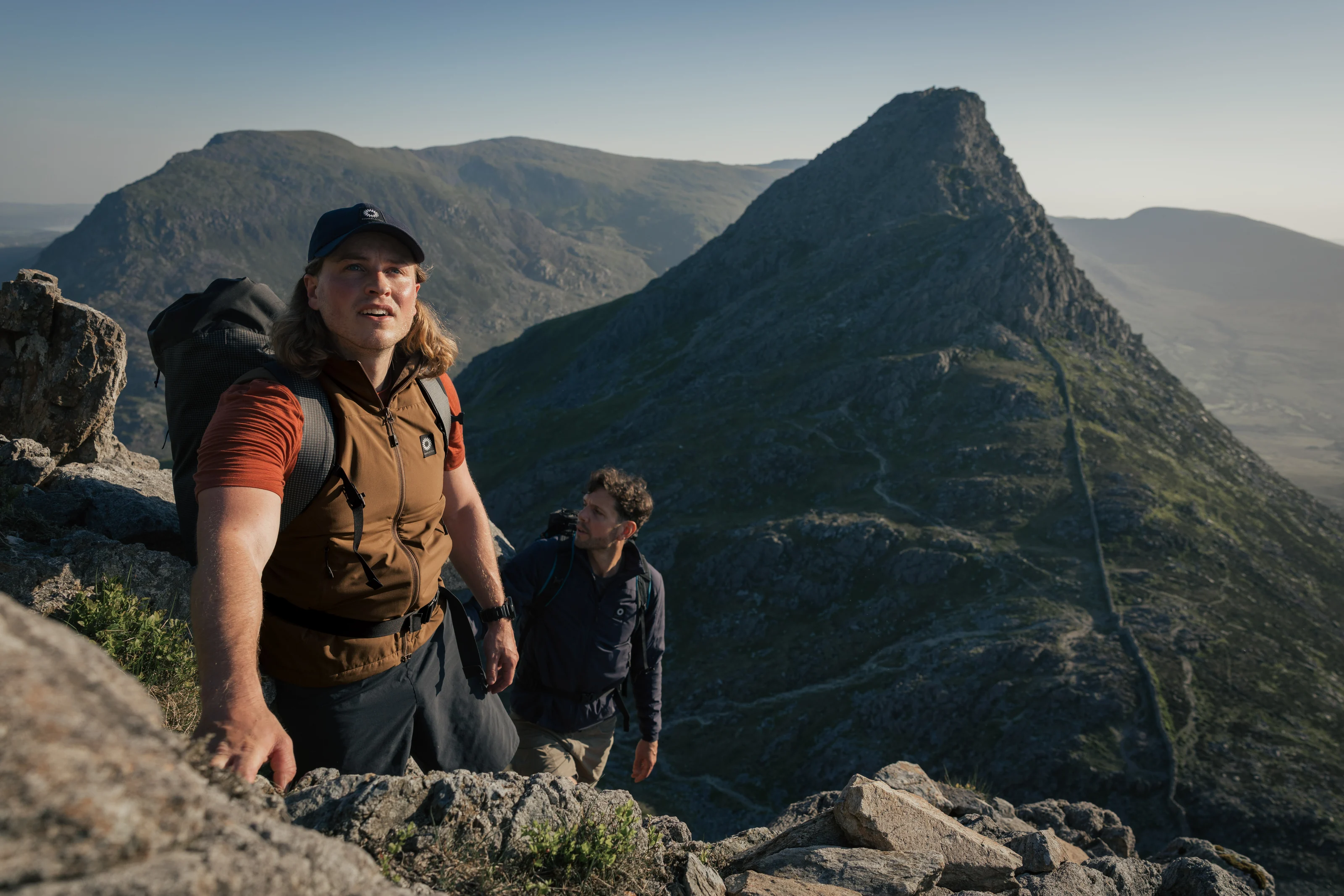
On a short shoot, put the locations in the order of the light. Made to Move had five locations in forty-eight hours, and record heat forecast for the first day. The insulation went up Bristly Ridge for sunrise while the air was cool. The waterproof went to Aber Falls at noon, and the gilet to Newborough's pines and dunes into golden hour.
4. Go with people who know the place
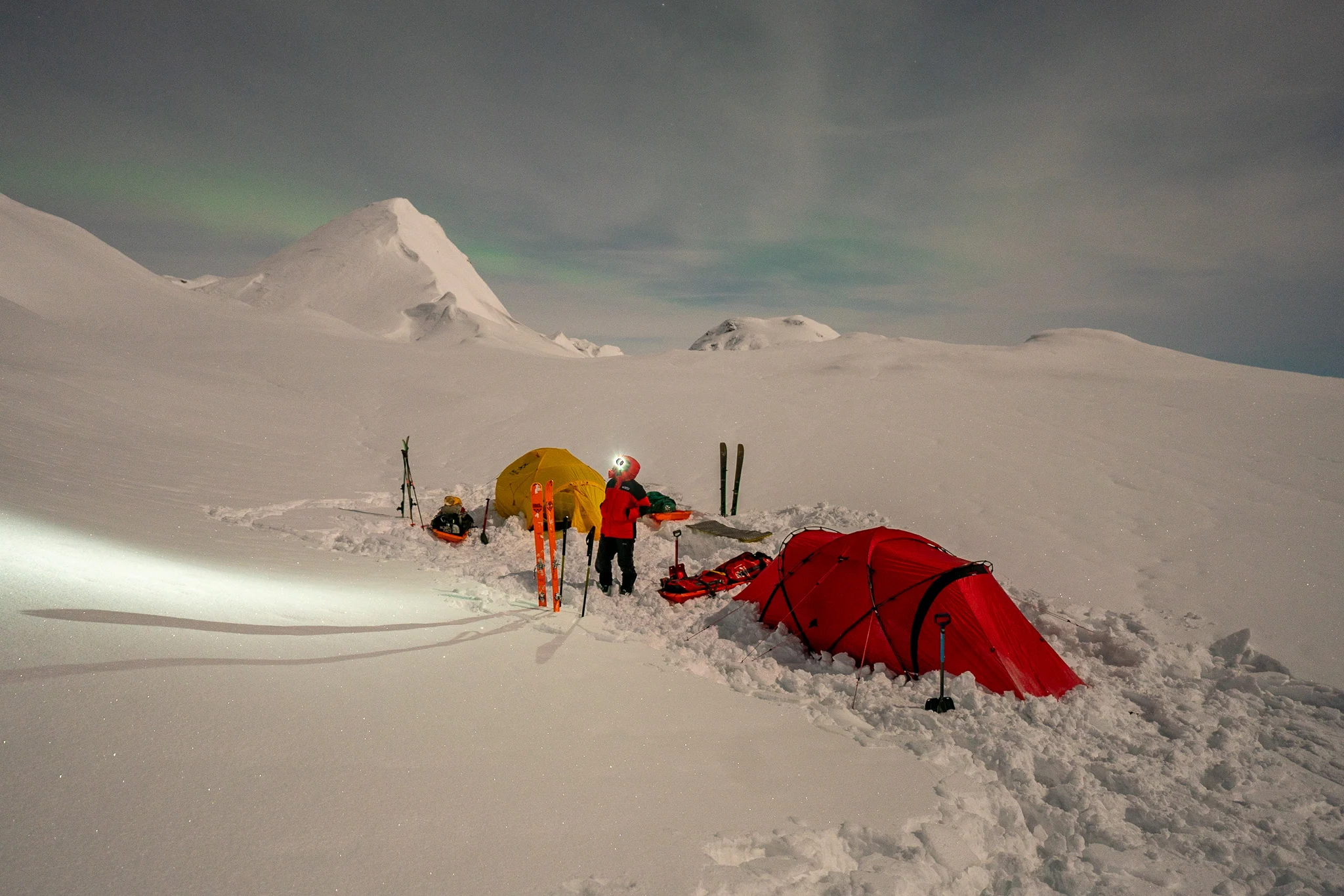
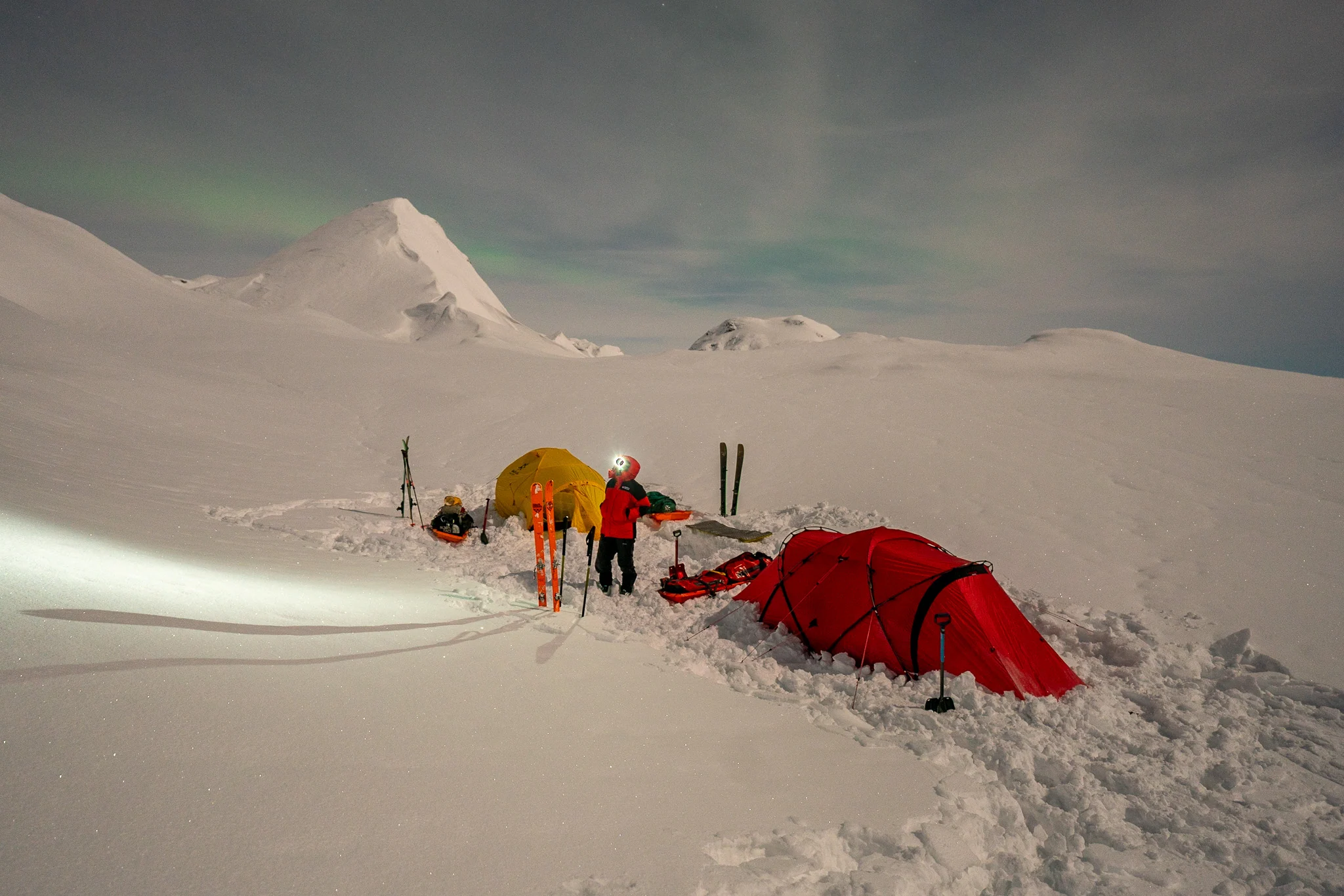
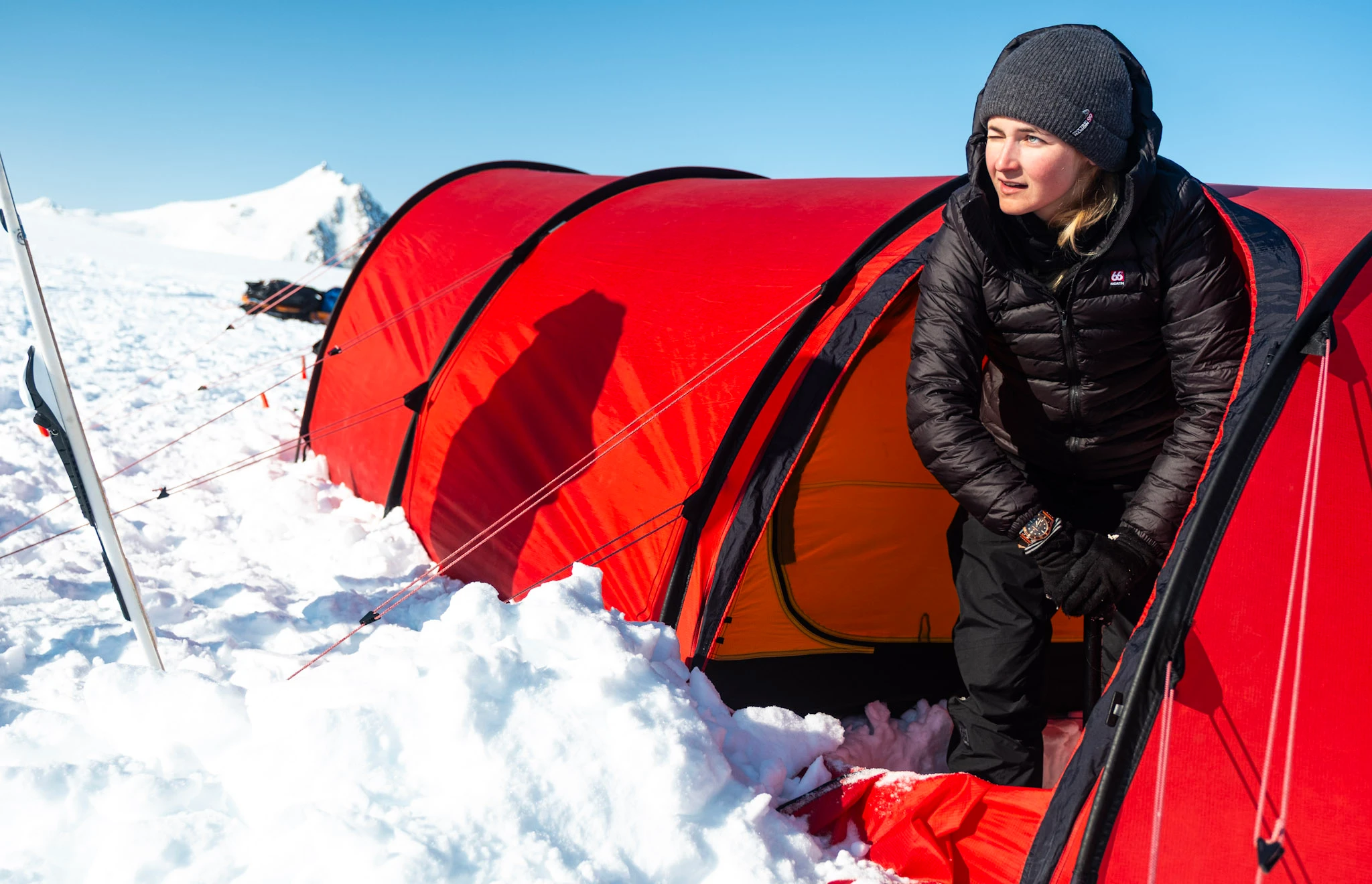
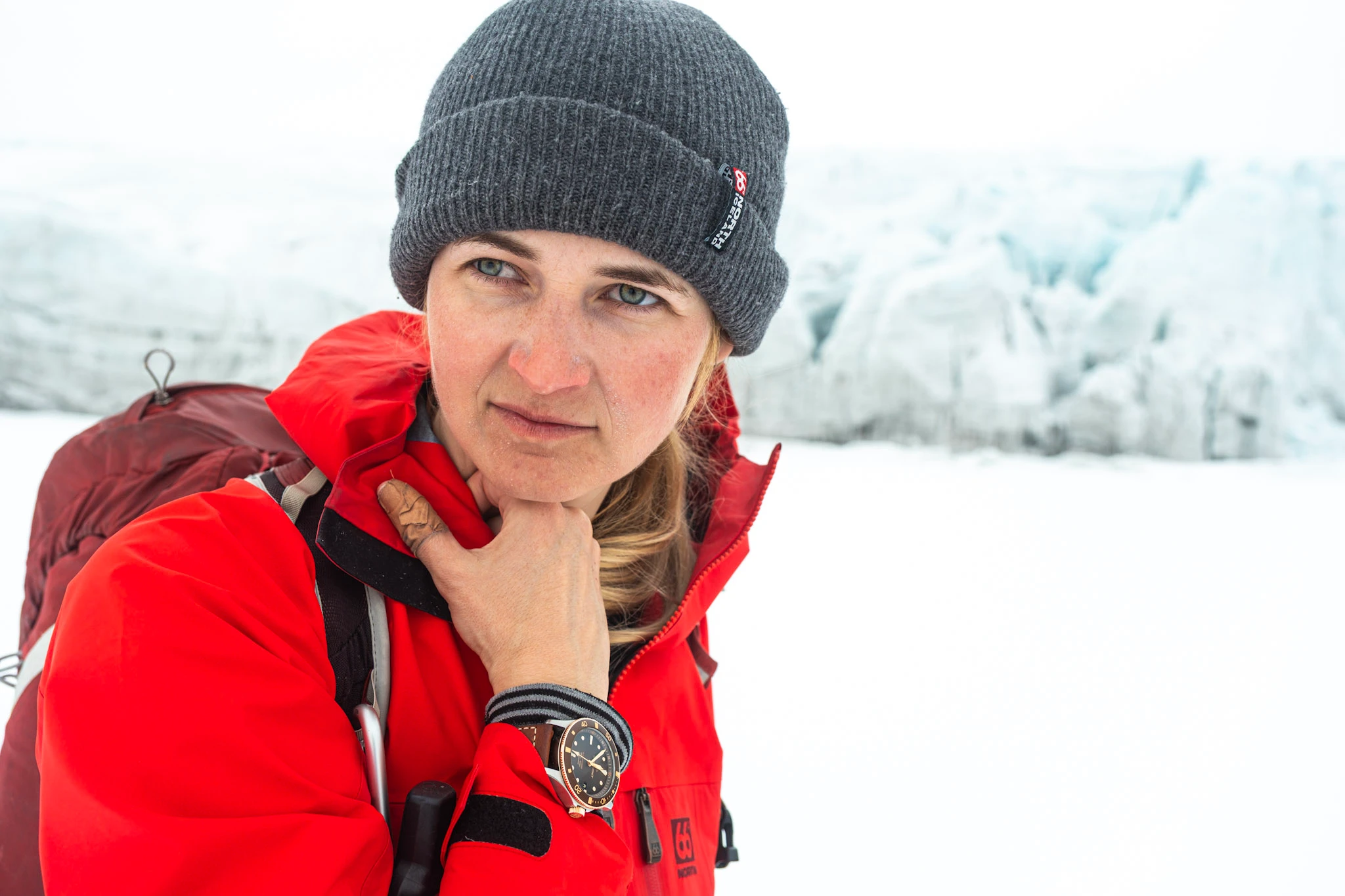
The best access to a difficult place is through people who already work there. True North travelled with a ski expedition Lucy Shepherd was guiding for Turgleder, so the film rode on a trip that was happening anyway. In Search of Winter went with Lucy and 66°North's Siggi Bjarni Sveinsson. In Morocco, the shoot ran to the Defender Rally team's own test programme out of Erfoud.
Local people bring the route, the safety plan and the judgement about when to turn back. They also bring the rules. The Governor of Svalbard requires anyone travelling outside the settlements to carry suitable means of scaring off polar bears (Sysselmesteren). On True North, the crew took its turn on bear watch.
5. Keep the crew small, and make everyone shoot
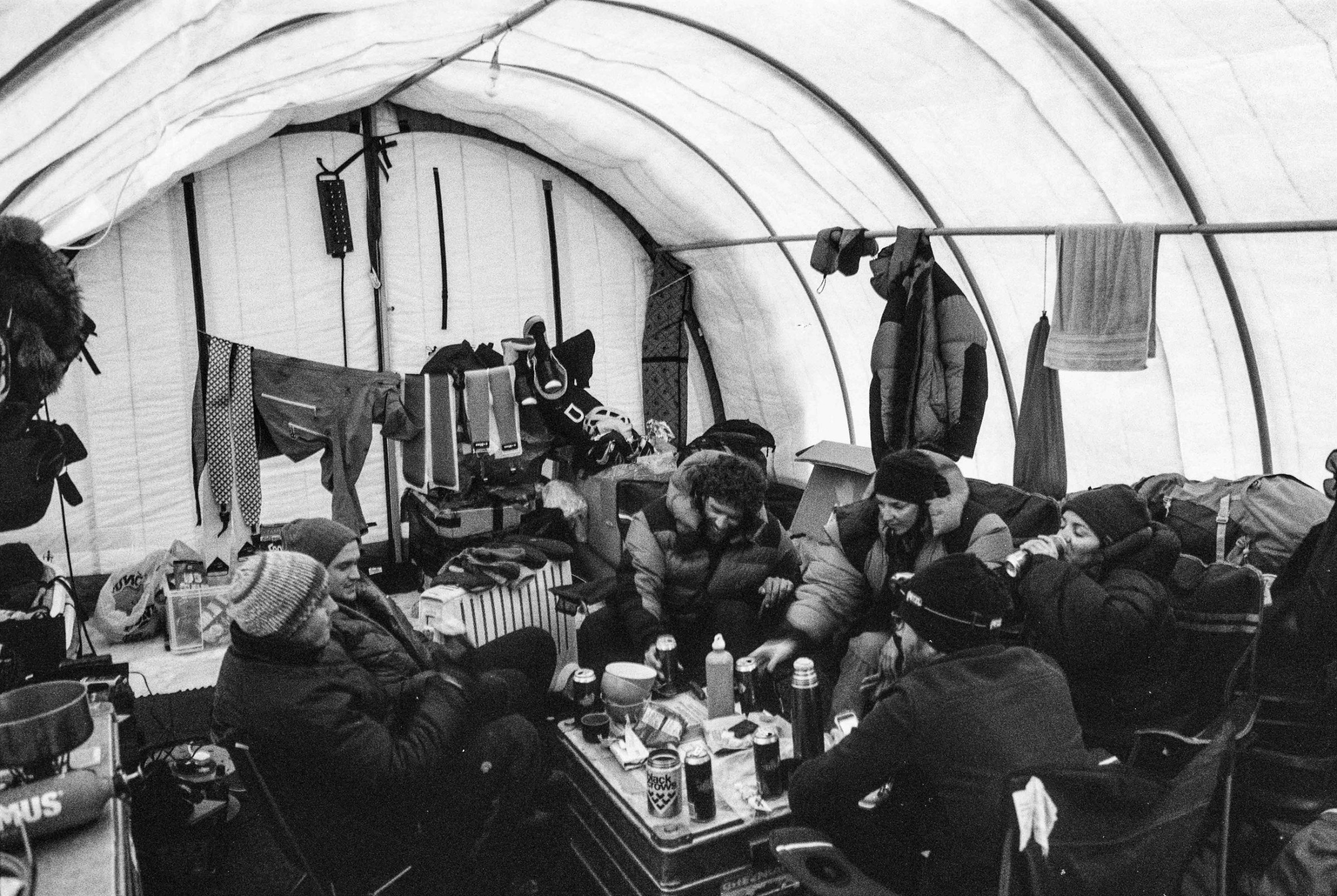
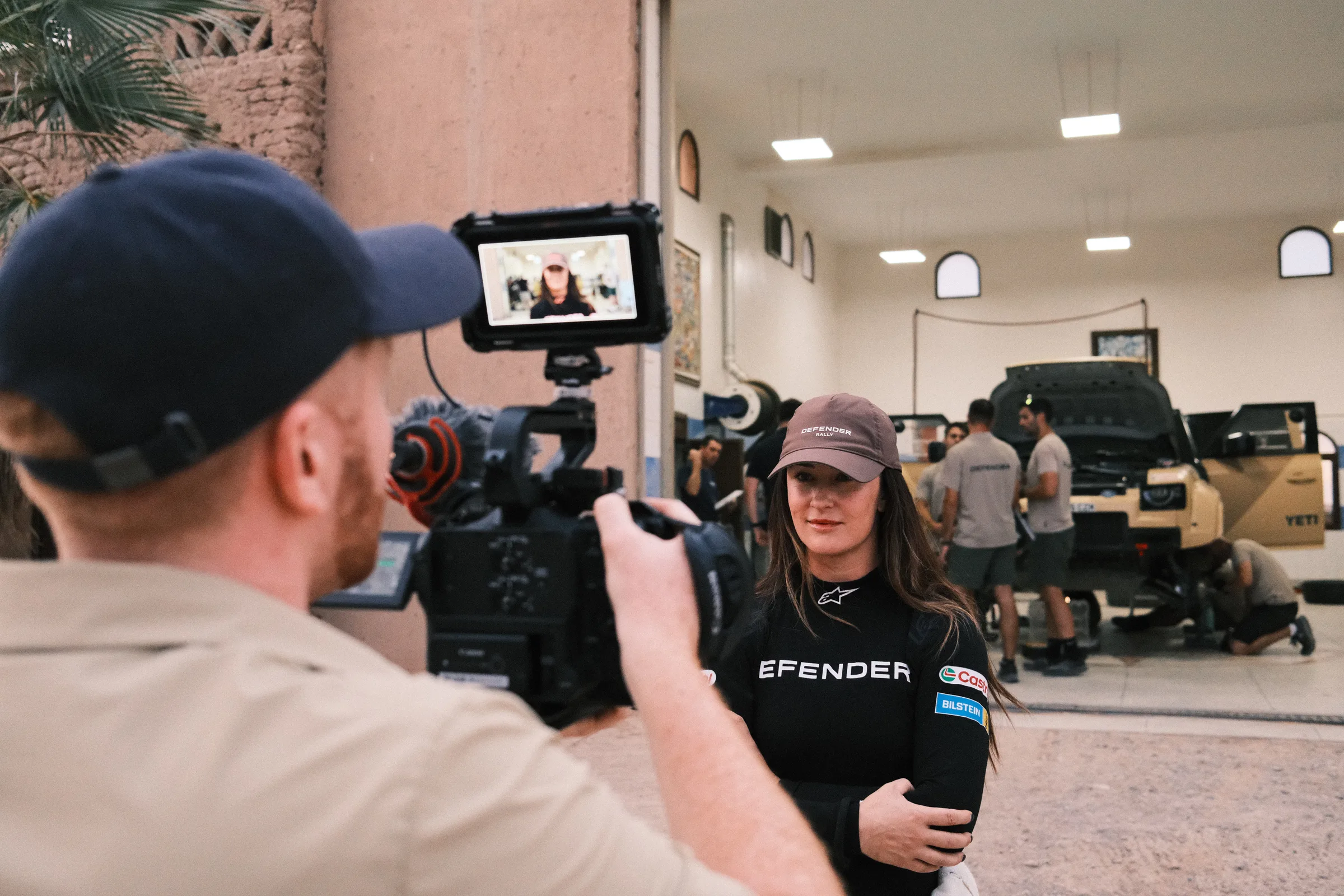
A remote location limits how many people it can carry, feed and keep safe. In Morocco the crew was three, and Toby Roney, Matt Bowen and I all shoot stills and film. Testing is reactive, so the crew followed the work and could split or stack in seconds.
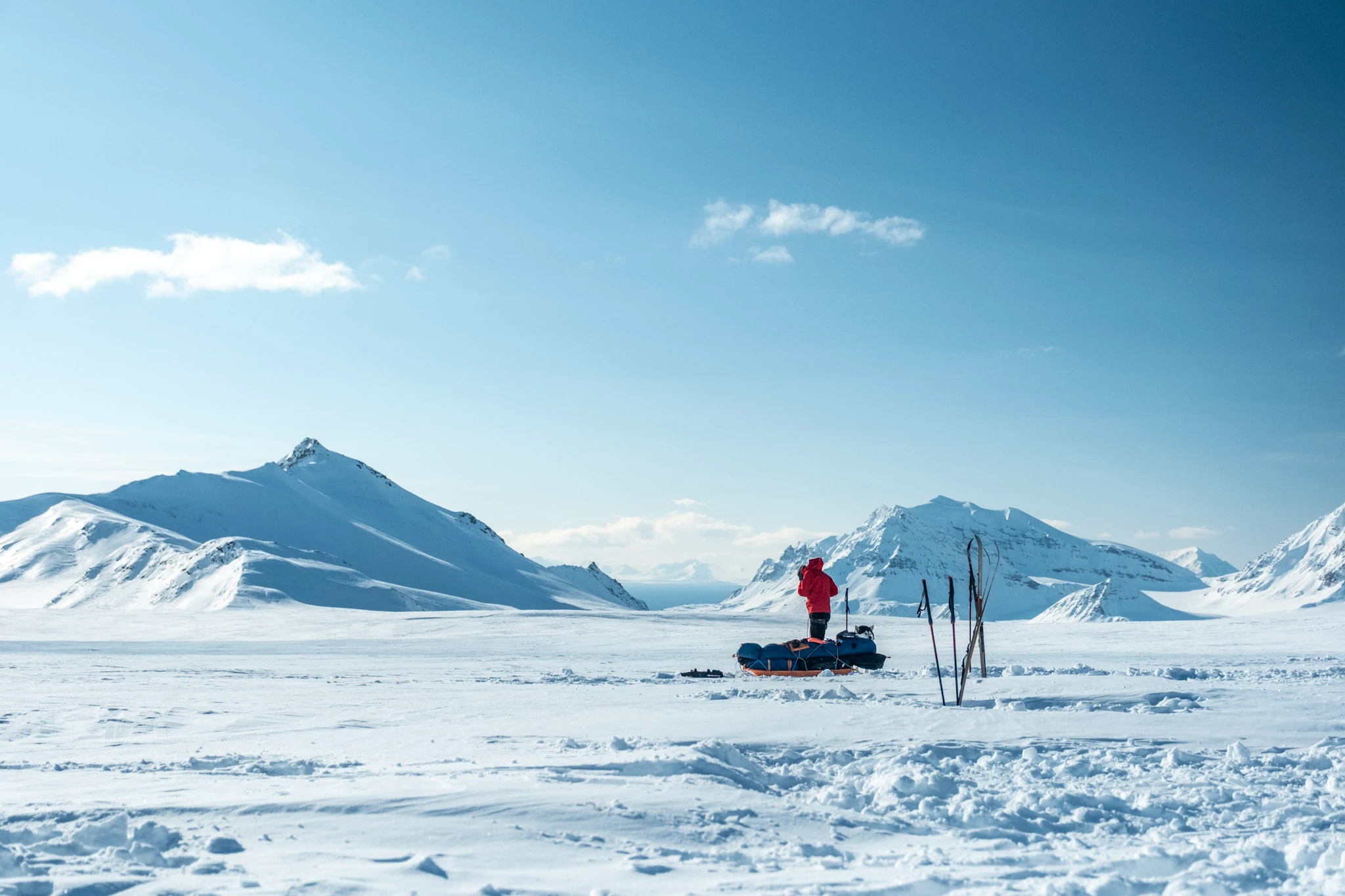
Some trips need even fewer. On True North, I directed, filmed and photographed, travelling as one of the team in temperatures down to −40°C, and Lucy filmed herself at my direction. Choose crew who can look after themselves first.
6. Write the fallback into the plan
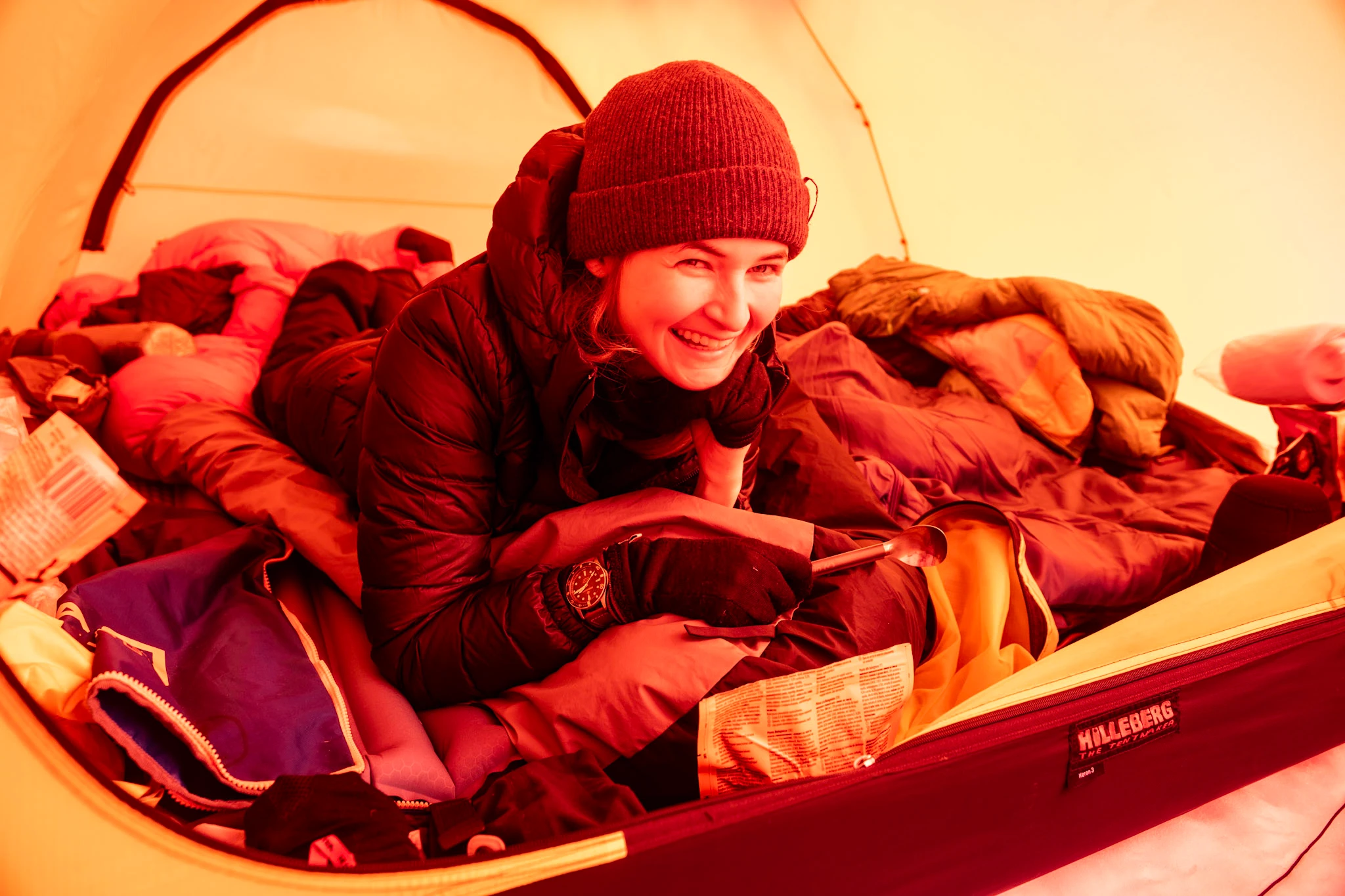
Assume something will slip. A week before Morocco, the factory slipped and the retail kit wasn't going to arrive. True North's expedition didn't go to plan either, and the film became the story of Lucy herself.
Before you go, write one line on what the film becomes if the main subject falls through. Ask what else is true in this place, with these people. Book a spare day where you can. Make sure the client has agreed in advance that the film may follow the story.
7. Agree the sensitive things before you travel
Interviews, people and permissions are slow to sort out on location. In Morocco, the questions for the drivers grew from Shackleton's values (Courage, Capability and Care) and were agreed with Defender's press team first: nothing about fatigue, nothing that asked a car past its limit. On Made to Move, talent releases were part of pre-production, not an afterthought.
The same goes for land, airspace and anyone in shot. Ask landowners and park authorities whether you need filming permission. In the UK, a drone of 100g or more needs a Flyer ID, and one of 250g or more, or 100g or more with a camera, also needs an Operator ID (CAA). We're not lawyers, so check the rules for each country you shoot in.
8. Plan the release before you leave
A film needs somewhere to land, and the date shapes the edit. Plan the premiere, the channels and the follow-up alongside the shoot.
- Shackleton × Defender. Shot: three days, September 2026, Erfoud and Merzouga. Released: due early 2027. Hero film and social cuts in the edit; 370 edited stills.
- Shackleton, Made to Move. Shot: 26–27 May 2026, Eryri and Anglesey. Released: 11 June 2026. Range and campaign launch, a journal feature on shackleton.com, launch emails.
- 66°North, True North. Shot: spring 2025, Svalbard. Released: 8 October 2025. Premiere at 66°North Regent Street, YouTube the same day, a second push in November.
- 66°North, In Search of Winter. Shot: a week around Landmannalaugar, winter 2023. Released: March 2024. A 21-minute film on YouTube, in English and Icelandic.
Made to Move went from shoot to launch in about two weeks. True North took months, and opened with Lucy in conversation with Tinuke Oyediran at the Regent Street premiere.
Before you go: a checklist
- A one-line idea that still works if the subject changes
- Every deliverable listed, with formats and lengths
- The weather window and the hours of light, then the locations in light order
- Local guides or partners, and their safety plan
- A crew the place can carry, each able to shoot stills and film
- A written fallback, a spare day and the client's agreement to both
- Interview questions, releases, location and drone permissions agreed
- A release plan: date, premiere, channels, follow-up
Questions people ask
How big a crew does a remote brand film need?
As small as the deliverables allow. Our remote shoots have run with one to three crew, plus talent, with everyone able to shoot both stills and film.
Can you shoot stills and film on the same trip?
Yes, and on a remote shoot you should. Plan both into the deliverables and crew for it.
What happens if the weather fails?
Build the schedule around the forecast, keep a spare day where you can, and write a fallback story before you leave. Bad weather is often the film.
Do I need permission to film in a national park or with a drone?
Often. Check with the landowner and the park authority, and register drones with the aviation authority of each country you fly in.
How long from shoot to release?
It depends on the edit and the launch. Made to Move took about two weeks; True North about six months.
Mentioned: 66°North True North, 66°North In Search of Winter, Shackleton Made to Move, Shackleton × Defender. What happened on the day: Notes on Field Production.
Filed under Notes · Written by Charlie
Planning a film somewhere difficult?
Tell us where, when and what the brand needs from it. We'll help shape the idea, the plan and the crew.
Charlie reads every brief and replies himself