How to brief a photographer for an outdoor brand
The most useful line in a photography brief is usually the one that says what the brand is not. A one-page brief, from real shoots.
A good photography brief for an outdoor brand fits on a page and does five things. It says what the brand is not. It names the conditions to shoot in. It lists the frames the business will actually use. It says where each image will live and at what shape. And it settles people, rights and credit before anyone travels. The most useful line is usually the negative one.
What follows is how we brief shoots for cabins, farms, apparel brands and expeditions, with the briefs and the pictures that came back.
Start with what the brand is not
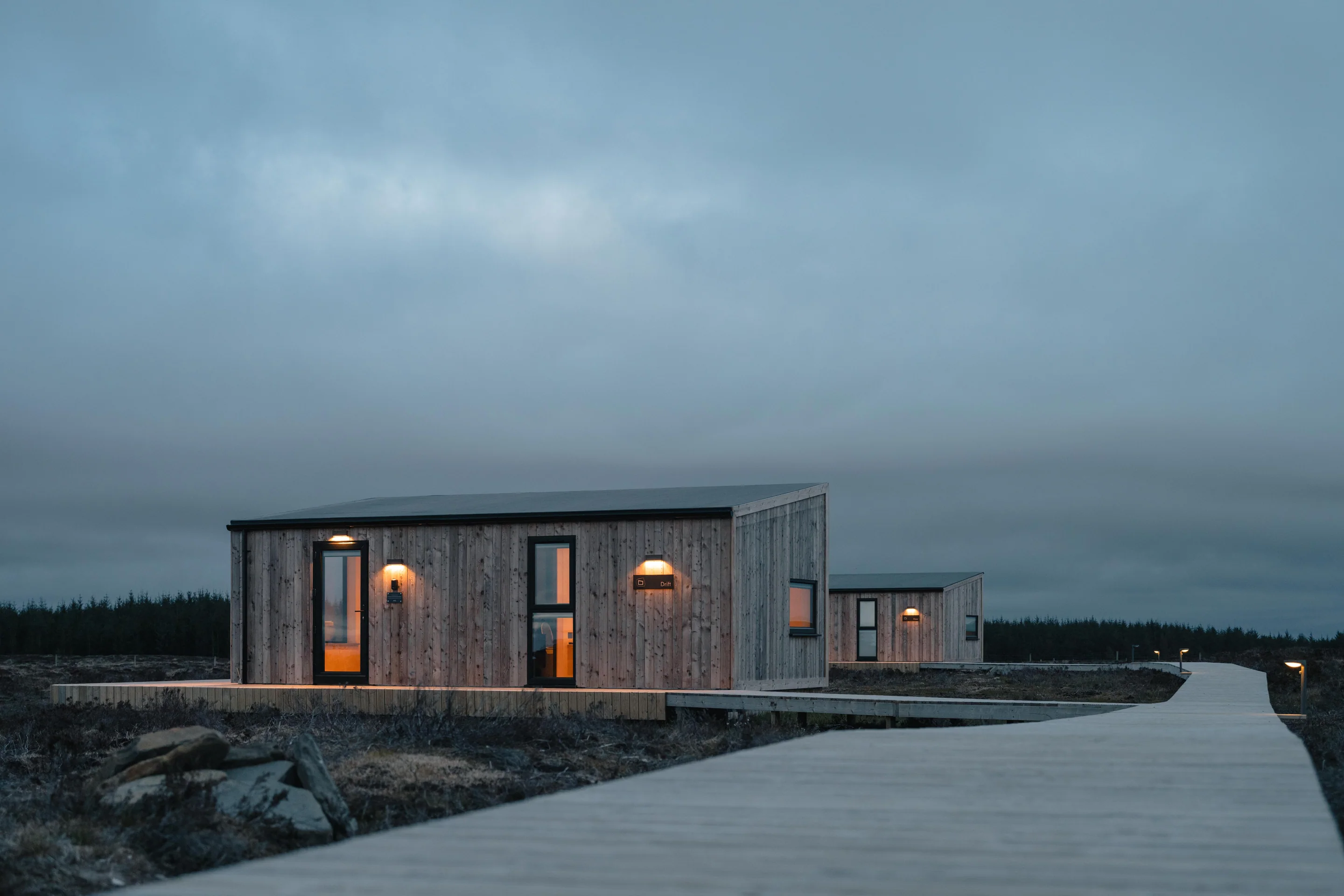
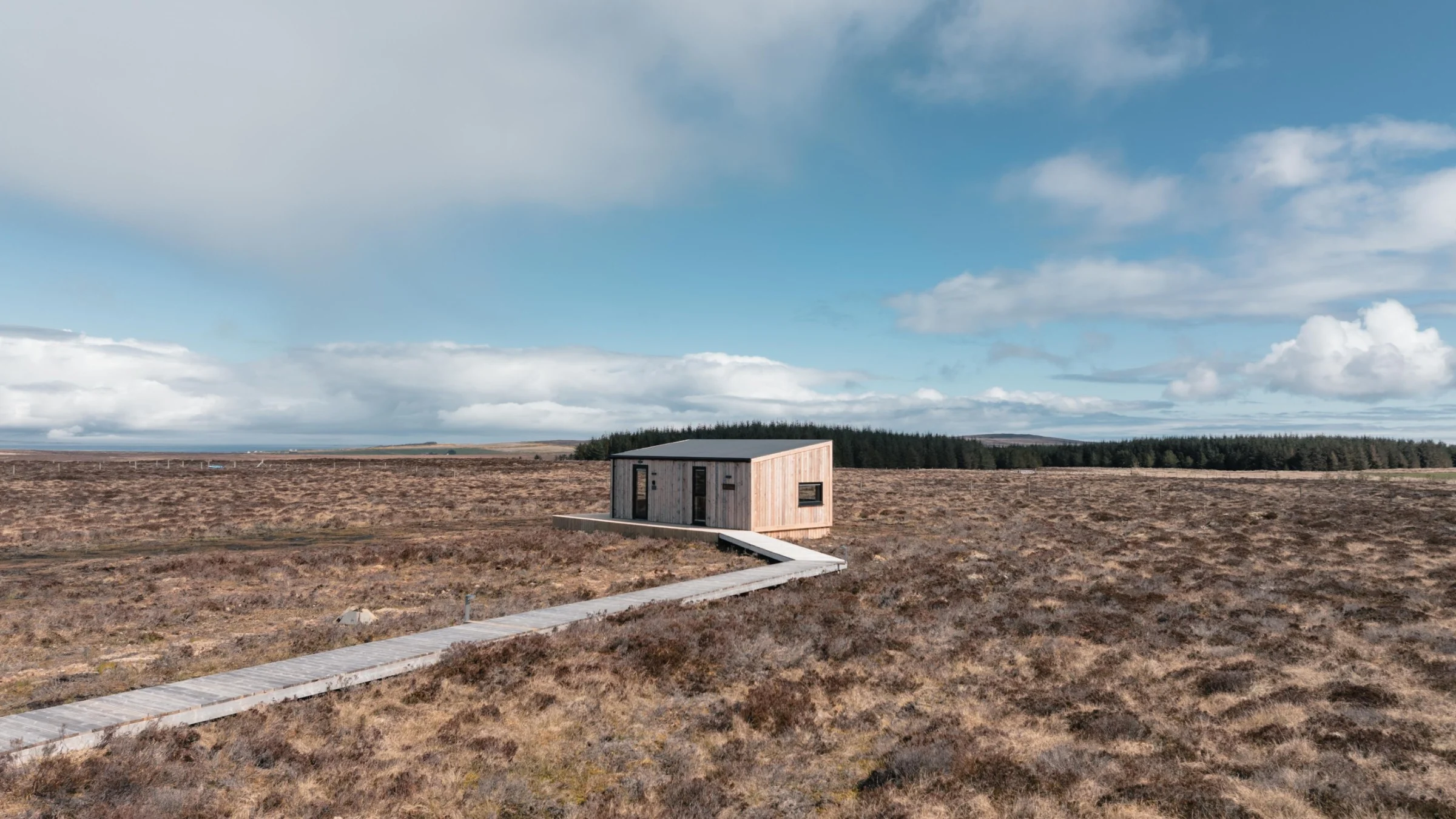
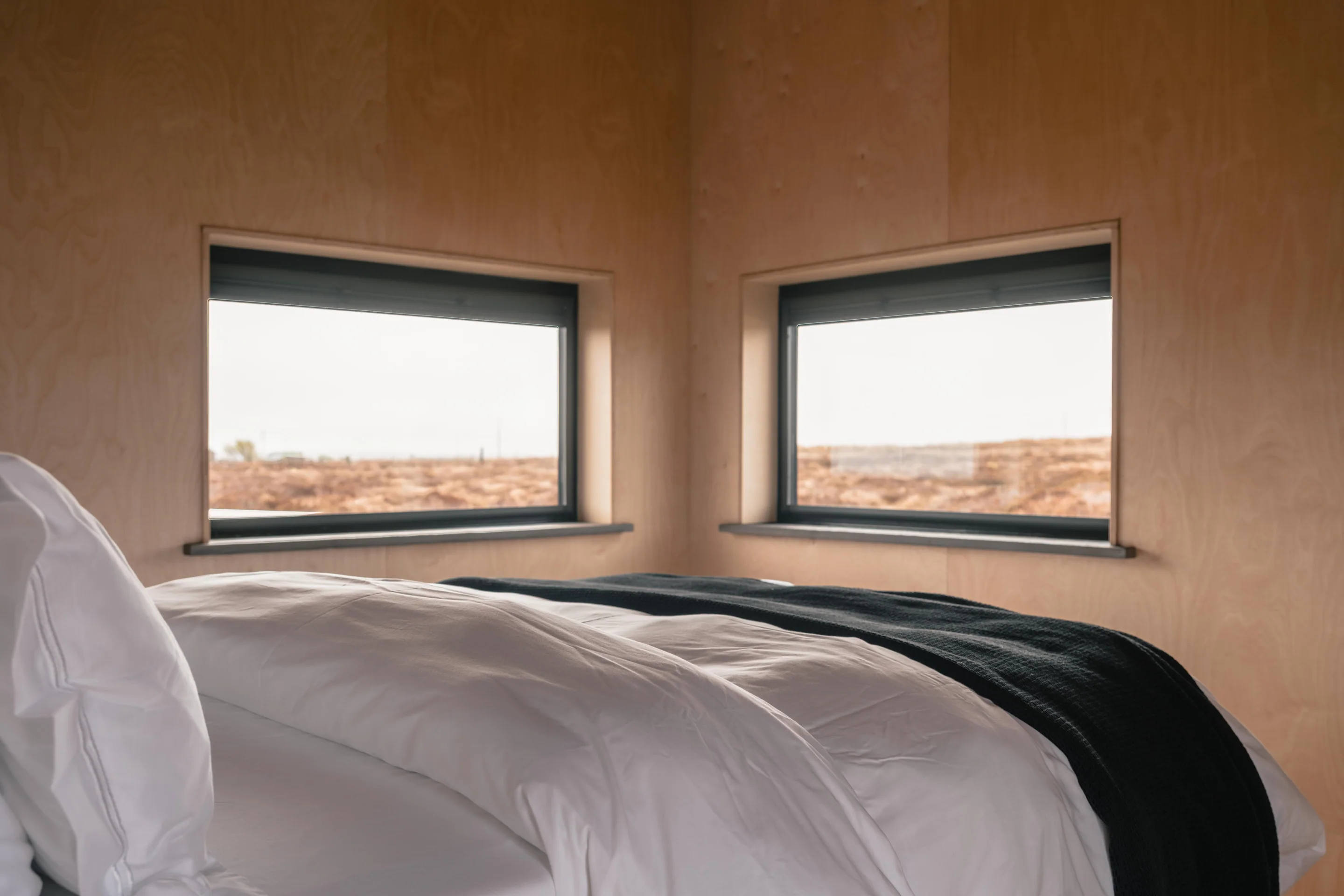
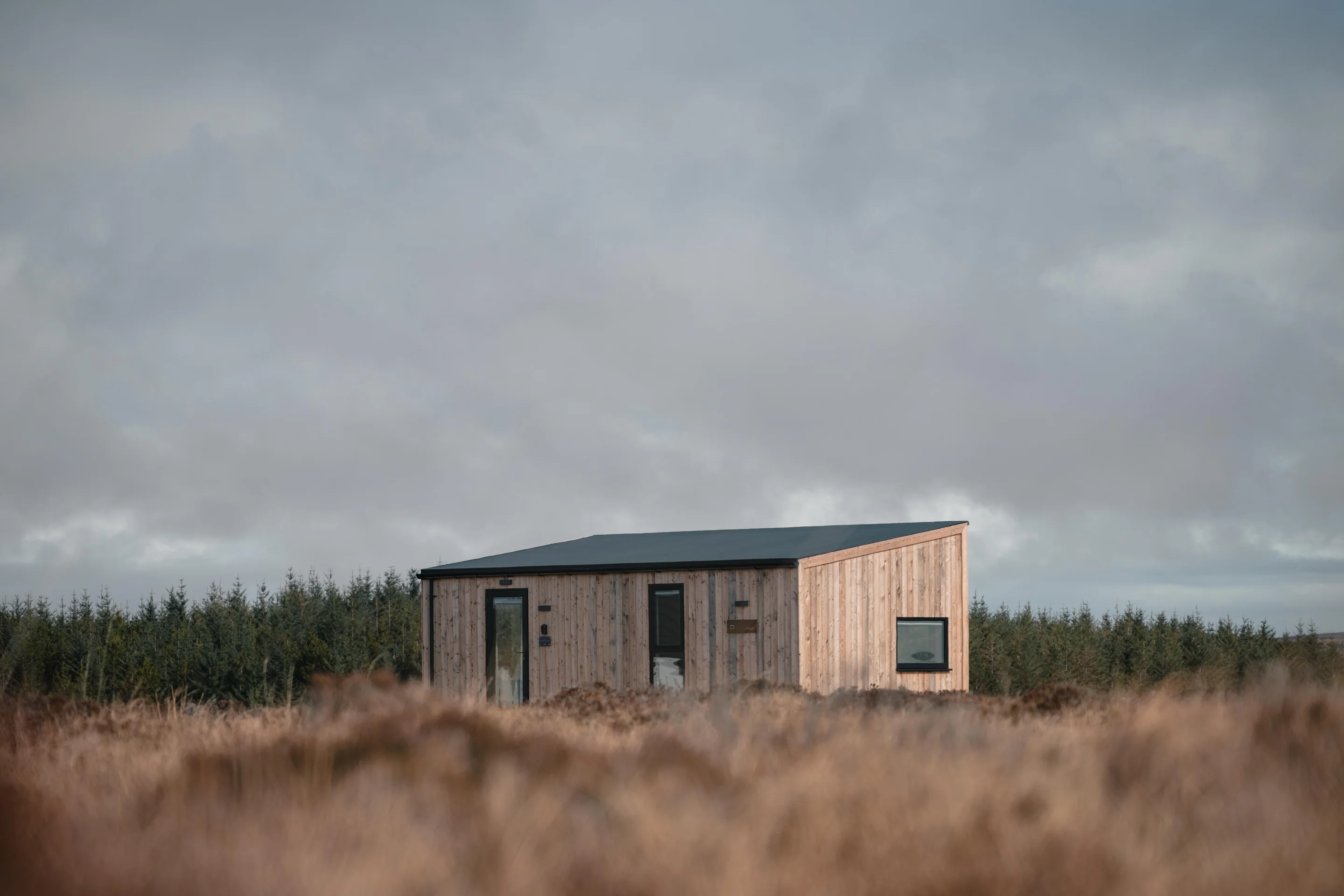
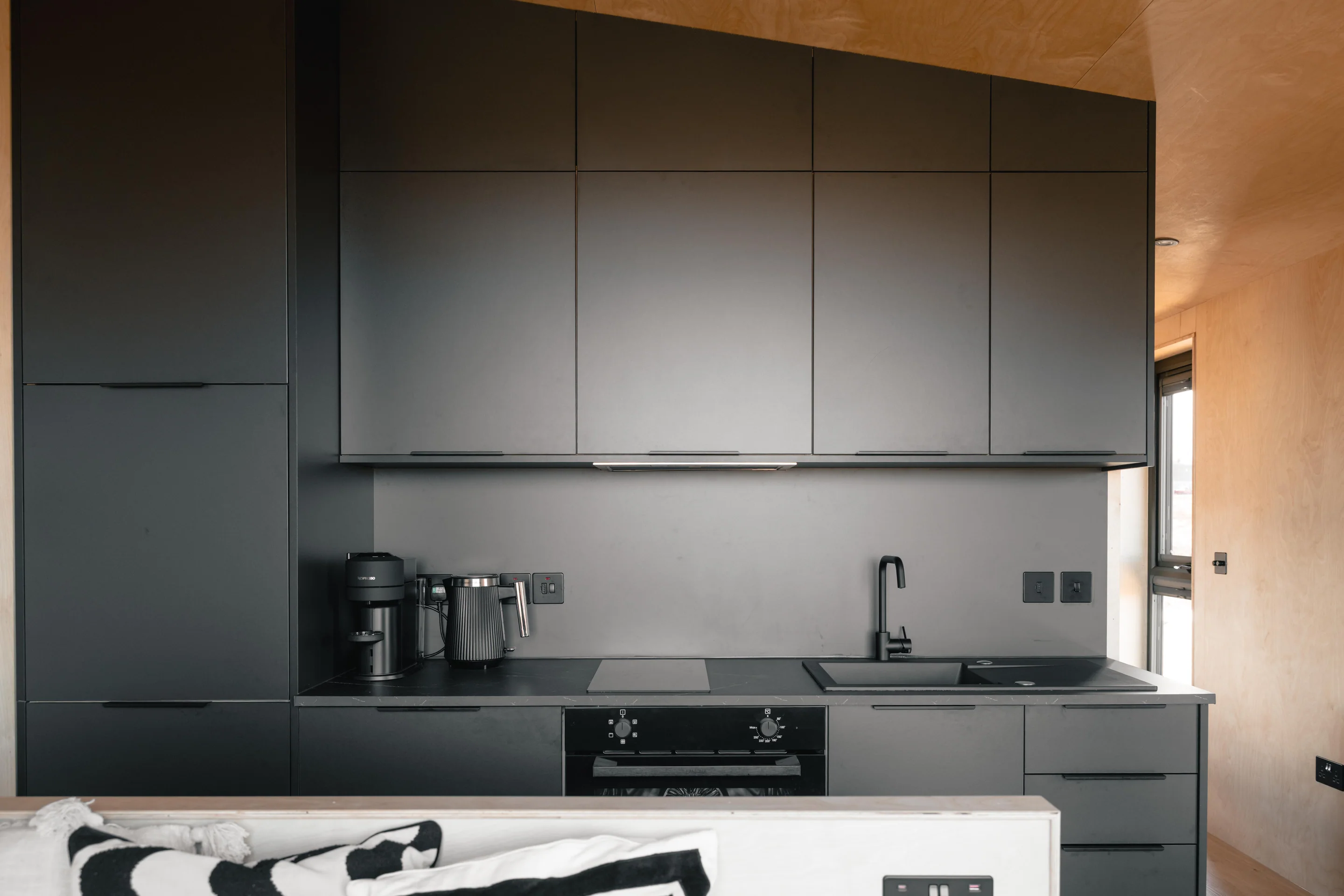
Beyond North's photography brief set one rule: this is not a summer-holiday brand. Matt Buckley shot the two cabins in Caithness to it in April 2026. What came back was low light, weather, timber, and the moor in every window.
The negative works because it rules things out. "Calm" or "premium" can be read a dozen ways. "Not a summer holiday" tells the photographer to stop waiting for blue sky, and that rules out most stock images in one line. A photographer will default to the most flattering conditions unless the brief says otherwise.
Give the brief a name the whole crew can repeat. Beyond North's was "Calm in the wild". Three words are easier to carry onto a moor at dusk than three pages.
Name the conditions, not just the look
Outdoor brands sell what happens in weather, so the brief should say which weather. Sometimes that means waiting for it. Sometimes it means working with whatever arrives.
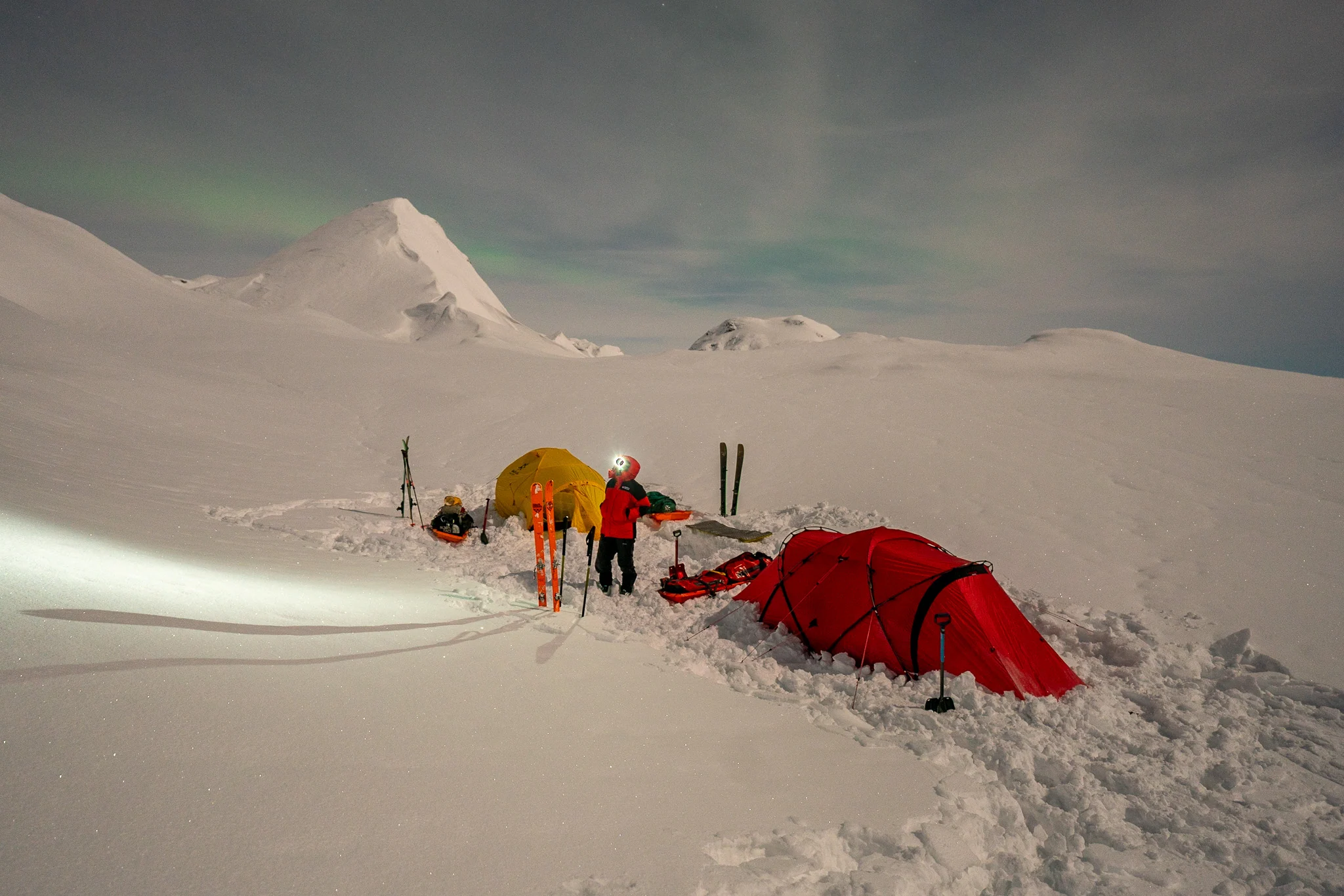
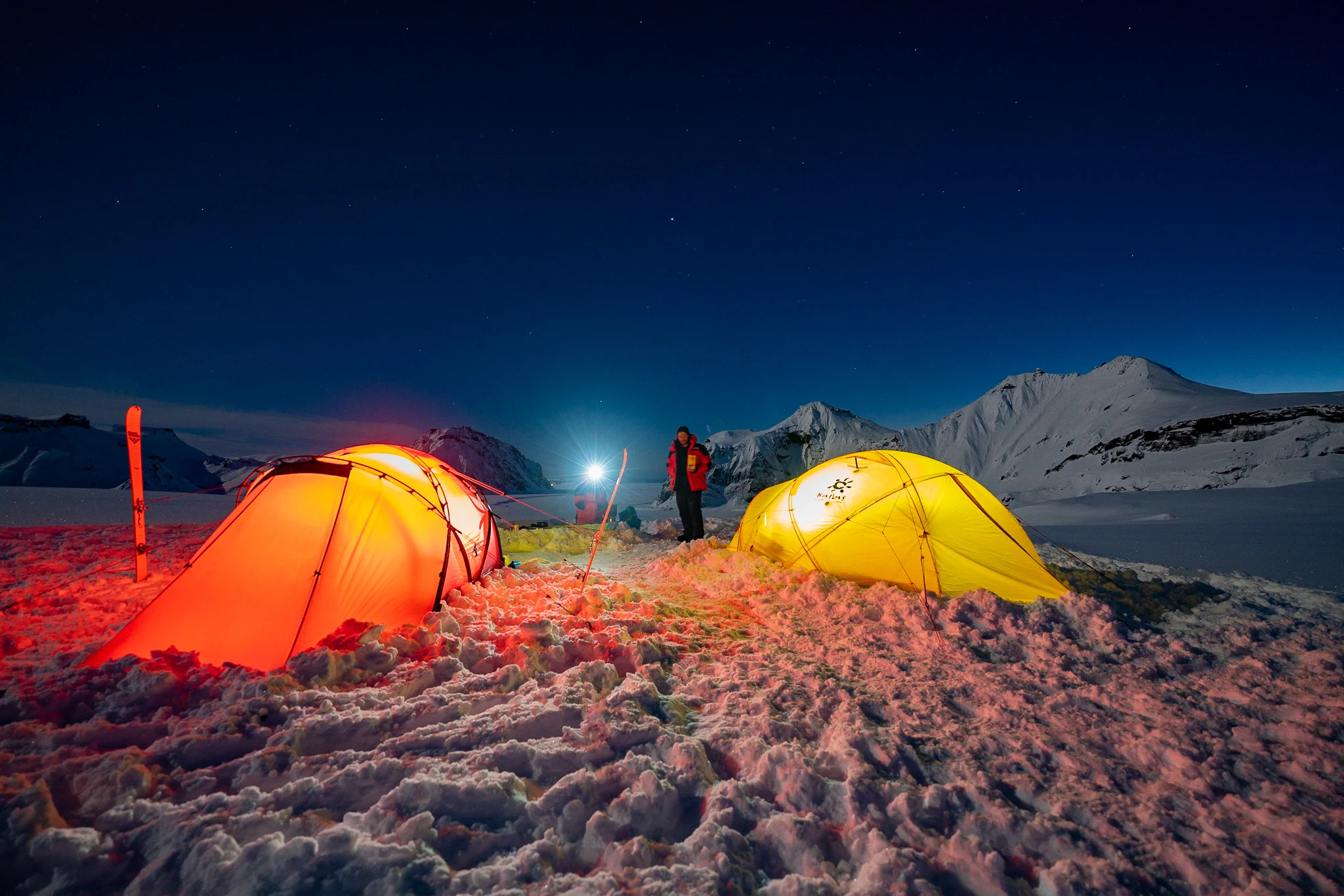
In Iceland's Highlands, winter days are short, so shooting for 66°North's In Search of Winter carried on after dark by head torch. The nights became part of the story. On Shackleton's Made to Move shoot, the hottest May day on record meant the schedule followed the sun, from Bristly Ridge at sunrise to Anglesey at golden hour.
Write down the light you want (dusk, first light, flat grey), the weather you'll accept, and what happens if it doesn't come. A spare day costs less than a reshoot.
Decide which colour carries the brand
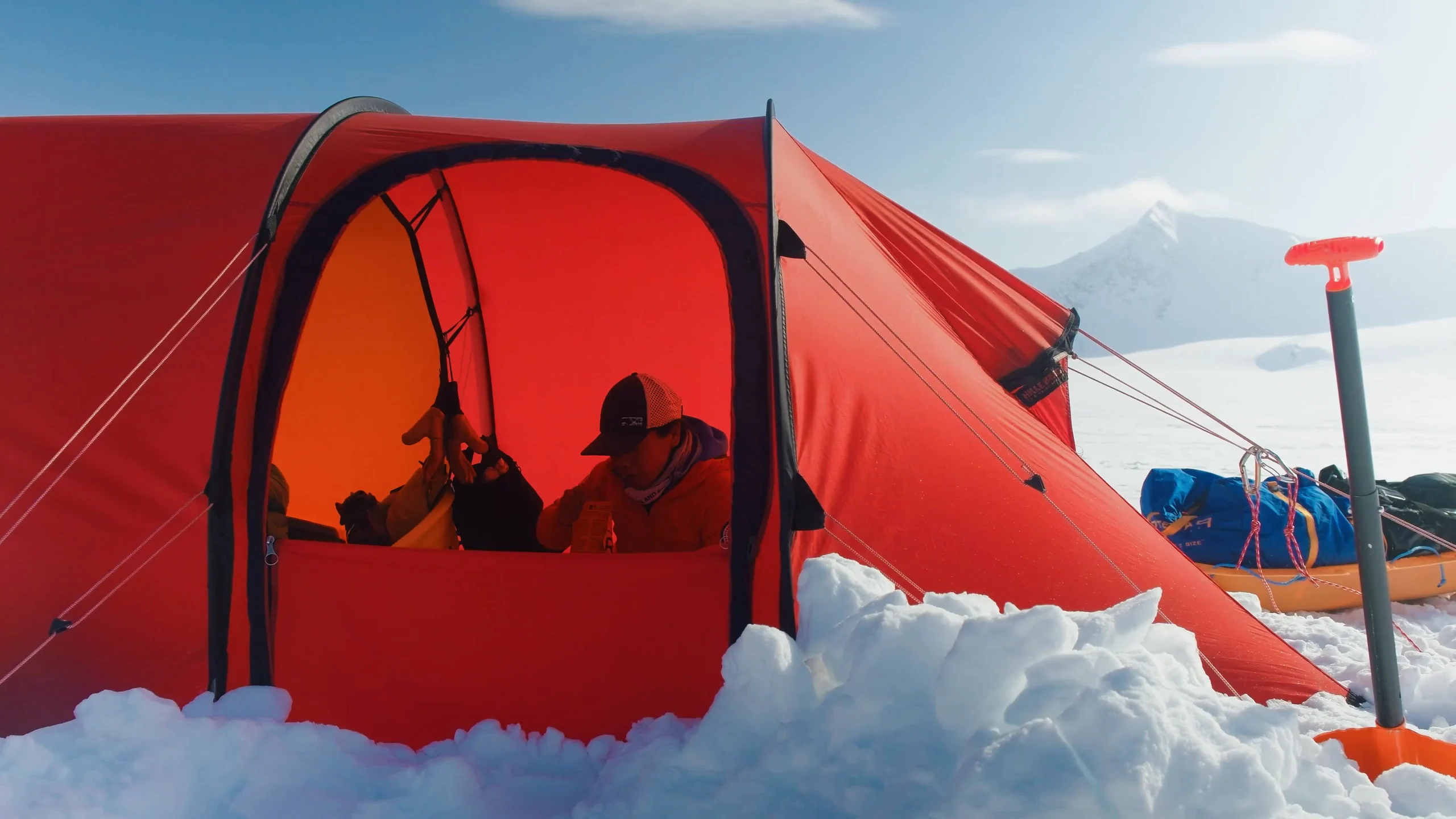
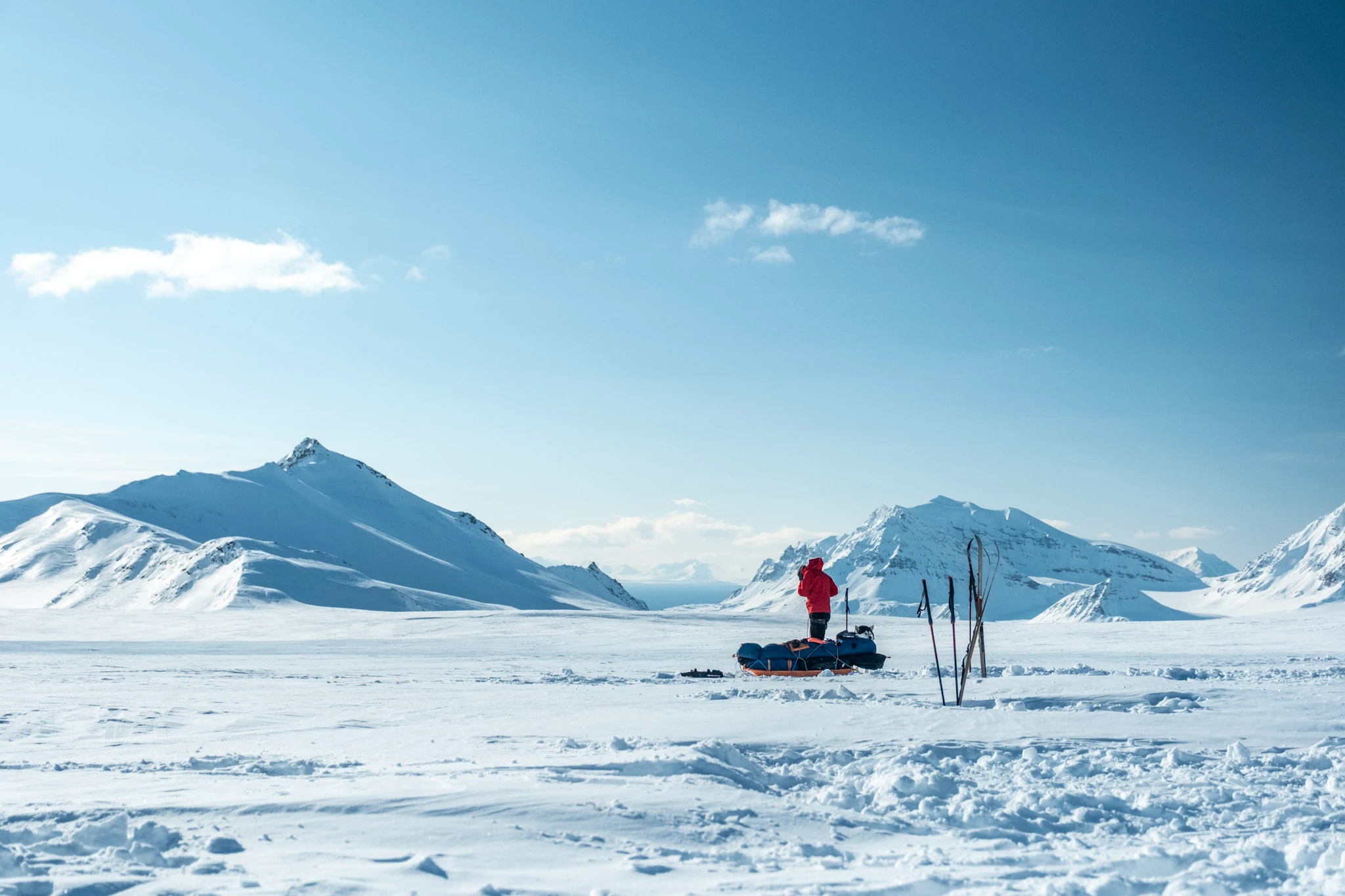
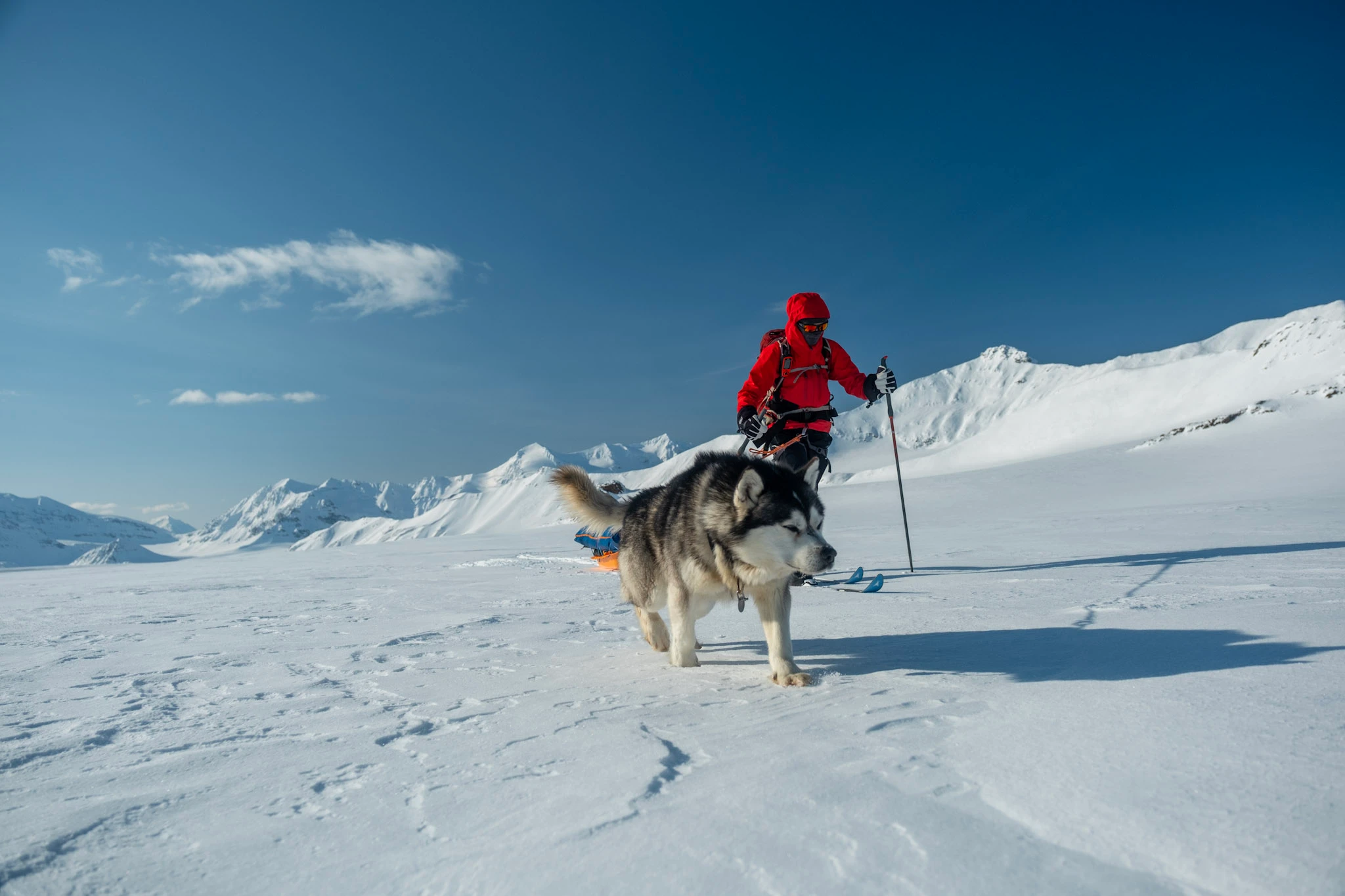
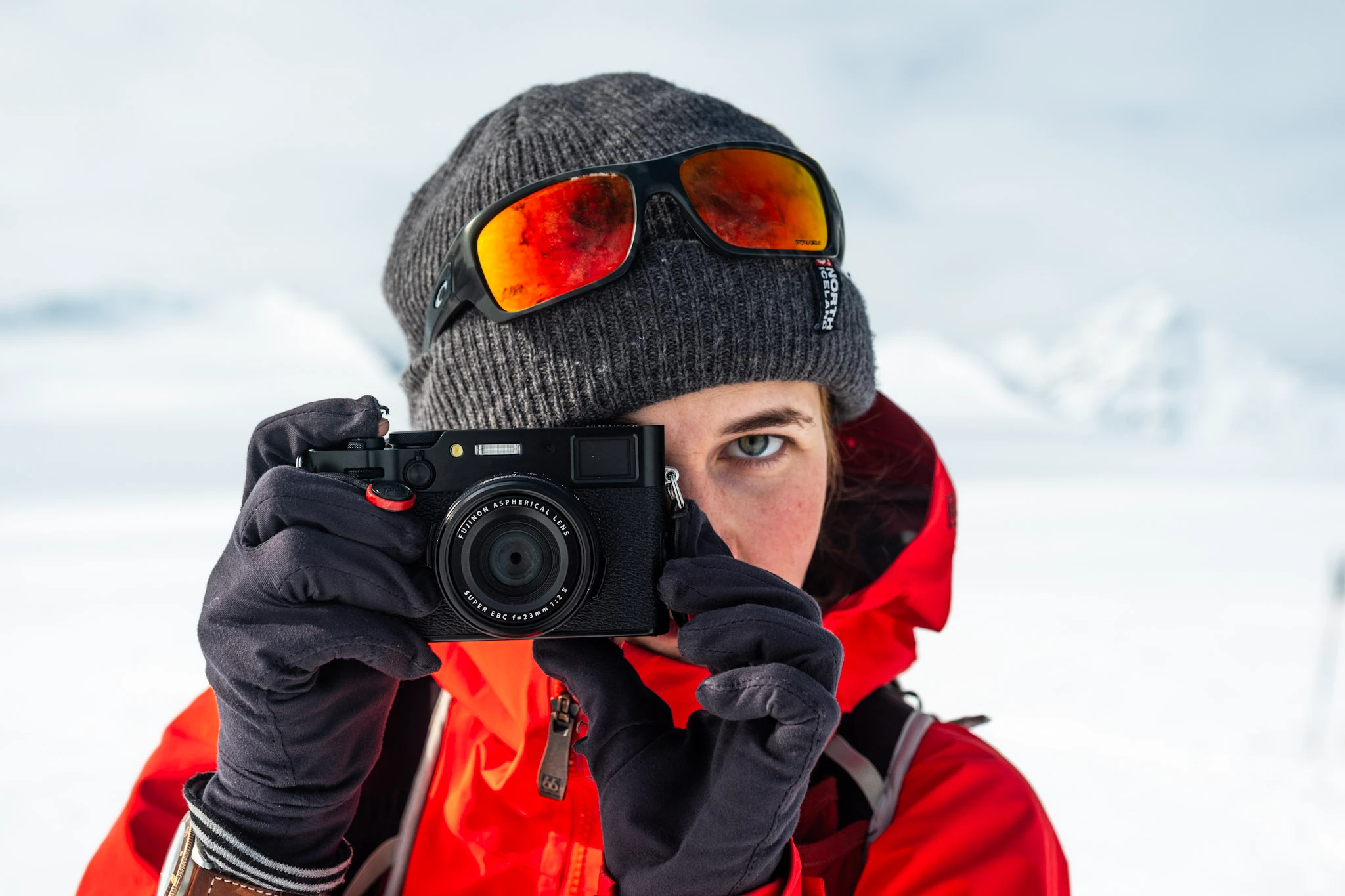
In a white landscape, one colour does a lot of work. On Svalbard, Lucy Shepherd's red 66°North shells are often the only colour in the frame of True North. That reads as the brand at any size, from a cinema screen to a phone.
If the product has a signature colour, say so in the brief and say where you want it: in the frame, against the landscape, never lost in it. If the brand is a place rather than a product, name the materials instead. Beyond North's palette is named for its surroundings (Foyle Green, Haar Midnight, Storm Crest, Machair Drift), and the photographs share it.
Write a shot list the business will use
A shot list that reads like a mood board produces mood-board pictures. Tie every frame to a place it will be used: a homepage, a page per room or product, a booking page, a social post.
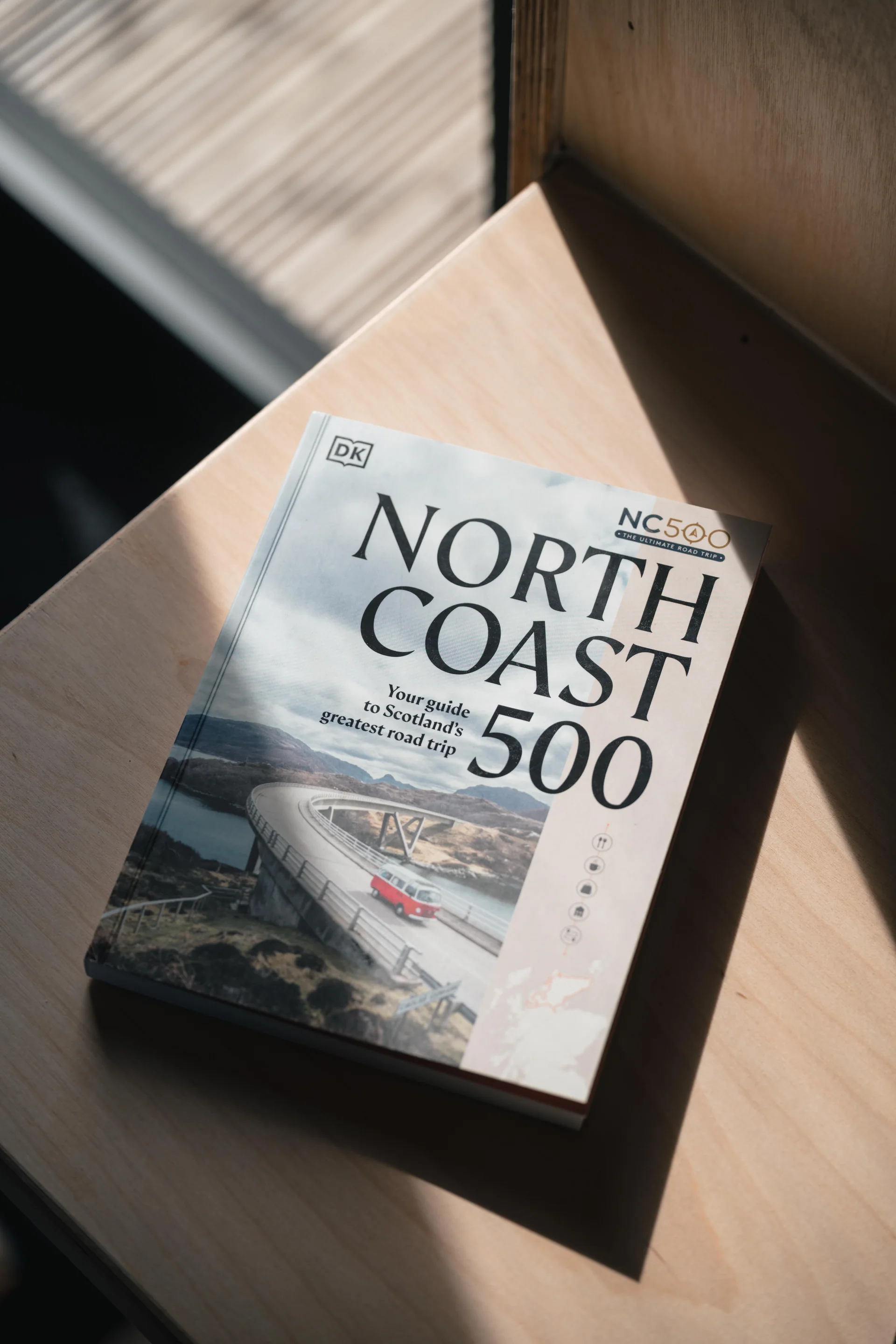
Look at what came back from Beyond North and you can see the website in it. A dusk exterior with the lamps lit, for the homepage. A bed facing two windows onto the moor, for each cabin page. A mug beside a North Coast 500 guide, which tells a guest where they are without a caption. The Haar name plate on weathered cladding. An aerial for the location.
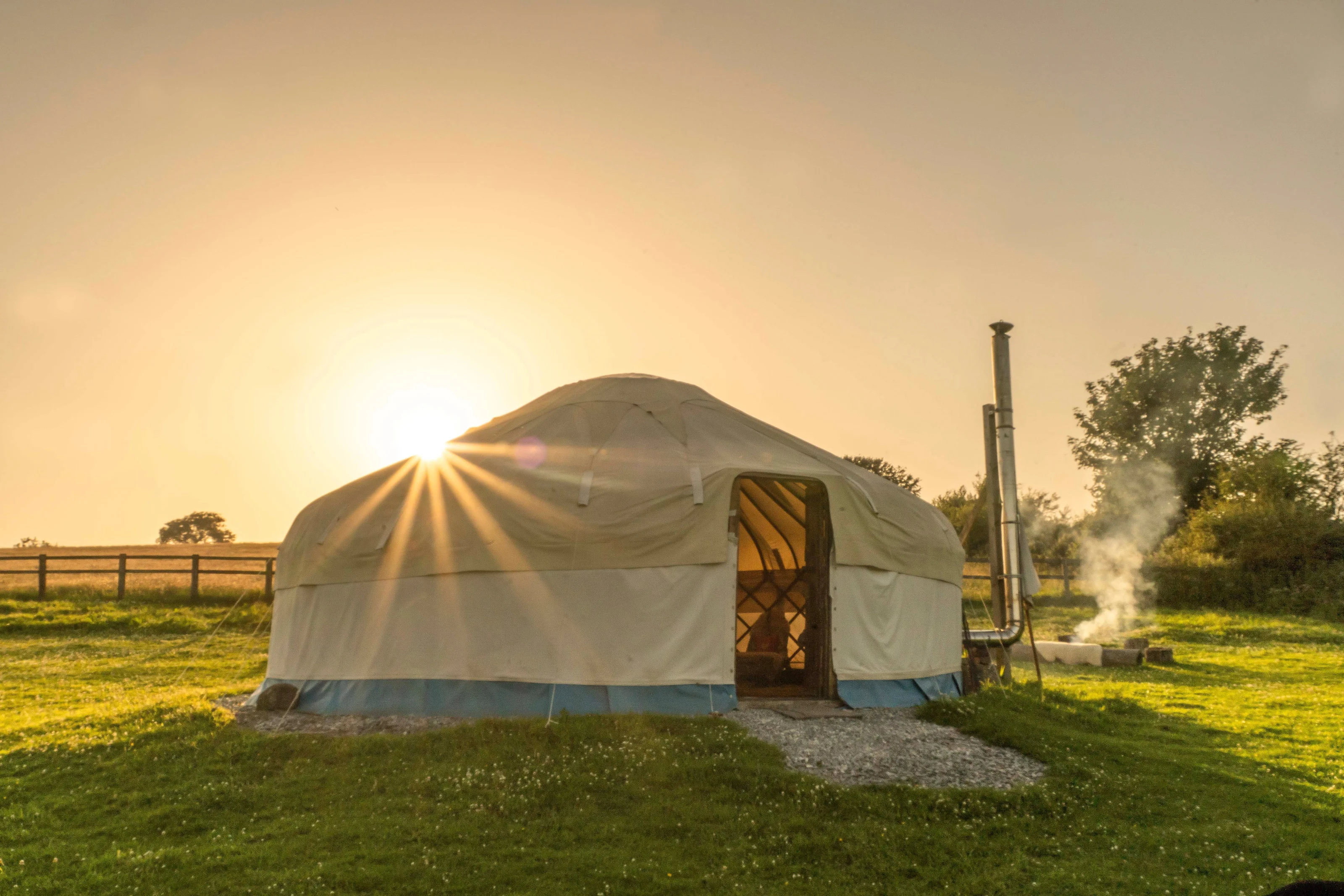
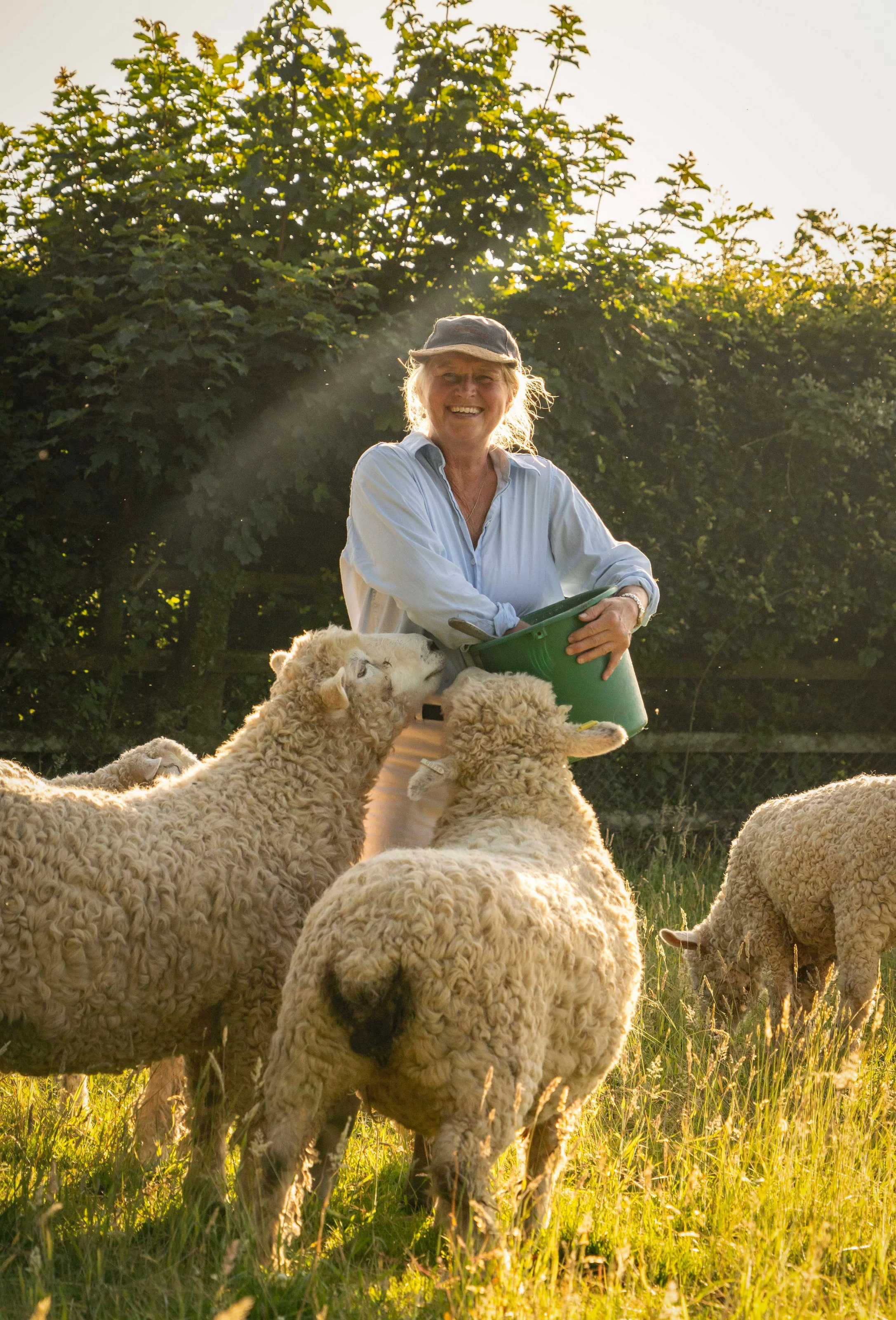
Borough Farm's frames do the same job for a working farm: feeding the sheep, the sauna's round window onto the fields, the yurt from the air at sunrise.
Say where the pictures will live, and at what shape
The same frame has to survive many crops: a wide website hero, a portrait phone screen, a square post and a vertical reel. On this site, case study heroes run at 2.25:1 and homepage tiles at both landscape and 4:5 portrait. Our briefs ask for room around the subject, so every crop still works and the design has space for type and layout.
Ask for verticals as well as horizontals, and space for a headline where one will sit. If films and stills are both needed, say so. On True North and in Morocco for Shackleton × Defender, the same small crew shot both.
Plan the library, not just the hero
A remote shoot is expensive to repeat, so plan everything the client will need from the same days. True North came back as more than 5,000 images, a curated selects set, a black-and-white series, reels, drone footage and raw clips for 66°North's social team. In Search of Winter produced more than 30 photographs and 10 reels. Three days in Morocco produced 370 edited stills.
In the brief, agree three things: the full set you'll receive, the selects you'll actually use, and the edit style. Agree how each will be delivered and named.
Real people, and permission
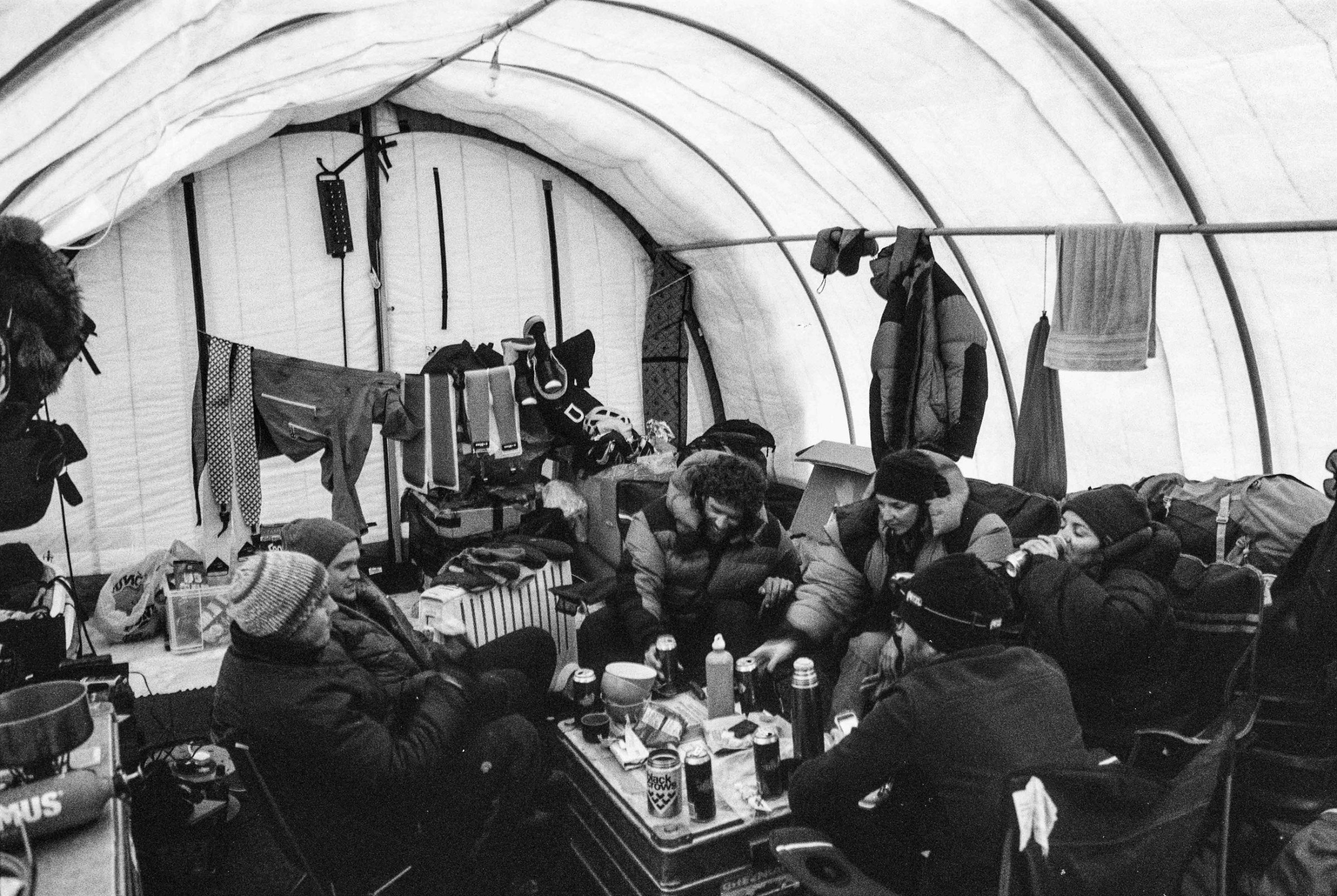
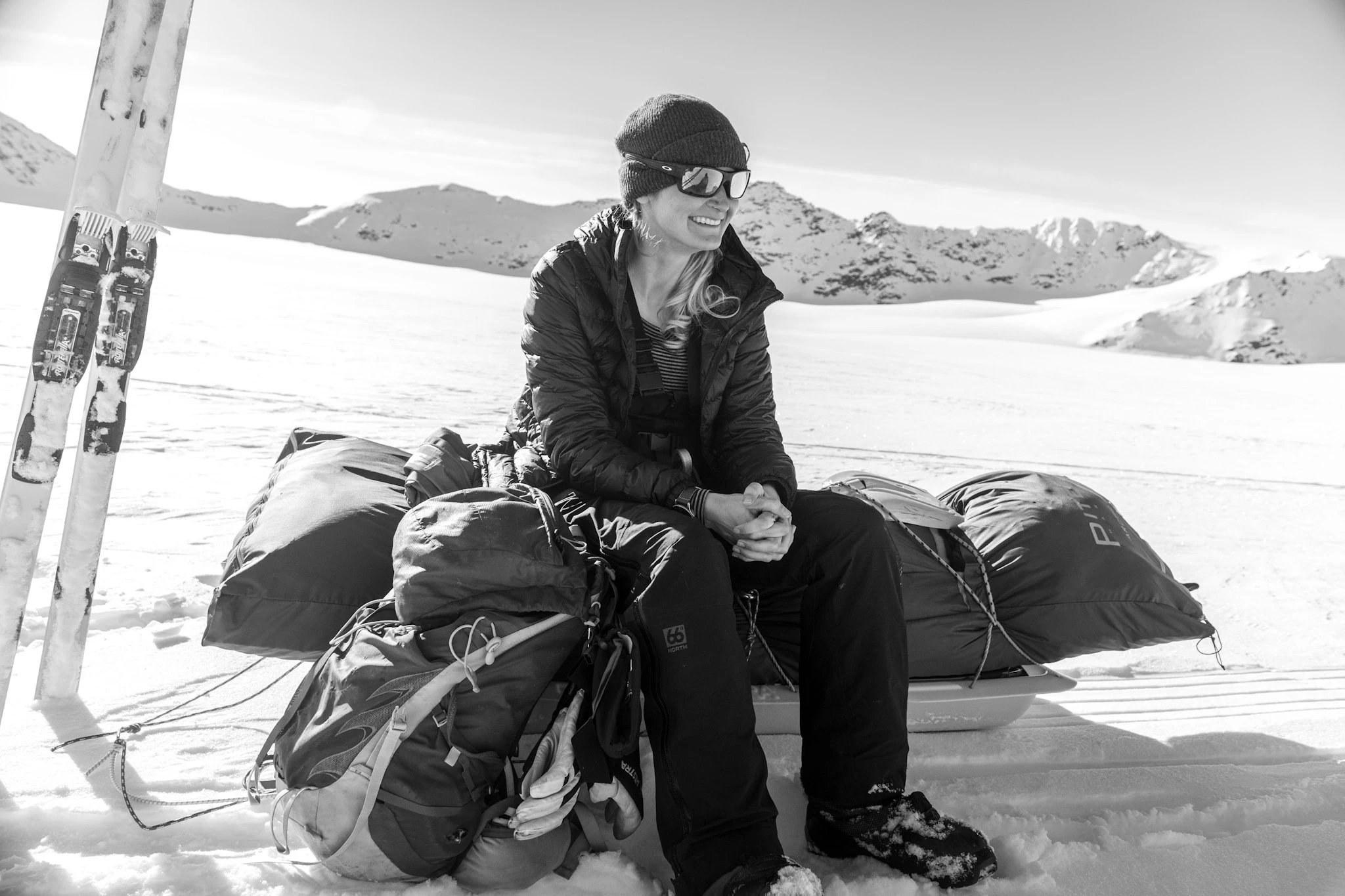
Most people in outdoor pictures aren't models. On Svalbard, the expedition belonged to its guests. They had paid to ski, not to appear in a film, so the camera worked around the group rather than through it, and the guests got photographs to keep.
The brief should say who may appear, who has agreed, and how the images will be used. Where people can be identified, get written releases. Where talent is paid, agree how long the images can be used for: a usage window that runs out quietly is easy to miss. We're not lawyers, so take advice on the wording.
Rights and credit, in writing
Agree where the images can be used, for how long, and who owns the raw files. Then credit the photographer by name. Our case studies do: Matt Buckley for Beyond North, Toby Roney for Borough Farm, Whitney Kamman Photography for Glo. It costs nothing, and it is how good photographers find good clients.
A one-page brief
- Name and one line. "Calm in the wild."
- What we are not. One sentence that rules things out.
- Conditions. Light, weather, time of day, and the fallback.
- Colour and materials. What must read in every frame.
- Shot list by use. Each frame tied to a page, a product or a post.
- Shapes and formats. Horizontal, vertical, 4:5, room for type, stills and film.
- Deliverables. Full set, selects, edit style, naming, delivery date.
- People. Who appears, consent and releases.
- Usage and credit. Where, how long, ownership, credit line.
- Logistics. Dates, spare day, access, who looks after whom.
Questions people ask
How long should a photography brief be?
One page, two at most. If it needs more, the idea isn't clear yet.
Should the brief include reference images?
A few, chosen for what they rule out as much as for what they show. Mark what to take from each one: the light, the framing, the colour.
Can one shoot cover stills and film?
Yes, if the crew is built for it. On True North and in Morocco, everyone shot both. Plan it in the brief, or the film is shot around the stills or the other way round.
Do I need a photographer who knows the outdoors?
For anything remote, yes. On Svalbard, temperatures fell to −40°C and the crew took turns on polar bear watch. The photographer has to look after themselves before they can look after the pictures.
Who owns the photographs?
Whoever the contract says. Agree it before the shoot, with usage and credit.
Mentioned: Beyond North, 66°North True North, 66°North In Search of Winter, Borough Farm, Glo Fenestration, Shackleton Made to Move. More from the field: Notes on Field Production.
Filed under Notes · Written by Charlie
Planning a shoot?
Tell us what the pictures have to do and where they'll live. We'll help you write the brief, or shoot it.
Charlie reads every brief and replies himself