Brand identity that starts with the problem, not the logo.
A name that says the wrong thing. An identity that lags behind the work. A place most people drive past. We do positioning, naming, identity and guidelines for outdoor, hospitality and specialist businesses, and build the system so it still holds when your team uses it on their own.
Most brand problems aren't visual.
Glo's was its name. Beyond North's was a road most guests drive straight along. Polish Interior's was a brand less precise than its frames. We agree the problem in plain language first, then build the name, mark, type, colour and voice to answer it.
Fix the name before the mark.
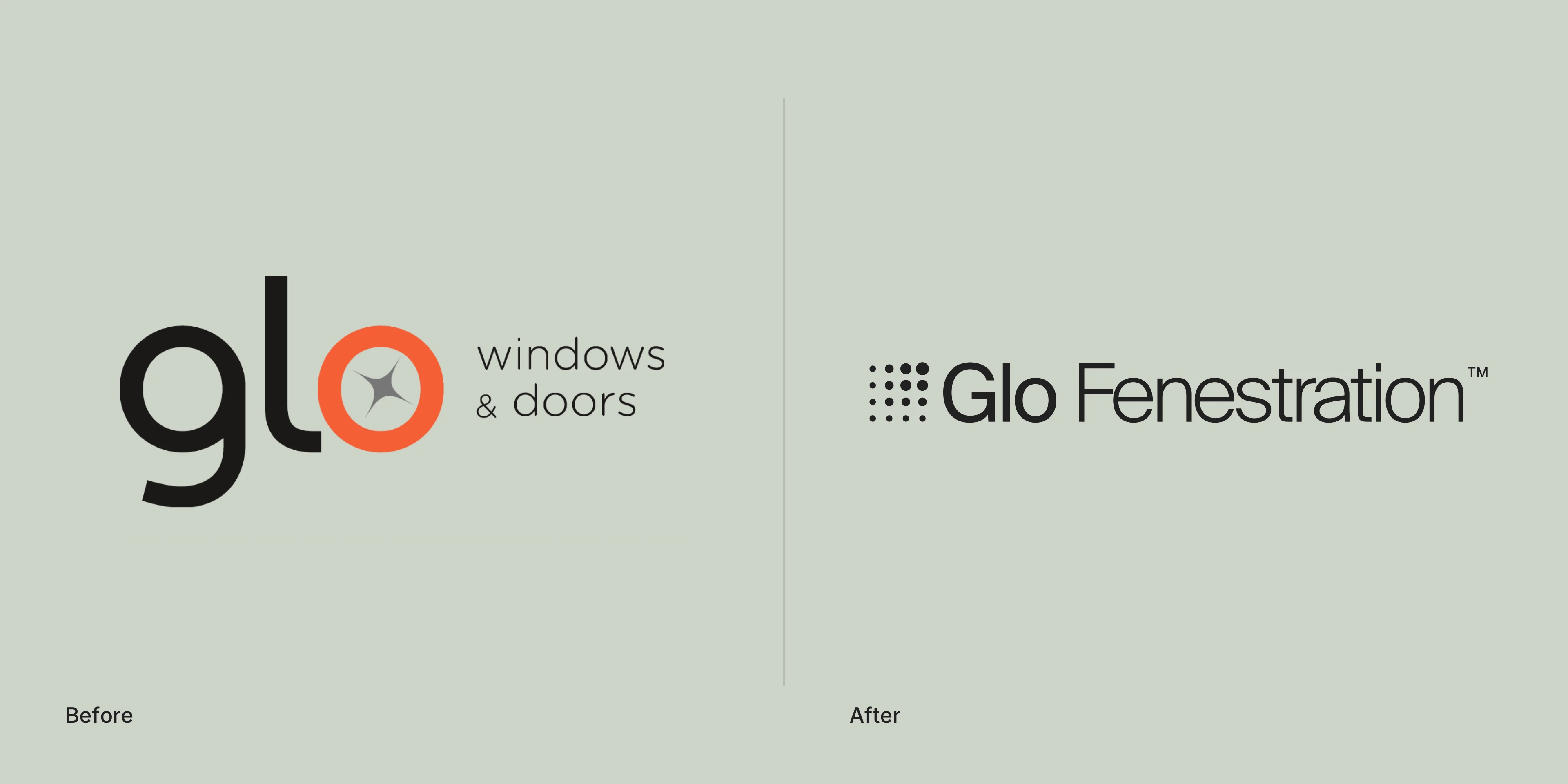
Glo Windows & Doors listed products, while the work was closer to a design studio's. No mark could fix that while the name said something else. Fenestration is the architect's word for every opening in a building, and it gave the identity something true to draw: six routes, 118 marks, one final mark.
Evolve what people recognise.
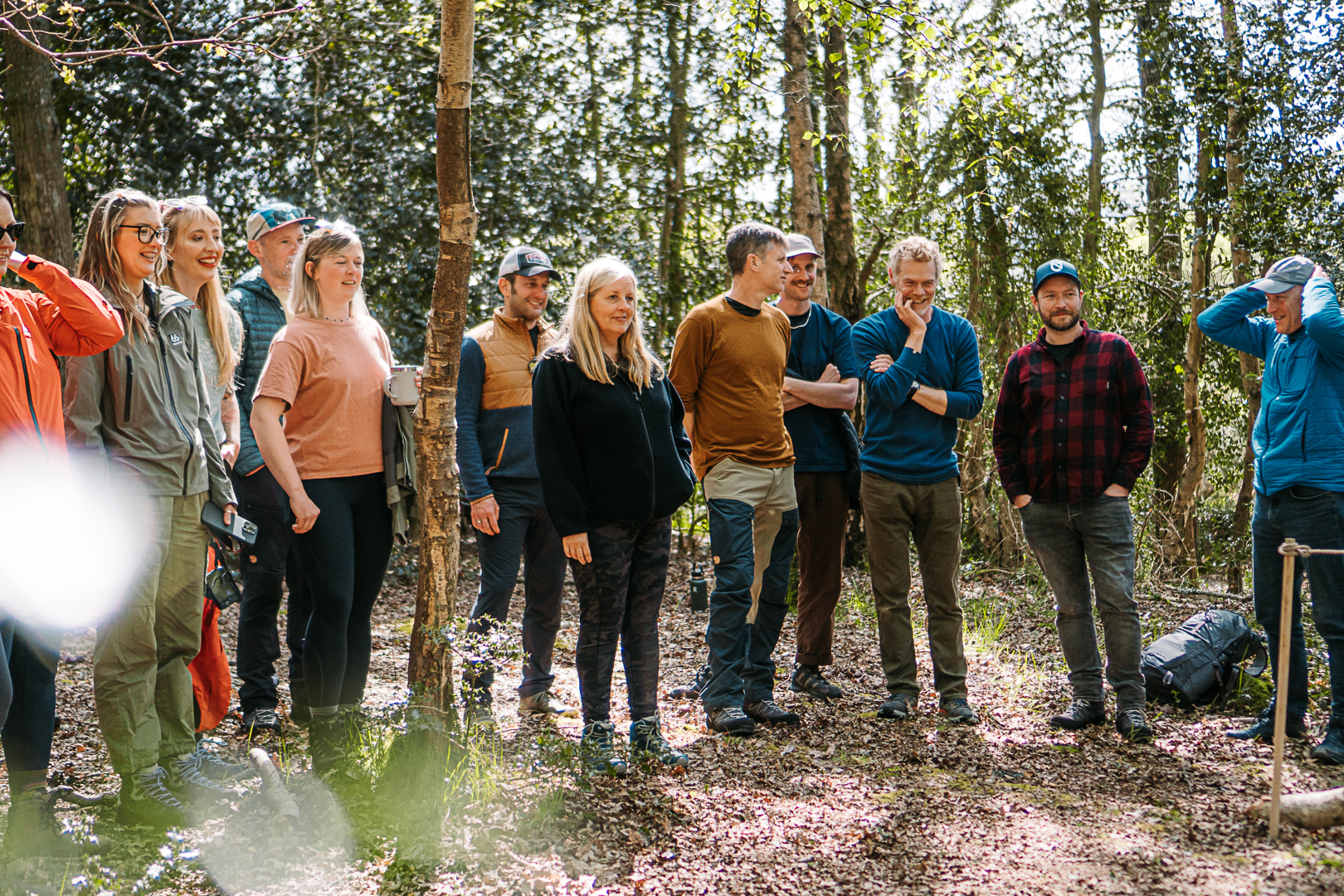
Spring PR had represented outdoor brands since 2000, and people knew its look. So the identity was modernised, not replaced: more than nine rounds of concepts, a trail motif, and a palette the whole team signed off before anything was built.
A system, not a logo.
A brand has to survive real use. Polish Interior's palette is named for its materials, from Zinc Patina to Corten Red, and the identity runs from a bilingual lockup to white-ink business cards and a product finder architects use without picking up the phone.
Who we build for.
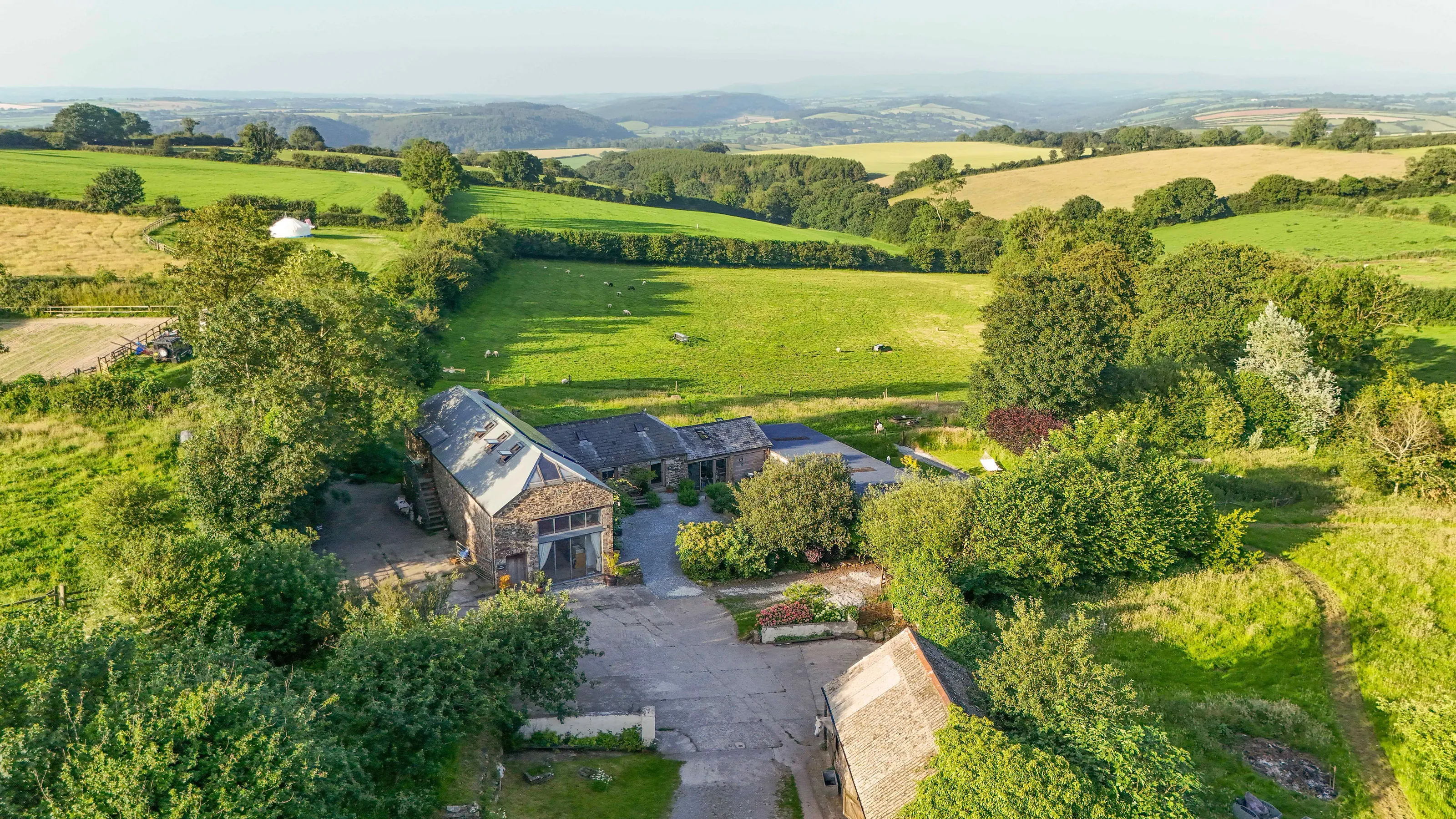
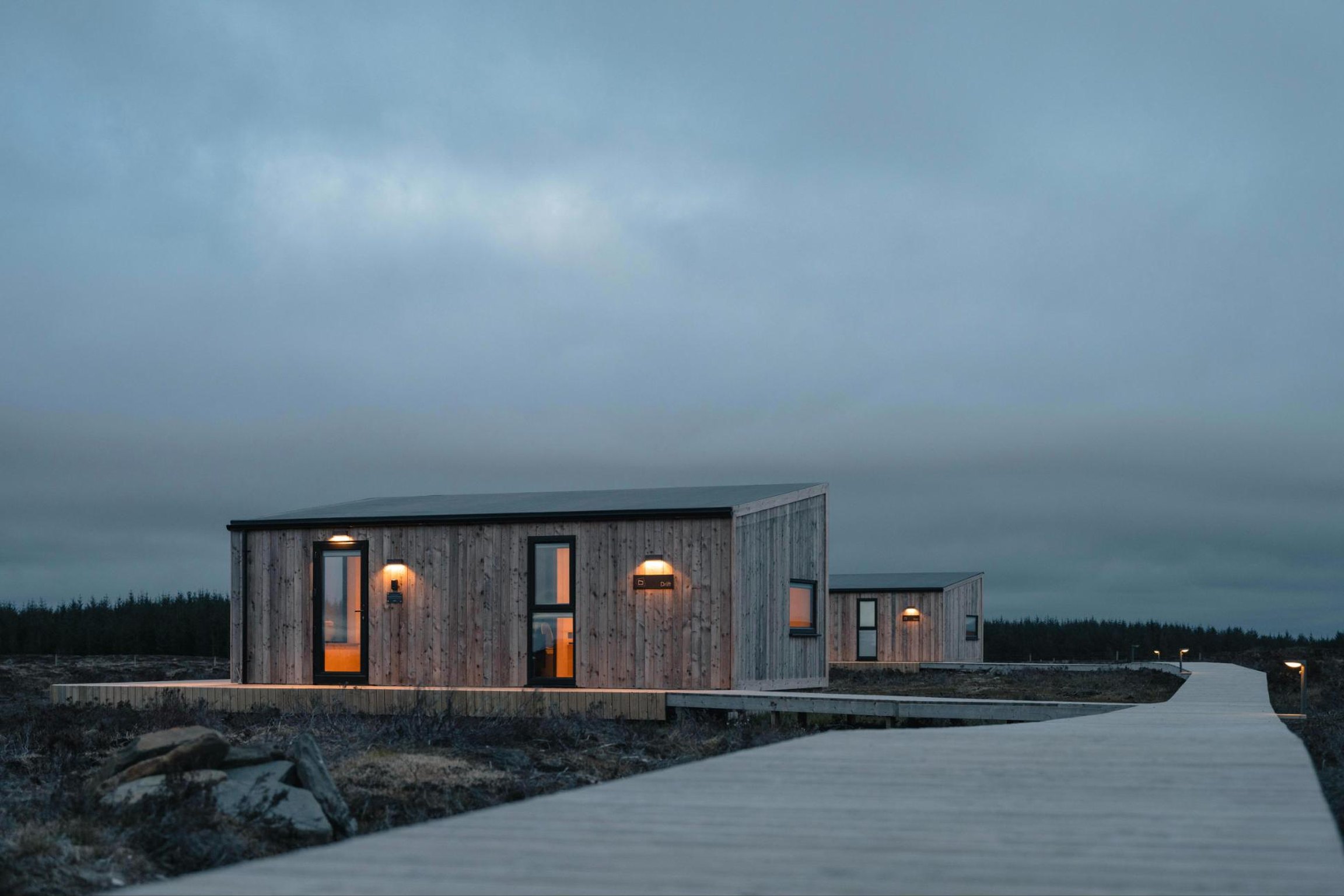
- Stays and hospitality. A name, a mark and a voice that give guests a reason to stop. Beyond North, Borough Farm, Trees at Tughall.
- Makers and specialists. Identities as precise as the work, for clients who buy on detail. Polish Interior, Glo Fenestration.
- Agencies and consultancies. Brands that have to look established from the first day. Spring PR, Alma Risk.
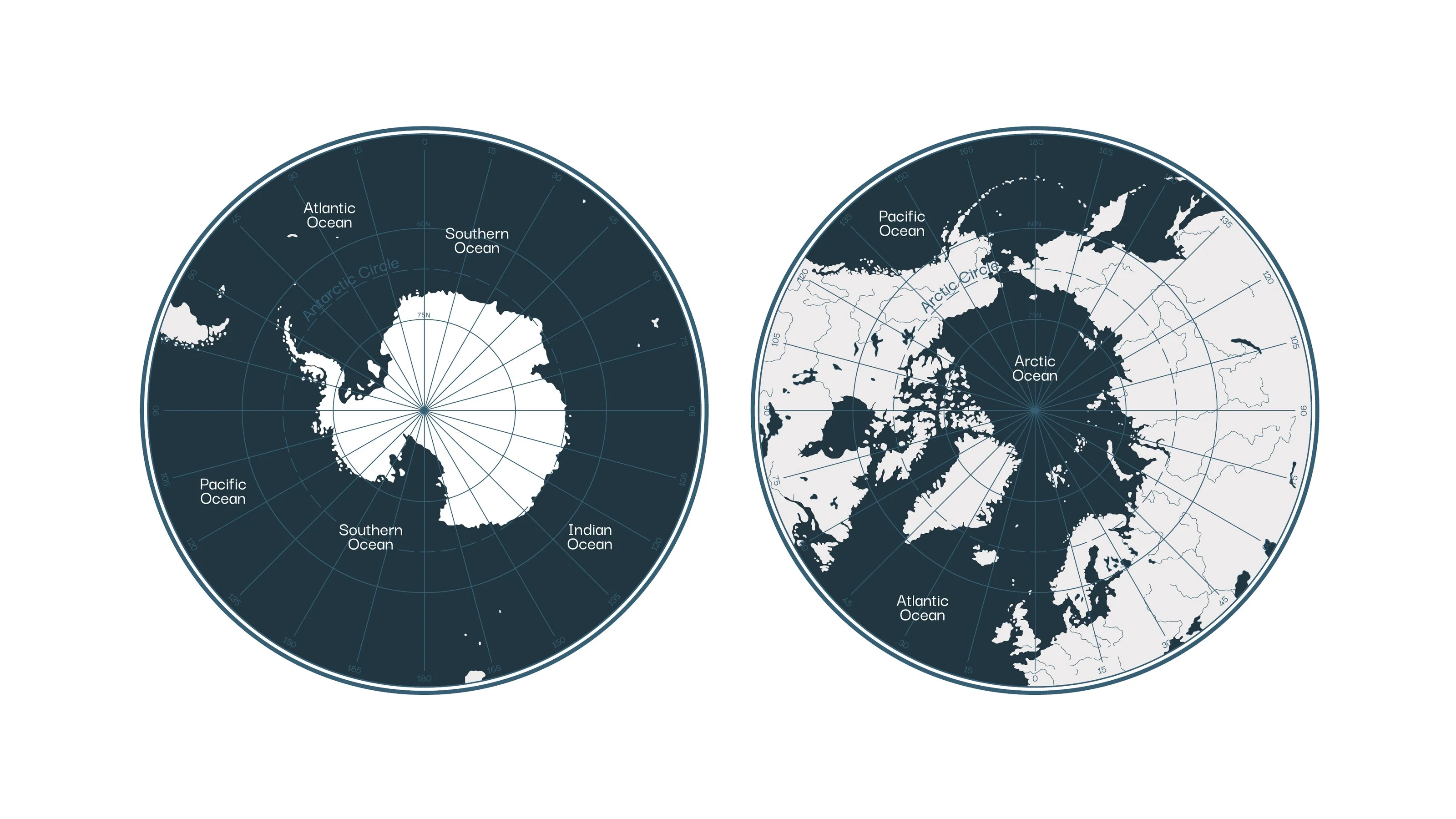
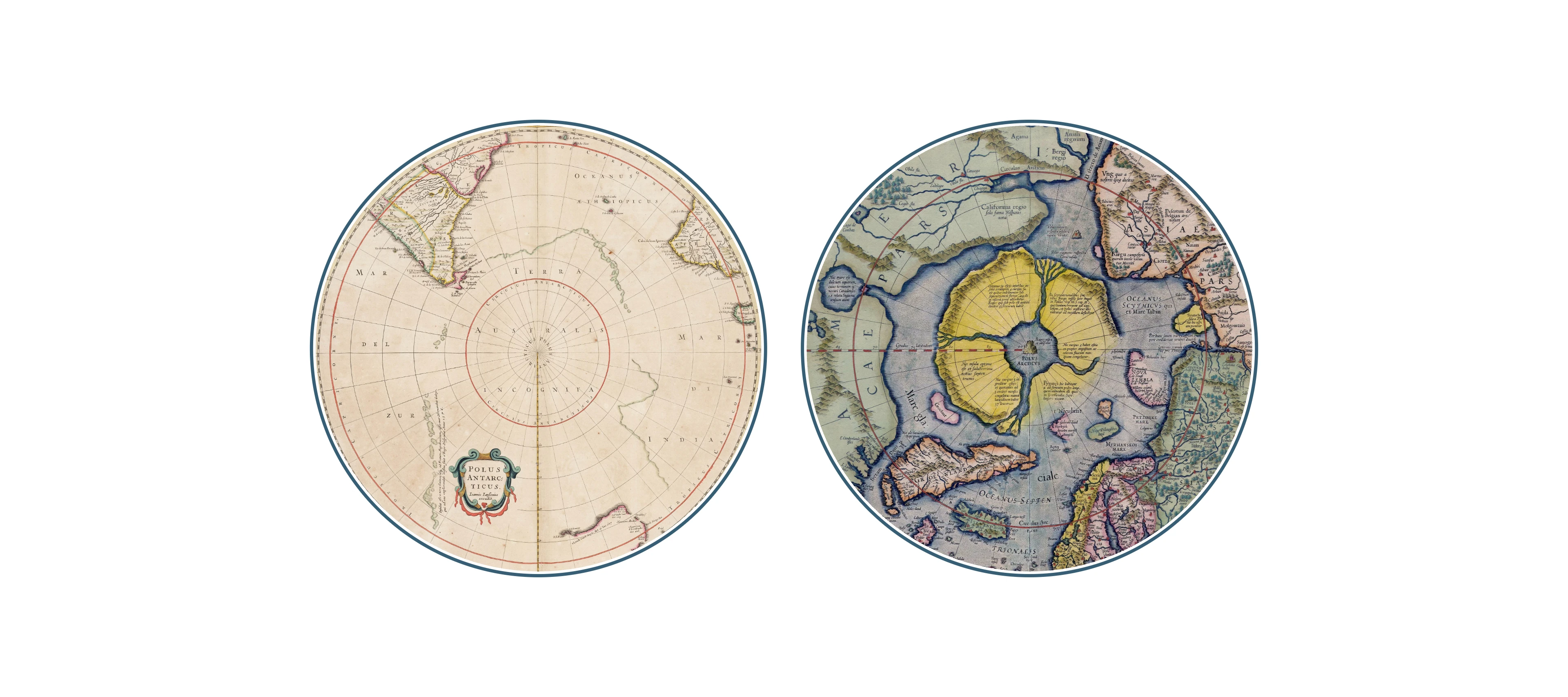
- Parliamentary and public groups. Marks that outlast a change of chair or a new Parliament. The APPG for the Polar Regions, PKF.
Positioning
- Research and insight
- Audience and positioning
- Brand architecture
(01)
Naming & voice
- Naming
- Messaging and tone of voice
- Brand statement
(02)
Identity
- Logo and marque
- Typography and colour
- Iconography and illustration
(03)
Guidelines & rollout
- Brand guidelines
- Templates and toolkits
- Print, signage and the website
(04)
Find the real problem
A workshop with the people who run the business, a look at what exists and what competitors do, and a plain statement of who the brand is for and what it has to say. Glo's started as an identity brief and ended with a new name.
Design the system
Routes, then rounds. Mark, type, colour and voice developed together and tested on real applications, not shown on a blank page. Glo went from six routes and 118 marks to one, over three rounds.
Put it to work
Guidelines, templates and the first real uses: the website, print, signage, the first campaign. Spring PR's team now publish their own case studies and press rooms on the system.
Selected work.
More brands we've built.
Evolution or a new start?
Most brands we're asked to fix don't need replacing. Spring PR and Polish Interior both kept their names and what people already recognised; the work was making everything else as considered as what they do. A full restart costs more recognition than people expect.
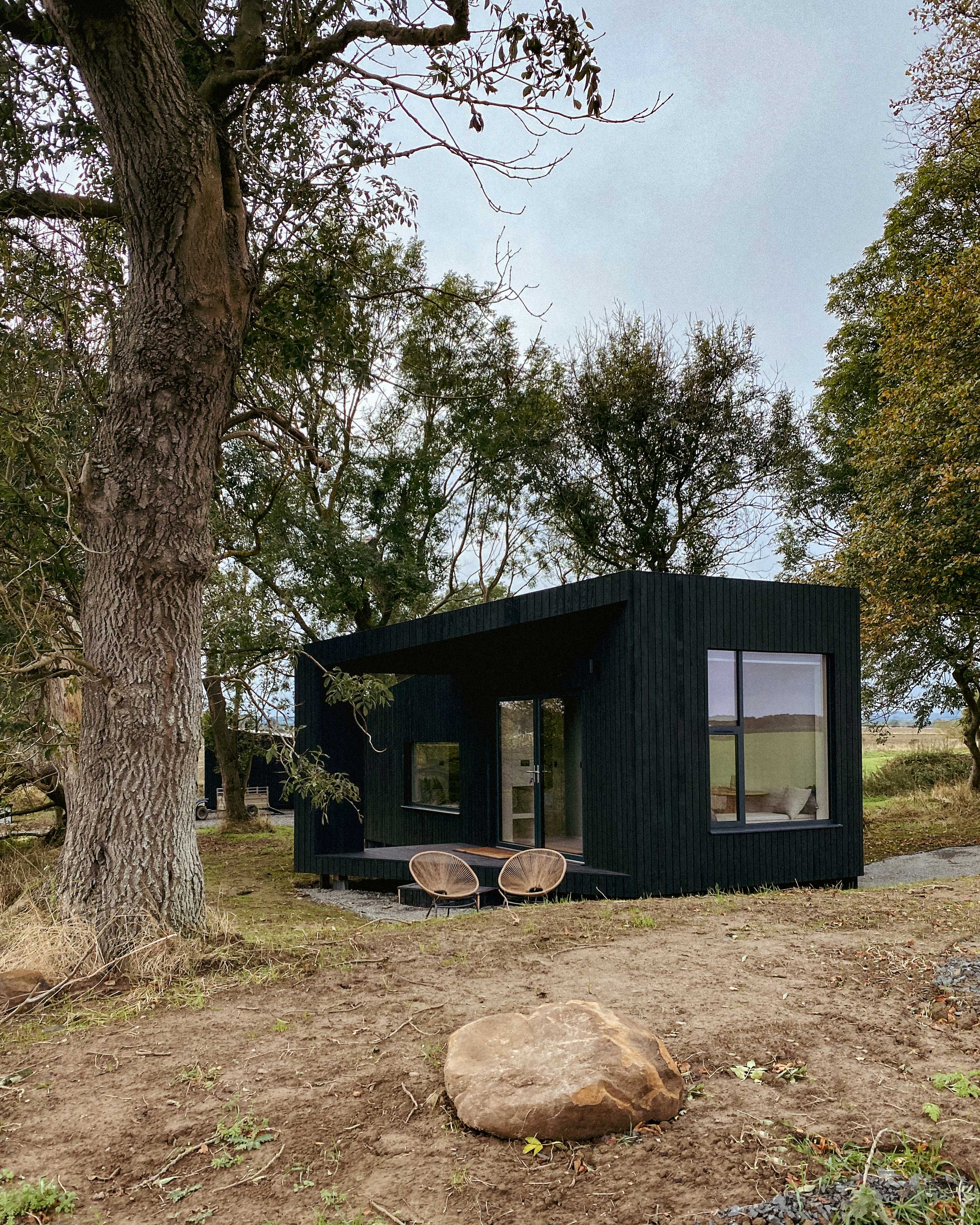
Sometimes the problem is bigger than the look. When the name says the wrong thing, as Glo Windows & Doors did, or the business has outgrown it, as Devon Yurt had before it became Borough Farm, a new one is the right answer. We'll tell you which we think you need, and why, before any design starts.
More in When the name is the problem.
Questions people ask.
What's the difference between a brand and a logo?
The logo is one part of it. A brand is the positioning, name, voice, mark, type, colour and imagery working together, and the guidelines that keep them that way. Glo's 70-page brand guide covers logo, type, colour, tone of voice, iconography and imagery.
Do we need a full rebrand?
Often not. Spring PR and Polish Interior both evolved their identities and kept what people recognised. A new name or a fresh start makes sense when the old one says the wrong thing about the business.
Can you help us rename the business?
Yes. Naming starts from the positioning, not a list of words. We named Glo Fenestration, Beyond North and its two cabins, and Borough Farm. Check trademarks with a solicitor before you commit to a name.
How many rounds of design are there?
The proposal sets it out. Our standard terms include two rounds of revisions within an agreed direction, and identity projects usually explore several routes before that. Glo's went from six routes to one over three rounds.
What do we get at the end?
The final mark in every lockup and format, colour and type specifications, guidelines, and templates for the things your team makes most. Polish Interior's included a guideline booklet, business cards and a print and digital catalogue.
Do you do the website as well?
Usually. Most of our brand projects carry straight into the website, so the identity is designed with the site in mind. See Digital Systems.
Do you work with brands outside the UK?
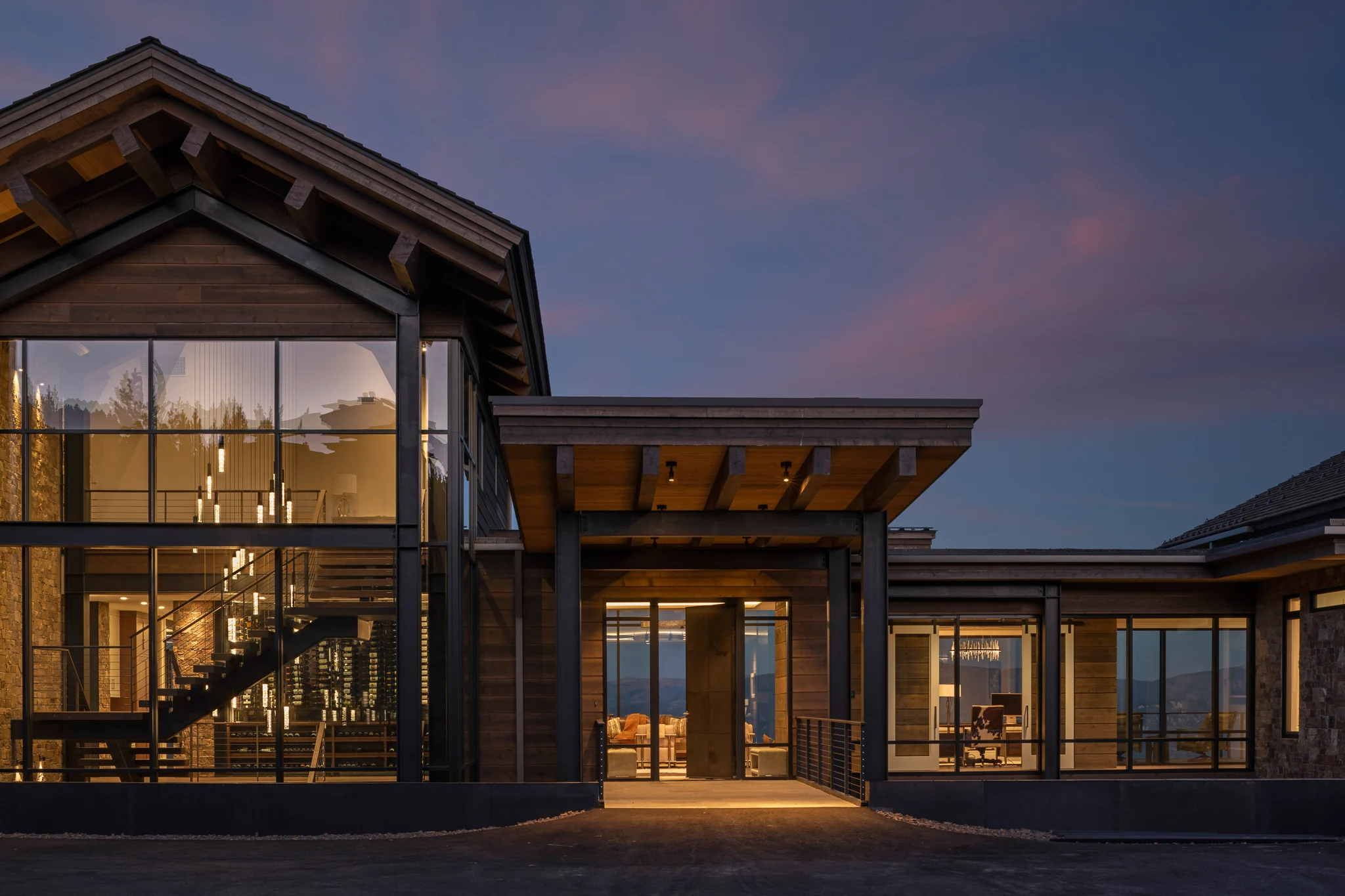
Yes: Glo in the American West, Polish Interior from its workshop in Kraków, and a ski lodge in Norway's Lofoten Islands.
Is the brand holding you back?
Tell us what the business does, who it's for and where the brand gets in the way. We'll say whether it needs an evolution or a new start.
Charlie reads every brief and replies himself